Ankara tourismAnkara historyAnıtkabirCentral AnatoliaTurkish Republic

Ankara: The Heart of Turkey and Its Rich Historical Legacy

Ankara: Exploring the Heart of Turkey Often referred to as the Heart of Turkey (*Türkiye'nin Kalbi*), Ankara is a city where ancient history meets modern political power. As the capital a...

Ankara: Exploring the Heart of Turkey

Often referred to as the Heart of Turkey (*Türkiye'nin Kalbi*), Ankara is a city where ancient history meets modern political power. As the capital and metropolitan municipality of the Republic of Turkey, it serves as the nation's administrative center and its second-largest city. From the echoes of Roman roads to the soaring heights of modern skyscrapers, Ankara offers a diverse tapestry of culture, history, and urban life.
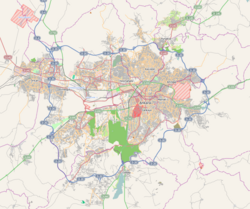
Ankara metropolitan area
: Ankara metropolitan area

Key Facts

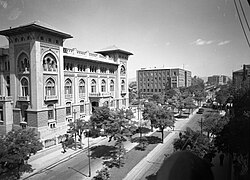
A view of the old general directorate building of Ziraat Bank. It was designed by Istanbul-born Italian Levantine architect Giulio Mongeri and built between 1926 and 1929.
  • Status: Capital city and metropolitan municipality of Turkey.
  • Population: Approximately 5,910,320 (as of December 2025 estimate).
  • Nickname: The Heart of Turkey.
  • Geography: Located in the Central Anatolia region at an elevation of 938 meters.
  • Economy: Nominal GDP of ₺4.673 trillion (approx. US$ 142.3 billion) for 2024.
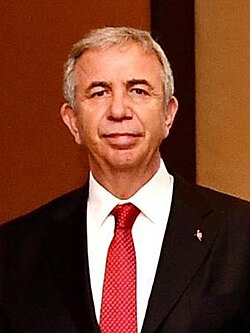
  • Governance: Led by Mayor Mansur Yavaş (CHP) and Governor Vasip Şahin.

A Journey Through Time: Ancient and Imperial History
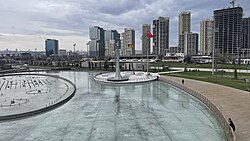
Başkent Millet Park in Ankara

Ankara's roots stretch deep into antiquity. The city's historical significance is anchored by archaeological treasures such as the Cardo Maximus (the Roman Road of Ankara). Discovered in 1995 by archaeologist Cevdet Bayburtluoğlu, this ancient thoroughfare measures 216 meters in length and 6.7 meters in width.
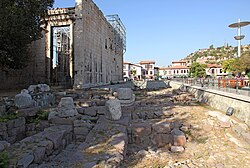
At the Monumentum Ancyranum (Temple of Augustus and Rome) in Ulus, the primary intact copy of Res Gestae written by the first Roman emperor Augustus survives.
: At the Monumentum Ancyranum (Temple of Augustus and Rome) in Ulus, the primary intact copy of Res Gestae written by the first Roman emperor Augustus survives.

The city has been shaped by various civilizations, including the Celts, Romans, Byzantines, Seljuks, and Ottomans. Notable historical markers include the Column of Julian, erected in 362 to honor Emperor Julian the Apostate's visit, and the Monumentum Ancyranum, which houses a primary copy of the Res Gestae—the recorded achievements of the first Roman emperor, Augustus.
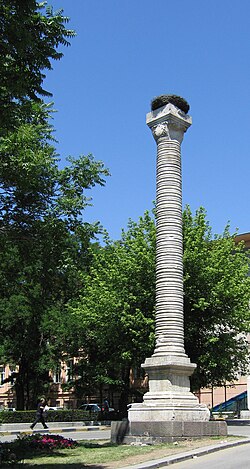
The Column of Julian (362) was erected in honor of the Roman emperor Julian the Apostate's visit to Ancyra.
: The Column of Julian (362) was erected in honor of the Roman emperor Julian the Apostate's visit to Ancyra.
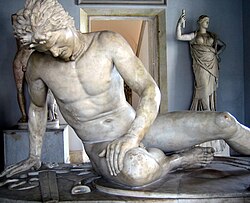
The Dying Galatian was a famous statue commissioned some time between 230 and 220 BC by King Attalos I of Pergamon to honor his victory over the Celtic Galatians in Anatolia. Roman marble copy of a Hellenistic work of the late 3rd century BC, at the Capitoline Museums, Rome.
: The Dying Galatian was a famous statue commissioned some time between 230 and 220 BC by King Attalos I of Pergamon to honor his victory over the Celtic Galatians in Anatolia. Roman marble copy of a Hellenistic work of the late 3rd century BC, at the Capitoline Museums, Rome.

Religious and Cultural Heritage

The spiritual landscape of Ankara is marked by beautiful structures such as the Kocatepe Mosque and the Hacı Bayram Mosque (built in 1428). The city also holds significant ecclesiastical history, including connections to figures like St. Theodotus of Ancyra.
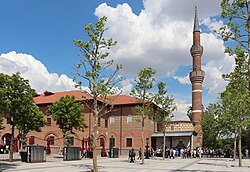
Hacı Bayram Mosque (1428)
: Hacı Bayram Mosque (1428)
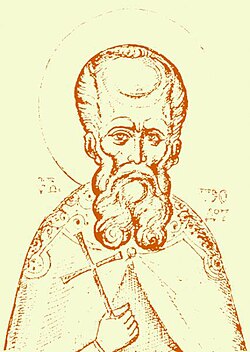
St. Theodotus of Ancyra
: St. Theodotus of Ancyra

The Modern Republic and Political Significance

ภาพประกอบบทความ
ภาพประกอบจากบทความต้นฉบับ

In the 20th century, Ankara underwent a massive transformation, becoming the capital of the newly formed Turkish Republic. This era is immortalized in the city's monuments and museums, most notably Anıtkabir, the mausoleum of Mustafa Kemal Atatürk, the founder of the Republic.
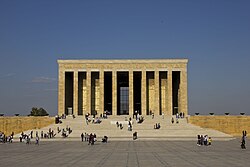
Atatürk's Mausoleum is the mausoleum of Mustafa Kemal Atatürk, founder of the Republic of Turkey.
: Atatürk's Mausoleum is the mausoleum of Mustafa Kemal Atatürk, founder of the Republic of Turkey.

The city's role in the struggle for independence is preserved in the War of Independence Museum, which originally served as the first Grand National Assembly building. Modern political life continues to thrive in the city's various districts, with the 2024 local elections showing a diverse political landscape across its 25 districts.
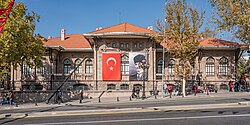
The War of Independence Museum, used as the first Turkish Grand National Assembly building
: The War of Independence Museum, used as the first Turkish Grand National Assembly building
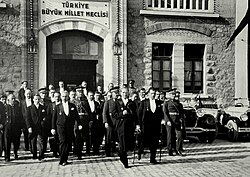
President Mustafa Kemal Atatürk (center) and Prime Minister İsmet İnönü (left) leaving the Grand National Assembly of Türkiye during the 7th anniversary celebrations of the Turkish Republic in 1930
: President Mustafa Kemal Atatürk (center) and Prime Minister İsmet İnönü (left) leaving the Grand National Assembly of Türkiye during the 7th anniversary celebrations of the Turkish Republic in 1930

Urban Development and Architecture

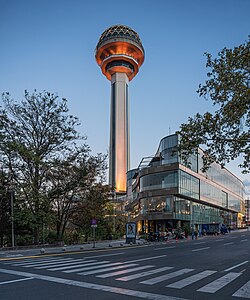
Ankara's skyline is a blend of historical charm and contemporary design. From the traditional Ottoman houses in the Hamamönü district to the International Style office towers like the Emek Business Center, the architecture tells a story of rapid growth. The city's modern identity is further defined by landmarks like the Atakule Tower and various high-end shopping malls.
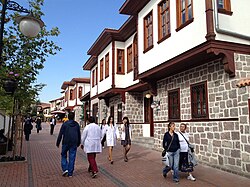
Ottoman houses in Hamamönü district
: Ottoman houses in Hamamönü district
Kızılay Square and Emek Business Center (1959–1965), the first International Style office tower and shopping center in Turkey.[51][52]
: Kızılay Square and Emek Business Center (1959–1965), the first International Style office tower and shopping center in Turkey.
Atakule Tower and Atrium Shopping Mall
: Atakule Tower and Atrium Shopping Mall

Culture, Arts, and Education

Mansur Yavaş of the CHP is the Mayor of Ankara.

Ankara is a vibrant hub for the arts and higher learning. It hosts five classical music orchestras, including the Presidential Symphony Orchestra, and features world-class venues like the CSO Ada Ankara. The city is also home to approximately 50 museums, ranging from the Museum of Anatolian Civilizations to the Ankara Aviation Museum.
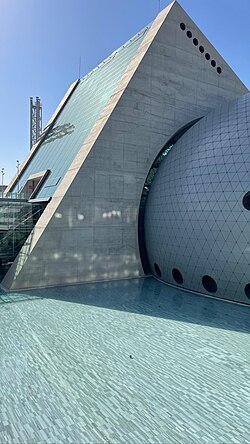
CSO Ada Ankara serves as the Presidential Symphony Orchestra Concert Hall.
: CSO Ada Ankara serves as the Presidential Symphony Orchestra Concert Hall.

Educationally, the city is a powerhouse, hosting prestigious institutions such as Middle East Technical University (METU), Hacettepe University, and Ankara University. This academic density contributes to the city's dynamic and intellectual atmosphere.

The Presidential Library in Ankara is the largest library in Turkey, with a collection of over 4 million printed books and over 120 million electronic editions published in 134 languages.[39]
: The Presidential Library in Ankara is the largest library in Turkey, with a collection of over 4 million printed books and over 120 million electronic editions published in 134 languages.

Nature and Local Fauna

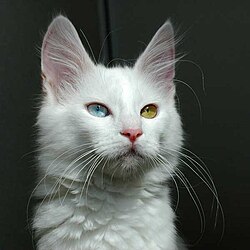
Despite its urban density, Ankara offers significant green spaces like Gençlik Park, Botanik Park, and Göksu Park. The region is also famous for its unique fauna, specifically the Angora breeds, including the Angora cat, goat, and rabbit.
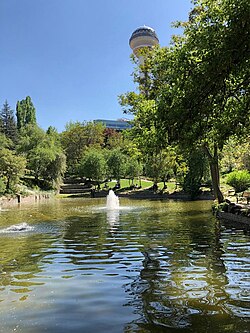
Botanik Park
Botanik Park
: Botanik Park
Angora cat with odd eyes (heterochromia), which is common among the Angoras
: Angora cat with odd eyes (heterochromia), which is common among the Angoras
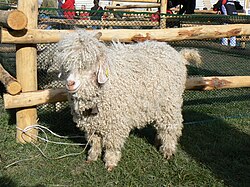
Angora goat
Angora goat
: Angora goat
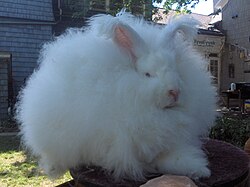
Angora rabbit
Angora rabbit
: Angora rabbit

Summary of Ankara at a Glance

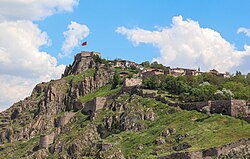
Ankara castle and citadel
Key Statistics and Information
Category Details
Region Central Anatolia
Urban Area 4,130.2 km²
Metro Area 25,632 km²
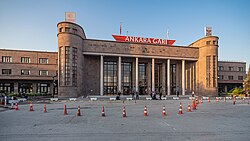
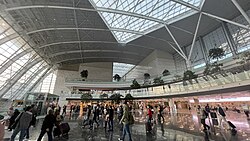
Major Transport Ankara Railway Station & ATG Terminal (High-Speed Rail)
Primary Language Turkish
Time Zone UTC+03:00
Ankara railway station is a hub for conventional trains.
: Ankara railway station is a hub for conventional trains.
The new ATG terminal is a hub for the high-speed rail (YHT) services.
: The new ATG terminal is a hub for the high-speed rail (YHT) services.

Frequently Asked Questions

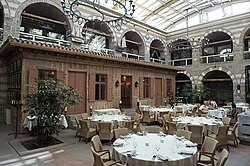
Çengelhan Rahmi M. Koç Museum's courtyard has been covered with a glass roof.
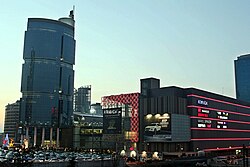
Armada Shopping Mall
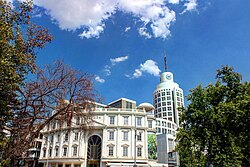
Sheraton Ankara and Karum Shopping Mall
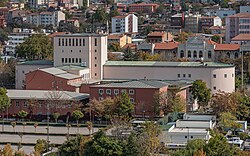
Ankara Opera House of the Turkish State Opera and Ballet (1933)
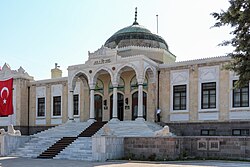
Ethnography Museum of Ankara
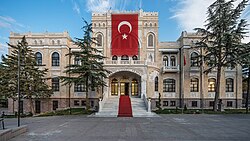
State Art and Sculpture Museum
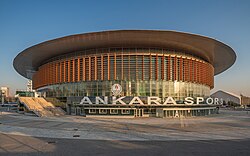
Ankara Arena
Ankara Arena
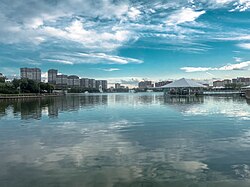
Göksu Park
Göksu Park

What is the significance of Ankara to Turkey?

Ankara is the capital city of Turkey and serves as the nation's political, administrative, and cultural heart. It is the seat of the government and a major center for education and industry.

What are the most famous historical sites in Ankara?

Key historical sites include Anıtkabir (the mausoleum of Atatürk), the Museum of Anatolian Civilizations, the Roman Road (Cardo Maximus), and the Temple of Augustus and Rome.

What is the climate like in Ankara?

Ankara experiences a continental climate. Summers can be quite warm, with record highs reaching above 40°C, while winters can be cold, with temperatures occasionally dropping below -24°C.

Is Ankara a good city for students?

Yes, Ankara is a major educational hub, hosting numerous prominent universities such as Bilkent, Hacettepe, and Middle East Technical University (METU).

What are the "Angora" animals?

The term "Angora" refers to specific breeds of animals native to or associated with the region, most notably the Angora cat, Angora goat, and Angora rabbit.