İsmet İnönü: The Architect of Modern Turkish Diplomacy and Statehood
Mustafa İsmet İnönü (1884–1973) stands as one of the most influential figures in the history of the Republic of Turkey. A distinguished military officer and seasoned politician, he served as Turkey's second president and held the office of prime minister on three separate occasions. Often regarded as the right-hand man to Mustafa Kemal Atatürk, İnönü played a pivotal role in transitioning Turkey from the remnants of the Ottoman Empire into a modern, secular nation-state.
From the battlefields of the Greco-Turkish War to the negotiation tables of Lausanne, İnönü's career was defined by a commitment to national sovereignty and systemic reform. His leadership spanned the most volatile decades of the 20th century, guiding Turkey through the perils of World War II and the complex transition to a multiparty democracy.
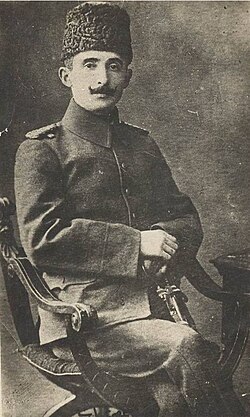
Key Facts
- Presidency: Served as the 2nd President of Turkey from 1938 to 1950.
- Prime Ministerships: Held the office three times (1923–1924, 1925–1937, and 1961–1965).
- Diplomatic Triumph: Chief negotiator for the Treaty of Lausanne, which secured international recognition of Turkish victory.
- Military Rank: Attained the rank of General; commanded the Western Front during the War of Independence.
- Political Title: Known as Millî Şef (National Chief) during his presidency.
- Democratic Legacy: Presided over Turkey's first peaceful transfer of power to an opposition party in 1950.
Military Career and the War of Independence
İnönü's rise began within the Ottoman military. During World War I, he climbed the ranks rapidly, serving as the chief of staff of the Second Army by 1915. However, his most defining military contributions occurred during the Turkish War of Independence (1919–1922). After escaping the military occupation of Constantinople in 1920, he joined the Ankara government and was appointed chief of the general staff.
As commander of the Western Front, İnönü led Turkish forces to critical victories in the First and Second Battles of İnönü. These triumphs were so significant that Mustafa Kemal Atatürk bestowed upon him the surname "İnönü" following the 1934 Surname Law.
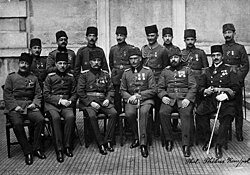
The Path to Sovereignty: Mudanya and Lausanne
Following the defeat of invading forces, İnönü transitioned from military command to high-stakes diplomacy. He served as the chief negotiator during the Armistice of Mudanya and later as the Minister of Foreign Affairs at the Lausanne Conferences (1922–1923). His efforts successfully replaced the restrictive Treaty of Sèvres with the Treaty of Lausanne, establishing the legal foundations of the modern Turkish Republic.
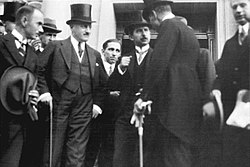
The Era of Reform and the Prime Ministership
For much of Atatürk's presidency, İnönü served as prime minister, acting as the primary executor of the state's modernizing and nationalist reforms. These reforms were designed to secularize and westernize the nation, including the Hat Law, the closure of dervish lodges, and the 1928 transition from the Arabic script to Latin characters.
İnönü also championed the use of "Pure Turkish," seeking to replace foreign loanwords with native Turkish terms to strengthen national identity. He worked closely with Atatürk to implement these sweeping changes across education and social life.
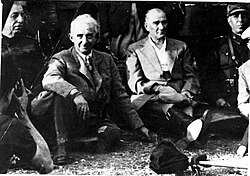
Presidency and the "National Chief" (1938–1950)
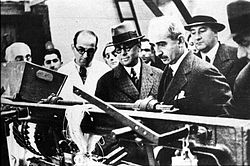
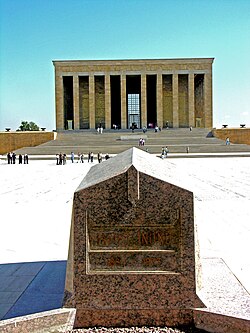
Upon the death of Atatürk in 1938, İnönü succeeded him as president and was granted the title of Millî Şef (National Chief). His presidency was characterized by a continuation of Kemalist policies, particularly in education through the establishment of Village Institutes, and the implementation of heavy statist economic policies.
Navigating World War II
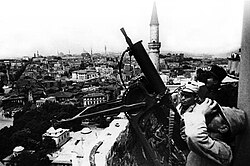
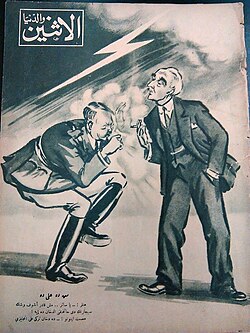
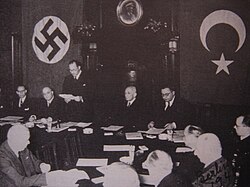
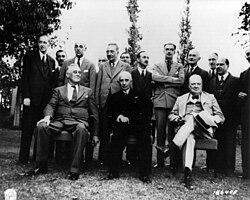
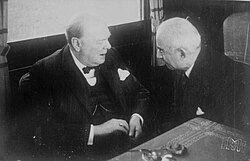
One of İnönü's greatest challenges was maintaining Turkey's armed neutrality during World War II. Through a delicate balancing act of diplomacy, he kept Turkey out of active combat for most of the conflict, joining the Allied powers only three months before the end of the war in Europe.
Post-war tensions, specifically the Turkish Straits crisis, pushed İnönü to strengthen ties with Western powers. This strategic shift eventually paved the way for Turkey's entry into NATO in 1952, although İnönü had left the presidency by that time.
Transition to Multiparty Democracy
Internal friction within the Republican People's Party (CHP) between statists and liberals led to the formation of the Democrat Party (DP) in 1946. In a landmark move for Turkish democracy, İnönü held the first multiparty elections in 1946. In 1950, after the CHP suffered a defeat, İnönü ensured a peaceful transfer of power to the Democrat Party, marking a critical precedent for democratic stability in the region.
Later Life and Political Return
After a decade in opposition, İnönü returned to power as prime minister following the 1961 elections, which took place after the 1960 military coup. During the 1960s, he reinvented the CHP as a "Left of Center" party, reflecting the rising influence of a new political cadre led by Bülent Ecevit.
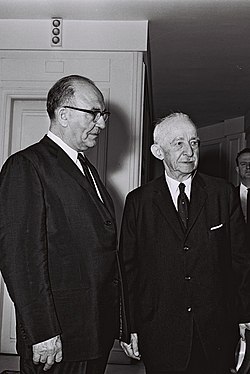
İnönü remained the leader of the CHP until 1972, when he was defeated by Ecevit in a leadership contest—the first time a party leader was overthrown in such a manner in the Republic's history. He passed away from a heart attack on December 25, 1973, at the age of 89.
Family and Personal Life
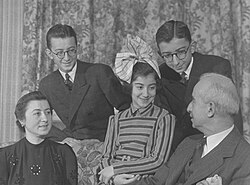
İnönü married Emine Mevhibe in 1917. The couple had four children, though their first son, İzzet, died in infancy during the Greco-Turkish War. Their son, Erdal İnönü, became a renowned theoretical physicist and later a prominent politician, serving as Deputy Prime Minister and Minister of Foreign Affairs. Their daughter, Özden Toker, continues to preserve the family's legacy through the İnönü Foundation.
| Role | Terms/Years | Key Focus/Achievement |
|---|---|---|
| Chief of General Staff | 1920–1921 | Organization of the regular Turkish army |
| Prime Minister | 1923–1924, 1925–1937, 1961–1965 | Modernizing reforms and post-coup stabilization |
| President | 1938–1950 | WWII neutrality and transition to multiparty system |
| CHP Leader | 1938–1972 | Evolution of the party to "Left of Center" |
Frequently Asked Questions
How did İsmet İnönü get his surname?
Mustafa Kemal Atatürk bestowed the surname "İnönü" upon him in 1934, following the adoption of the Surname Law. The name refers to the site of the First and Second Battles of İnönü, where İnönü led Turkish forces to victory during the War of Independence.
What was the significance of the Treaty of Lausanne?
The Treaty of Lausanne, negotiated by İnönü, replaced the Treaty of Sèvres. It was crucial because it secured international recognition of the Republic of Turkey's sovereignty and victory, establishing the country's modern borders.
What does the title "Millî Şef" mean?
"Millî Şef" translates to "National Chief." This official title was granted to İnönü by the parliament upon succeeding Atatürk as president in 1938.
How did İnönü handle World War II?
İnönü maintained a policy of armed neutrality for the majority of the war, avoiding direct conflict while balancing the interests of the Axis and Allied powers. Turkey only joined the Allies three months before the end of the European Theater.
What was İnönü's role in Turkish democratization?
İnönü is credited with initiating the multiparty period in Turkey by holding the first multiparty elections in 1946 and facilitating the peaceful transfer of power to the Democrat Party in 1950.