Sir Michael Graydon: A Distinguished Career in the Royal Air Force
Air Chief Marshal Sir Michael Graydon is a highly decorated retired officer of the Royal Air Force (RAF) whose career spanned four decades of evolving aerial warfare and strategic leadership. From his early days as a fast jet pilot in the 1960s to his tenure as the professional head of the RAF, Graydon played a pivotal role in shaping British air power during the late 20th century.
Key Facts
- Highest Rank: Air Chief Marshal.
- Top Command: Chief of the Air Staff (1992–1997).
- Major Conflict: Served as Air Officer Commanding-in-Chief RAF Strike Command during the Gulf War.
- Strategic Impact: Advised the UK government on No Fly Zones in Iraq and Bosnia.
- Organizational Reform: Implemented the "Front Line First" initiative, reducing RAF manpower from approximately 75,000 to 53,000.
Early Career and Flight Instruction
Born on 24 October 1938 in Kew, Surrey, Michael Graydon was educated at Wycliffe College in Gloucestershire. His journey into aviation began in January 1957 as a flight cadet at the Royal Air Force College Cranwell, and he was officially commissioned into the RAF on 15 December 1959.
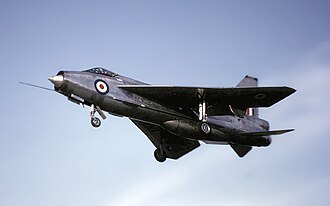
Graydon's aptitude for teaching was recognized early. After completing his Qualified Flying Instructor (QFI) course—a specialized program for pilots trained to instruct others—at the Central Flying School, he was posted to No. 1 Flying Training School at RAF Linton-on-Ouse in 1960. He later gained operational experience on Hunter aircraft at No. 229 Operational Conversion Unit before joining No. 56 Squadron at RAF Wattisham in 1962, where he flew the English Electric Lightning.
Rising Through the Ranks
By 1967, Graydon had become a flight commander at No. 56 Squadron based at RAF Akrotiri in Cyprus. His contributions were recognized in the 1967 Birthday Honours with the Queen's Commendation for Valuable Service in the Air. Throughout the 1970s, he transitioned into strategic roles, attending the RAF Staff College in 1970 and serving as Personal Staff Officer to the Deputy Commander-in-Chief Allied Forces Central Europe in 1971.
Command and Strategic Leadership
The 1980s marked a period of significant command responsibility for Graydon. He served as the Station Commander at both RAF Leuchars in 1981 and RAF Stanley in the Falkland Islands in 1983. His ascent continued through the late 80s, taking on the role of Air Officer Commanding-in-Chief at RAF Support Command in 1989.
In 1990, promoted to Air Chief Marshal, Graydon took command of RAF Strike Command. This was a critical period, as he led the command during the Gulf War in 1991, overseeing the RAF's primary combat operations.
Chief of the Air Staff
From November 1992 to April 1997, Sir Michael served as the Chief of the Air Staff. In this capacity, he was the primary advisor to the British Government on the implementation of No Fly Zones—designated areas where aircraft are prohibited from flying to protect civilians or prevent military aggression—specifically in Iraq and Bosnia.
He also spearheaded the Front Line First initiative in July 1994. This strategic restructuring aimed to prioritize combat readiness and efficiency, resulting in a significant reduction of RAF manpower from roughly 75,000 personnel to 53,000.
Summary of Service and Honors
| Period | Role/Command | Key Achievement/Note |
|---|---|---|
| 1962 | No. 56 Squadron | Flew English Electric Lightnings |
| 1977–1979 | Officer Commanding No. 11 Squadron | Commanded at RAF Binbrook |
| 1983–1984 | Station Commander, RAF Stanley | Commanded in the Falkland Islands |
| 1991–1992 | AOC-in-C, RAF Strike Command | Led during the Gulf War |
| 1992–1997 | Chief of the Air Staff | Implemented Front Line First initiative |
Life After the RAF
Following his retirement in 1997, Sir Michael remained active in public service and corporate governance. He served as a non-executive director for Symbiotics and Thales plc, and held leadership roles in several organizations, including the Air League, the Air Cadet Council, and the Battle of Britain Memorial Trust.
He has shown a particular commitment to Cyprus, advocating for the end of the isolation of Northern Cyprus. He supported the creation of a memorial for British servicemen who died in Cyprus between 1956 and 1960 and established the North Cyprus branch of the Royal British Legion in 2011. Currently, he serves as the chairman of the board of trustees for the International Bomber Command Centre.
Frequently Asked Questions
What was Sir Michael Graydon's highest rank in the RAF?
Sir Michael Graydon achieved the rank of Air Chief Marshal.
Which major conflict did he lead during his time at RAF Strike Command?
He served as the Air Officer Commanding-in-Chief of RAF Strike Command during the Gulf War in 1991.
What was the "Front Line First" initiative?
Launched in July 1994, Front Line First was an initiative implemented by Graydon to streamline the RAF, reducing its manpower from approximately 75,000 to 53,000 personnel.
How did he contribute to the British government's foreign policy as Chief of the Air Staff?
He provided expert advice on the implementation of No Fly Zones in both Iraq and Bosnia.
What are some of his post-retirement contributions to Cyprus?
He supported a memorial for British servicemen who died in Cyprus (1956–1960) and founded the Royal British Legion branch in North Cyprus in 2011.