Sir John Salmond: The Architect of British Air Superiority
Marshal of the Royal Air Force Sir John Maitland Salmond was a pivotal figure in the evolution of British aerial warfare. From the early days of the Royal Flying Corps (RFC) to the highest echelons of the Royal Air Force (RAF), Salmond's career spanned the most transformative years of military aviation. His leadership not only secured air superiority during the First World War but also shaped the strategic defense of Great Britain during the interwar period.
Key Facts
- Highest Rank: Marshal of the Royal Air Force.
- Major Roles: Chief of the Air Staff (1930–1933) and General Officer Commanding the RFC in the Field.
- Key Achievement: Secured complete air superiority over German forces toward the end of WWI.
- Strategic Stance: Bitterly opposed the complete aerial disarmament of the UK at the World Disarmament Conference.
- Service Span: Active military service from 1901 to 1943.
Early Life and Education
Born on July 17, 1881, in London, John Salmond was the son of Major General Sir William Salmond and Emma Mary Salmond. His early education was managed by governesses before he attended Miss Dixon's School in London. He later moved to Aysgarth Preparatory School in Yorkshire and Wellington College, eventually entering the Royal Military College, Sandhurst, in 1900.
Rise Through the Military Ranks
Salmond began his career as a second lieutenant in 1901 with the King's Own Royal Lancaster Regiment, serving in the latter stages of the Second Boer War. After a period of service with the West African Frontier Force (1903–1906), he returned to England due to medical reasons.
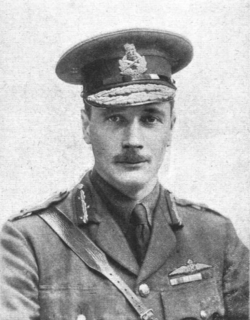
In 1912, Salmond transitioned to aviation, learning to fly at the Central Flying School. He quickly distinguished himself, setting a solo British altitude record of 13,140 feet in December 1913. By the outbreak of the First World War, he was commanding No. 7 Squadron and later No. 3 Squadron on the Western Front.
Leadership in the First World War
Salmond's ascent was rapid. He commanded several RFC brigades in 1916 and later became the General Officer Commanding the Training Division in August 1917. In this role, he modernized flight instruction by introducing new teaching methods and establishing minimum training standards.
By January 1918, as General Officer Commanding the Royal Flying Corps in the Field (which became the RAF in the Field), Salmond achieved a critical strategic goal: establishing complete air superiority over German forces, a feat that significantly aided the Allied effort.
Interwar Command and Strategic Influence
Following the war, Salmond held several high-profile commands. In 1922, he led the Iraq Command, where he successfully halted a Turkish invasion and managed a Kurdish uprising against the British-sponsored ruler, King Faisal.
Between 1925 and 1928, he was the Air Officer Commanding the Air Defence of Great Britain. He also spent time on loan to the Australian Government, conducting an extensive aerial tour of northern Australia.
Chief of the Air Staff
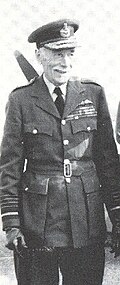
Salmond reached the pinnacle of his career as Chief of the Air Staff from 1930 to 1933. During this tenure, he became a vocal critic of the British government's position at the World Disarmament Conference in Geneva. Salmond feared that the proposed aerial disarmament would leave the UK vulnerable—a concern validated when Adolf Hitler withdrew from the conference in October 1933.
Later Years and World War II
During the Second World War, Salmond served as the Director of Armament Production at the Ministry of Aircraft Production. In 1940, he chaired an inquiry into Britain's night air defenses; the resulting report contributed to the removal of Hugh Dowding from Fighter Command.
After clashing with Lord Beaverbrook, the Minister of Aircraft Production, Salmond resigned in 1941 and briefly served as Director-General of Flying Control and Air Sea Rescue. He retired in 1943 due to ill health but remained a prominent figure in the RAF community, serving as President of the Royal Air Force Club for 23 years.
Summary of Service and Honors
| Period | Key Position/Role | Major Achievement/Event |
|---|---|---|
| 1901–1906 | Army Officer | Served in Second Boer War and West Africa |
| 1914–1918 | RFC/RAF Commander | Achieved air superiority on the Western Front |
| 1922–1924 | Air Officer Commanding, Iraq | Halted Turkish invasion; managed Kurdish uprising |
| 1930–1933 | Chief of the Air Staff | Opposed UK aerial disarmament in Geneva |
| 1939–1943 | Ministry of Aircraft Production | Directed armament production and night defense inquiry |
Frequently Asked Questions
What was Sir John Salmond's most significant contribution during WWI?
His most significant contribution was serving as General Officer Commanding the RAF in the Field, where he successfully secured complete air superiority over German forces toward the end of the war.
Why did Salmond oppose the World Disarmament Conference?
He believed that the British politicians' position at the conference would lead to the complete aerial disarmament of the United Kingdom, leaving the nation undefended against rising threats.
What role did Salmond play in the removal of Hugh Dowding?
Salmond chaired a committee of enquiry into Britain's night air defenses in 1940; the findings of his report were a contributing factor in Dowding's removal from Fighter Command.
Which international honors was Sir John Salmond awarded?
He received numerous international awards, including the French Legion of Honour, the French and Belgian Croix de guerre, the Order of the Crown of Italy, the Order of Leopold (Belgium), the Order of the White Eagle (Russia), and the US Distinguished Service Medal.
When did Sir John Salmond retire from military service?
Salmond was forced to retire in 1943 due to ill health, though he remained active in RAF social and honorary circles until his death in 1968.