Royal Lincolnshire Regiment: A History of the 10th Regiment of Foot
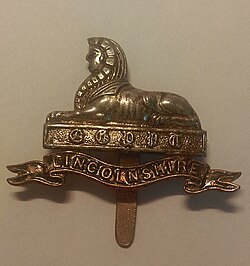
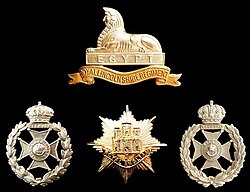
The Royal Lincolnshire Regiment was a distinguished line infantry regiment of the British Army with a legacy spanning nearly three centuries. From its origins in the late 17th century to its eventual amalgamation in the mid-20th century, the regiment served across the globe, earning a reputation for resilience and bravery. Known by the nicknames "The Yellow Bellies" and "the Springers," the regiment's journey reflects the broader evolution of the British military system.
Originally raised on June 20, 1685, as the Earl of Bath's Regiment under its first Colonel, John Granville, the unit was later numbered as the 10th Regiment of Foot in 1751. By 1881, following the Childers Reforms—a series of administrative changes to the British Army—it was officially designated the Lincolnshire Regiment, reflecting its long-standing recruiting ties to the county of Lincolnshire.
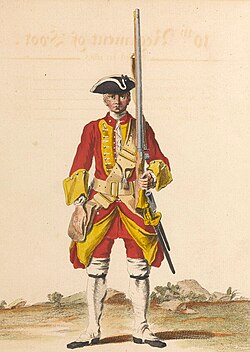
Key Facts
- Active Period: 1685–1960.
- Original Name: Earl of Bath's Regiment.
- Numerical Designation: 10th Regiment of Foot.
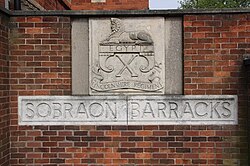
- Headquarters: Sobraon Barracks, Lincoln (1880–1960).
- Successor: Amalgamated into the Royal Anglian Regiment.
- Notable Honors: Multiple Victoria Crosses awarded across three centuries of service.
Early Campaigns and the American Revolution
The regiment's early history was marked by significant involvement in European conflicts. During the War of the Spanish Succession (1701–1714), the regiment fought in pivotal engagements including the battles of Blenheim, Ramillies, and Malplaquet. In 1759, they were involved in repelling Thurot at Carrickfergus during the Seven Years' War.
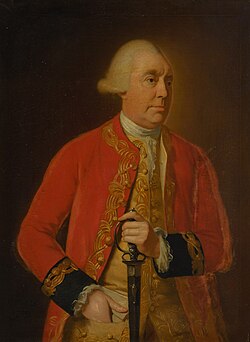
The American War of Independence brought the 10th Regiment of Foot to North America, where they faced some of the most iconic clashes of the revolution. They fought at the Battles of Lexington and Concord, the Battle of Bunker Hill, and the Battle of Rhode Island, as well as campaigns in New York and New Jersey. After 19 years of overseas service, the regiment returned to England in 1778.
The Napoleonic Era and Victorian Expansion
At the turn of the 19th century, the regiment deployed to Egypt during the French Revolutionary Wars. While they arrived too late for the Battle of Alexandria, they were present for the city's surrender in September 1801. The Napoleonic Wars saw the 1st Battalion serve in the Peninsular War, participating in the Battle of Castalla and the Siege of Tarragona, while the 2nd Battalion took part in the Walcheren Campaign of 1809.
The Victorian era expanded the regiment's global reach, particularly in India. During the First Anglo-Sikh War, the regiment fought in the bloody Battle of Sobraon in 1846. They later played a critical role in the relief of Lucknow during the Indian Rebellion of 1857, an action that earned Private Denis Dempsey the Victoria Cross (VC), the highest award for gallantry in the face of the enemy.
Regimental Infrastructure and Evolution
In 1873, the regiment established a depot at the "old barracks" in Lincoln, moving to the "new barracks" (Sobraon Barracks) on Burton Road in 1880. The regiment's structure grew to include militia and volunteer battalions, strengthening its ties to the local community. By the late 19th century, the 1st Battalion was stationed in Malta and fought in the Battle of Omdurman during the Mahdist War, while the 2nd Battalion served in South Africa during the Second Boer War.
The World Wars
First World War
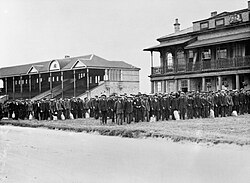
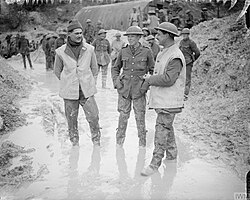
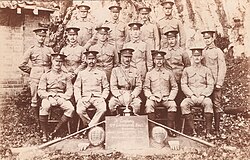
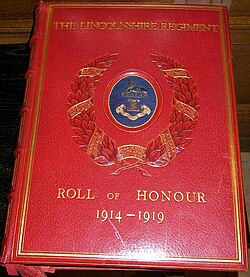
The Great War saw the regiment expand rapidly. The 1st Battalion landed at Le Havre in August 1914, fighting at the First Battle of Ypres. Territorial Force battalions (1/4th and 1/5th) joined the Western Front in 1915, while the 6th (Service) Battalion served at Gallipoli before moving to Egypt and France. The 10th (Service) Battalion, known as the "Grimsby Chums," fought during the first day of the Somme and the Battle of Passchendaele.
Second World War
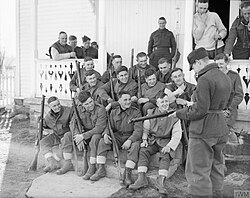
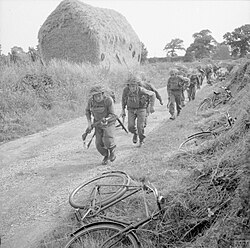
During World War II, the 1st Battalion was stationed in British India and later fought the Imperial Japanese Army in the Burma Campaign. A major victory occurred at the Battle of the Admin Box in 1944, where Major Charles Ferguson Hoey was posthumously awarded the Victoria Cross. Other battalions, such as the 7th and 8th, were raised for the duration of the hostilities but were eventually converted into Royal Artillery units.
Post-War Transition and Legacy
Following the Second World War, the regiment participated in the Malayan Emergency between 1955 and 1957. In 1960, the Royal Lincolnshire Regiment was amalgamated with the Northamptonshire Regiment to form the 2nd East Anglian Regiment. Further mergers in 1964 led to the creation of the Royal Anglian Regiment. Today, 'A' Company of the 2nd Battalion of the Royal Anglians maintains the traditions of the Royal Lincolnshire Regiment.
Bermuda Connections
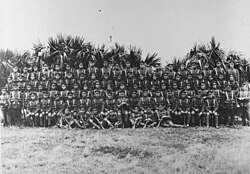
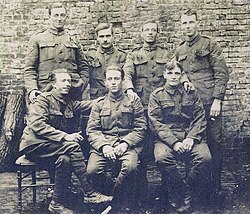
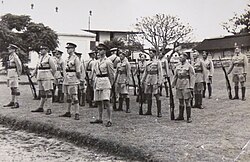
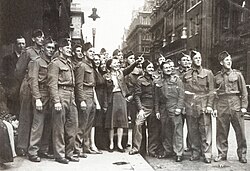
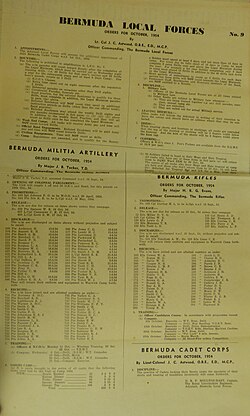
The regiment maintained a strong link with the Bermuda Volunteer Rifle Corps (BVRC). Soldiers from the BVRC served alongside the Lincolnshire Regiment in both World Wars, including deployments to the Western Front in 1914 and service in France in 1918 and 1944.
Regimental Summary
| Category | Details |
|---|---|
| Founded | June 20, 1685 |
| Final Designation | Royal Lincolnshire Regiment |
| Major Conflicts | War of Spanish Succession, American Revolution, Napoleonic Wars, Anglo-Sikh Wars, WWI, WWII |
| Key Honors | Victoria Crosses (e.g., Denis Dempsey, Charles Ferguson Hoey) |
| Amalgamation | 1960 (into 2nd East Anglian Regiment) |
Frequently Asked Questions
What were the nicknames of the Royal Lincolnshire Regiment?
The regiment was commonly known as "The Yellow Bellies" and "the Springers."
When did the regiment become the Lincolnshire Regiment?
The regiment officially became the Lincolnshire Regiment on July 1, 1881, following the Childers Reforms.
Who were the "Grimsby Chums"?
The "Grimsby Chums" was the popular name for the 10th (Service) Battalion, which saw action on the Western Front during the First World War, including the Somme and Passchendaele.
Which modern unit carries on the regiment's traditions?
'A' Company of the 2nd Battalion of the Royal Anglian Regiment continues the traditions of the Royal Lincolnshire Regiment.
How many Victoria Crosses were awarded to the regiment?
The regiment's history includes several Victoria Cross recipients, including Private Denis Dempsey, Lieutenant Henry Marshman Havelock-Allan, Private John Kirk, Lance-Sergeant Arthur Evans, Captain Percy Hansen, Major Charles Ferguson Hoey, Acting Corporal Charles Richard Sharpe, and Captain John Brunt.