The Comprehensive Guide to Raspberries: Botany, Cultivation, and Nutrition
The raspberry is more than just a favorite summer treat; it is the edible fruit of several plant species within the Rubus genus of the rose family. Most of these species fall under the subgenus Idaeobatus. These perennial plants are characterized by their woody stems and their ability to produce vibrant, nutrient-dense berries that are enjoyed globally in everything from fresh salads and cakes to preserves and liqueurs.
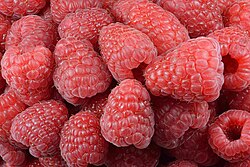
Key Facts
- Botanical Type: An aggregate fruit composed of many individual drupelets.
- Distinguishing Feature: Unlike blackberries, the raspberry's torus (receptacle) remains on the plant, leaving the fruit with a hollow core.
- Top Producer: Russia led world production in 2023, accounting for 23% of the total.
- Nutritional Highlights: High in dietary fiber, Vitamin C, and manganese.
- Growth Habit: Perennial roots with often biennial shoots.
Understanding the Botany of the Raspberry
To the casual observer, a raspberry looks like a single berry, but it is actually an aggregate fruit. This means it develops from numerous distinct carpels (the female reproductive organs of a flower) from a single blossom. Each of these carpels grows into a small, fleshy unit called a drupelet, which contains a single seed. A typical raspberry is made up of approximately 100 drupelets and weighs between 3 and 5 grams.
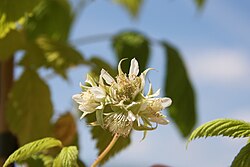
A key scientific distinction exists between raspberries and their close relatives, the blackberries. This difference lies in the torus, which is the receptacle or stem of the fruit. When a blackberry is picked, the torus stays attached to the fruit. In contrast, when a raspberry is harvested, the torus remains on the plant, which is why the raspberry has a characteristic hollow center.
Species and Varieties
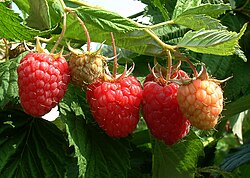
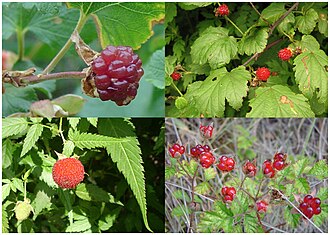
The genus Rubus is diverse, spanning various colors and regions. The most common species include the European red raspberry (Rubus idaeus) and the American red raspberry (Rubus strigosus). Other notable species include the black raspberry (Rubus occidentalis), the Asian raspberry (Rubus crataegifolius), and the Mauritius raspberry (Rubus rosifolius).
Color Variations and Hybrids
While red is the most common color, several other variants exist:
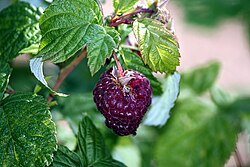
- Black Raspberries: Cultivated for their distinctive flavor and used in jams and frozen products.
- Purple Raspberries: These are typically horticultural hybrids of red and black raspberries, though they occur naturally in some regions like Vermont.
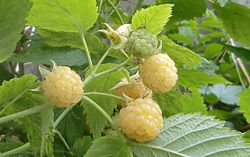
- Yellow (Golden) Raspberries: These are albino-like variants of red or black raspberries. A recessive gene prevents the production of anthocyanin (the pigment responsible for red/purple colors), though they retain the flavor of their parent species.
Cultivation and Growth
Raspberries are hardy plants that can be grown in hardiness zones 3 through 9. They thrive in well-drained soil with a pH between 6 and 7 and require ample sunlight and organic matter to retain moisture.
The Growth Cycle
While the roots are perennial, many raspberry shoots are biennial. This means the shoots grow during the first season (primocanes), and the fruit develops on those same shoots during the second season (floricanes). However, "everbearing" cultivars can produce fruit on both first-year and second-year canes.
Growers often use a method called "long cane production." Canes are grown for a year in northern climates (such as Scotland or Washington) to meet their chilling requirements for bud break, then transplanted to warmer climates like Spain to produce an early-season crop.
Pests and Disease Management
Raspberry cultivation faces several challenges:
- Insects: The Japanese beetle is a major threat due to the fruit's high sugar content. Other pests include the raspberry beetle in Europe and the raspberry fruitworm in North America.
- Fungi: Botrytis cinerea (gray mold) often attacks bruised fruit in wet conditions, while Verticillium wilt can persist in the soil for years.
- Viruses: Complex infections, such as the raspberry mosaic disease complex or raspberry crumbly fruit disease, can lead to reduced yields and misshapen fruit.
Global Production and Nutrition
In 2023, the world produced 940,979 tonnes of raspberries. Production is concentrated in temperate regions of the Northern Hemisphere.
| Country | Production (Tonnes) |
|---|---|
| Russia | 219,338 |
| Mexico | 190,412 |
| Serbia | 98,674 |
| Poland | 96,100 |
| United States | 62,640 |
| World Total | 940,979 |
Nutritional Profile
Raspberries are highly nutritious, consisting of about 86% water. Per 100 grams, they provide 53 kcal and 6.5 grams of dietary fiber. They are particularly rich in Vitamin C (29% of the Daily Value) and manganese (29% DV).
They also contain a variety of phytochemicals, including ellagic acid, quercetin, and various anthocyanins. While red raspberries are rich in these pigments, yellow raspberries contain carotenoids (mostly lutein esters) that are usually masked by the red pigments in other varieties.
Frequently Asked Questions
What is the difference between a raspberry and a blackberry?
The primary difference is the torus (the core). When a raspberry is picked, the torus remains on the plant, leaving the berry hollow. When a blackberry is picked, the torus stays inside the fruit.
Why are some raspberries yellow?
Yellow raspberries are variants that possess recessive genes which prevent the production of anthocyanin pigments. Despite the color difference, they maintain the flavor of the red or black species they derived from.
What are "primocanes" and "floricanes"?
Primocanes are first-year shoots, while floricanes are second-year shoots. Most raspberries produce fruit on floricanes, though "everbearing" varieties can produce fruit on both.
Are raspberry leaves used for anything?
Raspberry leaves are often used fresh or dried in herbal teas for their astringent flavor. While they are used in traditional medicine, there is currently no scientifically valid evidence to support their medicinal use.
What is the best soil for growing raspberries?
Raspberries prefer well-drained soil with a pH between 6 and 7. They require plenty of organic matter to help retain water and should be planted in raised beds if there is a risk of root rot.