Aggregate Fruits: How Multiple Ovaries Form a Single Structure
In the diverse world of botany, not all fruits are created equal. While we often think of a fruit as a single unit, many plants produce structures known as aggregate fruits (also called etaerio). These unique structures develop from the merger of several separate ovaries located within a single flower.
To understand aggregate fruits, it is essential to distinguish them from other botanical categories. A simple fruit develops from just one ovary, whereas a multiple fruit develops from the ovaries of several different flowers. Interestingly, the terminology can be confusing; in many languages other than English, the definitions of "aggregate" and "multiple" are reversed. The English convention follows the terminology established by John Lindley.
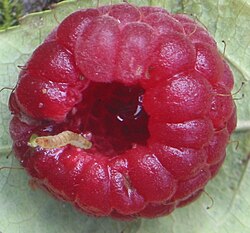
Key Facts
- Aggregate fruits develop from multiple ovaries within one single flower.
- Multiple fruits develop from multiple flowers.
- An accessory fruit is an aggregate fruit where parts of the flower other than the ovary become fleshy.
- Not all flowers with multiple ovaries produce aggregate fruits; the ovaries must become tightly joined.
The Anatomy of Aggregate Fruits
The individual components that make up an aggregate fruit can take several different botanical forms. Depending on the plant species, these components might be small, fleshy, or even winged.
Common Fruit Components
Botanists categorize the parts of aggregate fruits based on their specific structures:
- Drupelets: Small, fleshy structures. Examples include the raspberry, as well as the dewberry and blackberry (which are also considered accessory fruits because they feature a fleshy receptacle).
- Achenes: Small, dry, one-seeded fruits. Examples include the strawberry (an accessory fruit with a fleshy receptacle) and the Ranunculus.
- Follicles: A type of dry fruit, such as those found in the Magnolia.
- Samaras: Winged fruits, such as those from the Liriodendron tulipifera.

Complex Structures and Accessory Fruits
Some aggregate fruits have components that are more difficult to define. For instance, the sugar apple (Annona spp.) consists of individual berry-like pistils that are fused with the receptacle. In these cases, the fruit is often classified as an accessory fruit, meaning the fleshy part we eat is derived from tissue exterior to the carpel (the female reproductive organ of the flower).
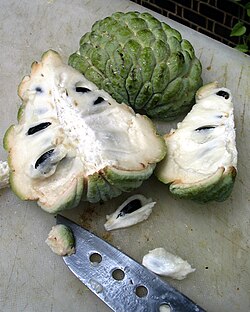
Comparison of Fruit Types
| Fruit Type | Origin Source | Key Characteristic |
|---|---|---|
| Simple Fruit | One ovary | Single ovary development |
| Aggregate Fruit | Multiple ovaries | From a single flower |
| Multiple Fruit | Multiple flowers | From several different flowers |
| Accessory Fruit | Ovary + other tissues | Flesh comes from non-carpel tissue |
Frequently Asked Questions
What is the difference between an aggregate fruit and a multiple fruit?
An aggregate fruit develops from several ovaries within a single flower, while a multiple fruit develops from the ovaries of multiple flowers.
Are all berries aggregate fruits?
No. While some aggregate fruits like the sugar apple are made of berry-like pistils, many other fruits are simple fruits. The classification depends on whether the structure originated from one ovary or many.
What makes a fruit an "accessory fruit"?
An accessory fruit is one in which some of the fleshy, edible part is derived from tissue other than the ovary, such as the receptacle.
Why is there confusion regarding the term "aggregate"?
Confusion often arises because in many languages, the terms for "aggregate" and "multiple" are the reverse of the English definitions. English terminology follows the convention set by John Lindley.
What is a carpel?
A carpel is considered the fundamental "building block" of the ovary in botanical terms.