Follicles in Botany: Structure, Types, and Seed Dispersal
In the diverse world of plant reproduction, the way a plant packages and releases its seeds is critical to its survival. One of the most distinct structures used for this purpose is the follicle. A follicle is a dry, one-chambered (unilocular) fruit that develops from a single carpel—the female reproductive organ of a flower. These structures are designed to protect seeds until they are mature and ready for dispersal.
The defining characteristic of a follicle is its method of opening, known as dehiscing. Most follicles split along a single side to release two or more seeds into the environment. Common examples of plants that utilize this mechanism include Asclepias (milkweed) and various species within the Proteaceae family.
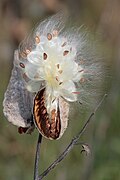
Key Facts
- Structure: A dry, unilocular fruit formed from one carpel.
- Primary Function: Protects and eventually releases two or more seeds.
- Dehiscence: Typically splits along one suture (side) to release seeds.
- Variations: Can be single or grouped into aggregate fruits called follicetums.
- Examples: Found in Magnolia, Banksia, and Delphinium.
Types of Follicles and Dehiscence
While the standard follicle splits along one side, botanical variations exist depending on the species. The specific location of the split, or suture, can vary:
- Ventral Suture: Some species, such as Banksia, dehisce along the ventral (front) suture.
- Dorsal Suture: Others, such as Magnolia, dehisce along the dorsal (back) suture.
The Case of Indehiscent Follicles
Botanists occasionally encounter "difficult cases" where a fruit does not split open naturally. These are referred to as indehiscent follicles. A prime example is the genus Filipendula, which produces fruits that act as an intermediate form between a standard dehiscent follicle and an achene (a small, dry, one-seeded fruit that does not open).
Aggregate Fruits: The Follicetum
Not all follicles exist in isolation. When multiple follicles are grouped together as an aggregate fruit, the resulting structure is called a follicetum. The arrangement of these follicles depends on the plant's anatomy:
- Whorled Arrangements: In plants like hellebore, aconite, Delphinium, Aquilegia, and the Crassulaceae family, several follicles occur in a whorl on a shortened receptacle.
- Spiral Arrangements: In the Magnolia genus, many follicles are arranged in a spiral pattern on an elongated receptacle.
Other notable examples include Brachychiton discolor, which features a monofloral aggregate fruit consisting of five follicles, and Stenocarpus sinuatus, which produces follicles that release papery brown seeds.
| Category | Characteristic | Example Genera/Families |
|---|---|---|
| Standard Follicle | Dry, unilocular, splits on one side | Asclepias, Consolida |
| Indehiscent Follicle | Does not split open | Filipendula |
| Follicetum | Aggregate of multiple follicles | Delphinium, Aquilegia |
| Ventral Dehiscence | Splits along the front suture | Banksia |
| Dorsal Dehiscence | Splits along the back suture | Magnolia |
Frequently Asked Questions
What is a botanical follicle?
A follicle is a dry, one-chambered fruit developed from a single carpel that typically splits along one side to release its seeds.
What is the difference between a follicle and a follicetum?
A follicle is a single fruit unit, whereas a follicetum is an aggregate fruit composed of multiple follicles grouped together.
Do all follicles split open to release seeds?
No. While most are dehiscent (they split), some are indehiscent, meaning they do not open naturally, as seen in the genus Filipendula.
Which plants are known for having follicles?
Common examples include milkweed (Asclepias), magnolias (Magnolia), and various members of the Proteaceae family, such as Banksia.
How do follicles differ in their opening mechanism?
Follicles can dehisce along different sutures; for instance, Banksia species typically split along the ventral suture, while Magnolia species split along the dorsal suture.