Fynbos: The Extraordinary Biodiversity of South Africa's Cape Floral Kingdom
Spanning the Western and Eastern Cape provinces of South Africa, fynbos represents one of the most biologically significant landscapes on Earth. Derived from the Afrikaans term for "fine bush," this unique shrubland or heathland thrives within a Mediterranean climate, characterized by wet winters and dry summers. While the term historically referred to any small woodland growth lacking timber trees, in modern ecology, it describes a highly specific and diverse vegetation type found predominantly in coastal and mountainous regions.
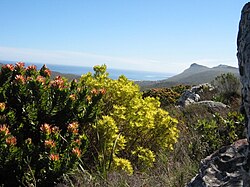
The fynbos ecoregion is a vital component of the Mediterranean forests, woodlands, and scrub biome. It is defined by its sclerophyllous vegetation—plants with hard, leathery leaves adapted to reduce water loss—and its incredible density of life. This region is not merely a collection of plants; it is a cornerstone of the Cape Floral Kingdom (Capensis), one of only six floral kingdoms in the world.
The Cape Floral Kingdom: A Global Biodiversity Hotspot
The Cape Floral Kingdom is a marvel of biogeography. Although it is the smallest of the world's six floral kingdoms, it is the richest per unit of area. Stretching in a 100-to-200-km-wide coastal belt from Clanwilliam to Port Elizabeth, it accounts for half of the kingdom's surface area while hosting approximately 80% of its plant species.
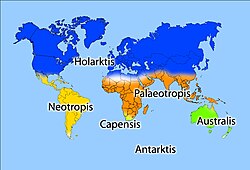
The sheer scale of endemism—species that grow nowhere else on Earth—is staggering. Of the more than 9,000 plant species in the area, roughly 6,200 are endemic. To put this into perspective, Table Mountain in Cape Town supports 2,200 species, a number that exceeds the total plant diversity of the entire United Kingdom. Even when compared to the Malayan forests or the Amazon rainforest, the fynbos demonstrates a level of species density that is virtually unparalleled.
Key Facts
- Global Standing: One of only six floral kingdoms; the smallest and richest per unit area.
- Endemism: Approximately 6,200 of the 9,000+ species are found nowhere else.
- Species Density: Table Mountain alone hosts more species than the United Kingdom.
- Climate: Mediterranean, featuring winter rainfall and dry summers.
- Economic Value: Home to important exports like Rooibos, honeybush, and Proteas.
Diverse Flora and Characteristic Vegetation
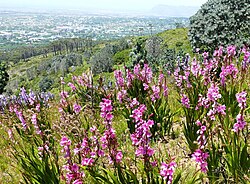
Fynbos is characterized by evergreen, sclerophyllous plants. The landscape is dominated by several key plant families that define its visual and ecological identity:
- Proteaceae: Prominent genera include Protea, Leucospermum (pincushions), and Leucadendron (silver trees). Many are pollinated by birds or small mammals.
- Ericaceae: Commonly known as heaths, these are smaller plants with tiny, tubular, or globular flowers and ericoid (needle-like) leaves. The fynbos contains over 600 species of Erica.
- Restionaceae: These grass-like plants occur in greater variety here than anywhere else, inhabiting both seasonal marshes and arid zones.
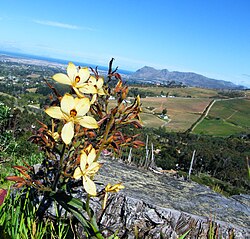
- Bulbs: The region hosts over 1,400 bulb species, including 96 varieties of Gladiolus.
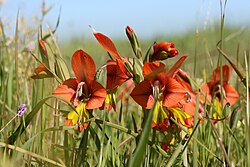
The vegetation is categorized into different types based on soil and location, such as Agulhas Limestone Fynbos, Bokkeveld Sandstone Fynbos, and various Shale Band vegetations. This diversity is further divided into two primary ecoregions: Lowland Fynbos, found on sandy soils below 300 meters, and Montane Fynbos, which covers the 45,000 km² of the Cape Fold Mountains.
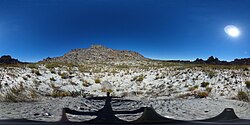
In the montane regions, the higher and wetter environments provide more protection for the original flora, though they remain susceptible to climate change and agriculture. In the lowlands, the vegetation tends to favor larger plants, such as the King Protea, compared to the smaller heaths found at higher altitudes.
Fauna and Ecosystem Interactions
The fynbos ecosystem supports a specialized array of wildlife. Seven bird species are entirely endemic to the region, including the Cape sugarbird and the Cape rockjumper. These birds, along with specific insects like the mountain pride butterfly, play critical roles as pollinators. For example, the butterfly is a specialist that visits red flowers like Disa uniflora, pollinating 15 different species.
The animal kingdom here also includes endemic reptiles, such as the arum frog, and various insects like monkey beetles. Larger mammals, such as the Cape grysbok, common duiker, and klipspringer, navigate this complex landscape. Historically, the fynbos was also home to the extinct blue antelope and quagga.
Economic Importance and Conservation Challenges
Fynbos is not just an ecological treasure but also an economic one. The Cederberg area is vital for the production of Rooibos and honeybush, which are significant exports. Additionally, restios are used for traditional thatching, and many species are harvested for the global floral export market. Furthermore, many fynbos plants are used in traditional medicine.
However, the ecosystem faces severe threats from invasive alien species. Plants such as Australian wattles and hakeas, along with European and Californian pines, compete with native flora and consume vast amounts of water. In 1997, it was estimated that these invasions caused a loss of US$750 million per year in value.
To combat this, the Working for Water (WfW) program was established in 1995. This initiative focuses on clearing invasive species to restore water runoff and provide employment, particularly for women and unskilled workers. Since its inception, over 100,000 hectares have been cleared.
Summary of Fynbos Characteristics
| Feature | Lowland Fynbos | Montane Fynbos |
|---|---|---|
| Elevation | Below 300 m | Above 300 m |
| Primary Soil | Sandy soils | Mountainous/Fold Belt |
| Dominant Flora | Larger Proteas and Restionaceae | Ericas predominate |
| Main Threats | Agriculture and invasive species | Global warming and invasive species |
Frequently Asked Questions
What does the name "fynbos" mean?
The term comes from the Afrikaans word for "fine bush." While the foliage is often ericoid (needle-like) rather than strictly "fine," the name has been used since the late 19th century to describe this specific type of vegetation.
Why is fynbos considered so important globally?
It is part of the Cape Floral Kingdom, which is the smallest and richest floral kingdom in the world per unit of area, boasting an incredible density of endemic species.
How do invasive species affect the fynbos?
Invasive species like pines and wattles compete with native plants and sequester significant amounts of usable surface water runoff, which can lead to massive economic and ecological losses.
Are there any economic uses for fynbos plants?
Yes. Plants like Rooibos and honeybush are major exports, restios are used for thatching, and many species are used in the floral industry or for traditional medicinal purposes.
What are the main types of plants found in fynbos?
The most conspicuous plants belong to the Proteaceae (like Proteas), Ericaceae (heaths), and Restionaceae (grass-like restios) families.