Racial Segregation: History, Definitions, and Global Impact
Racial segregation is the practice of separating people into distinct racial or ethnic groups in daily life. This systemic separation often manifests as spatial isolation or the mandatory use of different institutions—such as schools, hospitals, and public transport—based on a person's race. From the simple act of using separate water fountains to the complex legal frameworks of entire nations, segregation is designed to maintain social hierarchies and restrict access to resources.
While segregation typically involves the exclusion of certain groups from shared spaces, it often permits contact in hierarchical settings. For example, a person of one race may be allowed to enter a space only if they are employed as a servant for a member of a dominant racial group.
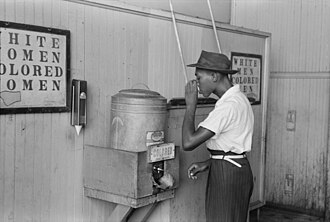
Defining Segregation and Discrimination
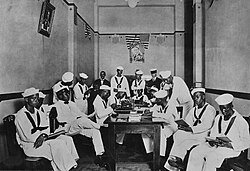
To understand segregation, it is necessary to distinguish between forced separation and voluntary association. The European Commission against Racism and Intolerance defines segregation as an act where a person or entity separates others based on specific grounds without an objective or reasonable justification. Under this definition, the voluntary act of separating oneself from others does not constitute segregation.
Similarly, the UN Forum on Minority Issues notes that creating schools or classes to provide education in minority languages is not considered impermissible segregation, provided the assignment to these institutions is voluntary. Such behavior is often attributed to voluntary in-group preference.
Key Facts
- Legal Status: Racial segregation is generally outlawed worldwide.
- International Law: Under the 2002 Rome Declaration of Statute of the International Criminal Court, segregation can be classified as a crime against humanity or the international crime of apartheid.
- Scope: It affects nearly every aspect of public life, including housing, healthcare, education, and worship.
- Forms: It can be de jure (mandated by law) or de facto (occurring in practice through social or economic pressures).
Historical Perspectives
Imperial China
Segregation has roots in ancient history. During the Tang dynasty, restrictions existed regarding relationships between Ethnic Han and Sogdians.
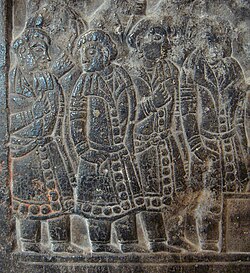
Later, during the Qing dynasty, distinct styles of clothing and social protocols were used to differentiate between Han and Manchu populations.
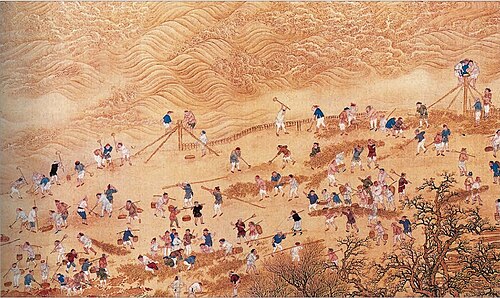
Colonial Societies and State-Led Separation
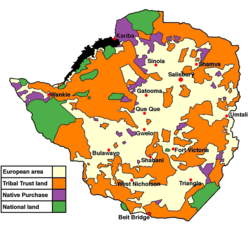
Colonial powers frequently implemented segregation to maintain control over indigenous populations. In Rhodesia, land apportionment was used to separate populations spatially.
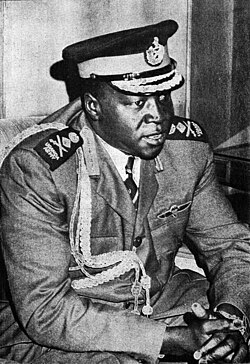
Other notable examples include the Belgian Congo and French Algeria. In Uganda, the 1972 expulsion of Asians under Idi Amin serves as a violent example of ethnic separation.
Totalitarian Regimes and the Holocaust
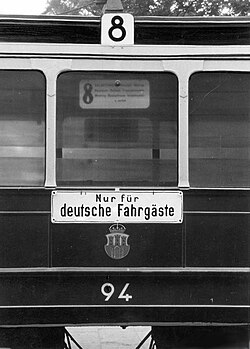
In Nazi Germany and occupied Poland, segregation was a tool of genocide. The Nazis implemented strict rules, such as designating trams "Only for German passengers" in Kraków.
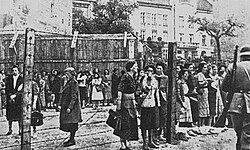
The creation of ghettos, such as the Lwów Ghetto, forcibly concentrated Jewish populations behind barbed wire, stripping them of their rights and humanity.
Case Studies in the Americas and Africa
The United States and Canada
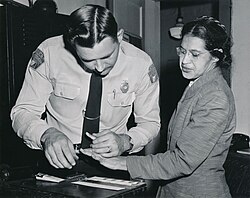
The United States experienced a long era of legalized segregation, particularly in the South. This included "Colored" facilities and the denial of basic rights, famously challenged by figures like Rosa Parks.
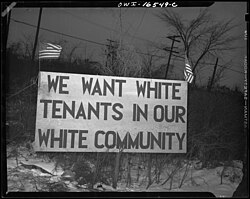
In the North, segregation often took the form of housing discrimination, where white tenants used signs and threats to prevent Black families from moving into their neighborhoods.
Canada also faced issues with the racial segregation of Black people, though the legal frameworks differed from those in the U.S.
South Africa and Apartheid
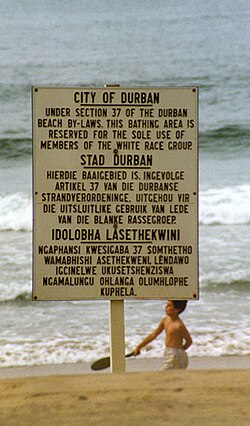
South Africa's system of apartheid was one of the most rigid forms of institutionalized segregation in history, regulating everything from beach access to residential areas.
Modern Challenges (1970s to Present)
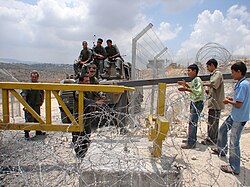
Despite global prohibitions, forms of segregation persist. In the West Bank, barrier gates have been used to restrict movement.
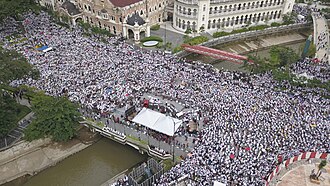
Other contemporary reports of segregation or systemic discrimination have emerged from countries including Bahrain, Fiji, Hungary, Kenya, Liberia, Mauritania, and Yemen. In Malaysia, protests have occurred regarding the ratification of the International Convention on the Elimination of All Forms of Racial Discrimination (ICERD).
Summary of Segregation Types
| Type | Driver | Example | Legal Status |
|---|---|---|---|
| De Jure | Law/Government Policy | Apartheid in South Africa | Generally Illegal |
| De Facto | Social/Economic Custom | Residential redlining | Often Unregulated |
| Voluntary | In-group Preference | Minority language schools | Generally Permitted |
Frequently Asked Questions
What is the difference between segregation and discrimination?
While discrimination is the unfair treatment of a person based on a characteristic, segregation is the specific act of physically or institutionally separating groups of people.
Is voluntary separation considered segregation?
According to the European Commission against Racism and Intolerance, voluntary separation based on personal preference does not constitute segregation, as it lacks the element of forced separation without justification.
How is segregation viewed under international law?
Under the 2002 Rome Statute of the International Criminal Court, systemic racial segregation can be classified as a crime against humanity or the crime of apartheid.
What is de facto segregation?
De facto segregation occurs when people are separated by social, economic, or cultural factors—such as income inequality or neighborhood customs—rather than by explicit laws.
Can language-based schooling be considered segregation?
The UN Forum on Minority Issues states that if the assignment to schools providing education in minority languages is voluntary, it is not considered impermissible segregation.