Civil Rights Movement: The Struggle for Racial Equality in America
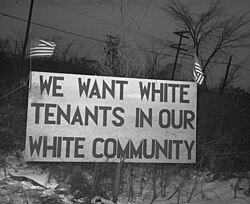
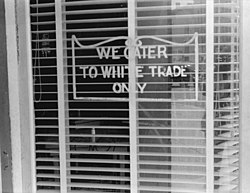
The Civil Rights Movement was a pivotal era in United States history, spanning from May 17, 1954, to April 11, 1968. Driven by a desire to end systemic racism, racial segregation, and the disenfranchisement of Black citizens, the movement sought to dismantle the Jim Crow laws—state and local laws that enforced racial segregation in the Southern United States.
Through a combination of strategic nonviolence, civil disobedience, and legal challenges, activists fought against socioeconomic inequality to secure basic human rights and full citizenship for African Americans.
Key Facts
- Timeline: May 17, 1954 – April 11, 1968.
- Primary Goal: Ending racial segregation and securing voting rights.
- Core Methods: Nonviolent resistance and civil disobedience.
- Major Legal Victory: Brown v. Board of Education (1954) overturned the "separate but equal" doctrine.
- Landmark Legislation: The Civil Rights Act of 1964 and the Voting Rights Act of 1965.
- Key Figures: Martin Luther King Jr., Rosa Parks, John Lewis, and Bayard Rustin.
The Path to Equality: From Legal Battles to Grassroots Action
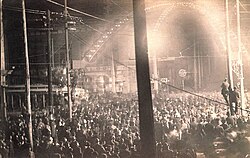
![Lynching victim Will Brown, who was mutilated and burned during the Omaha, Nebraska race riot of 1919. Postcards and photographs of lynchings were popular souvenirs in the U.S.[13]](/images/53/c8/53c82e6a57506ed019ee6b77f698760c02ffaa5d26a4b023546749d2df2d931d.jpg)
The Legal Foundation and Early Spark
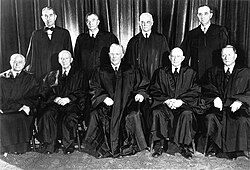
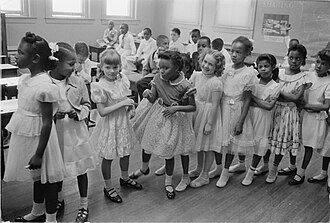
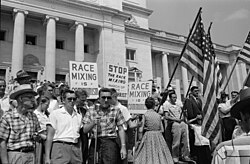
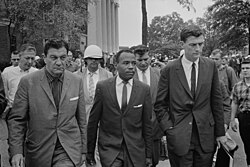
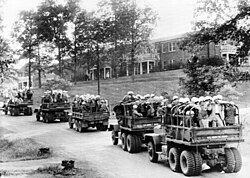
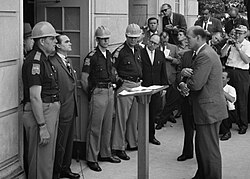
The modern movement gained momentum with the 1954 Supreme Court ruling in Brown v. Board of Education, which declared that racial segregation in public schools was unconstitutional. This decision challenged the long-standing "separate but equal" doctrine that had justified segregation for decades.
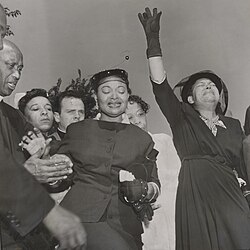
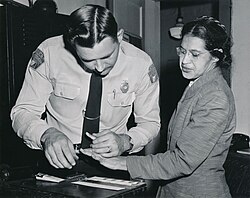
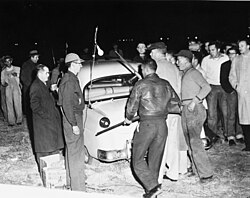
The brutality of racism was starkly highlighted by the 1955 murder of Emmett Till, a teenager killed after being accused of offending a white woman. This tragedy, alongside the courage of Rosa Parks—who refused to give up her bus seat to a white passenger in 1955—ignited widespread protests and the Montgomery bus boycott.
Nonviolent Resistance and Direct Action
Activists adopted nonviolence as a primary tactic, training participants to resist oppression without resorting to physical force. This approach manifested in several high-profile campaigns:
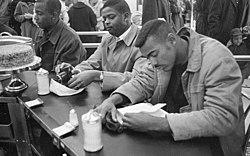
- Sit-ins (1958–1960): Students occupied "white-only" lunch counters to protest segregation.
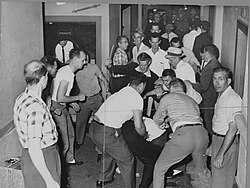
- Freedom Rides (1961): Activists rode interstate buses into the segregated South to challenge the non-enforcement of Supreme Court rulings.
- The Birmingham Campaign (1963): A series of protests that drew international attention to the violence of segregationists.
The March on Washington and Legislative Triumph
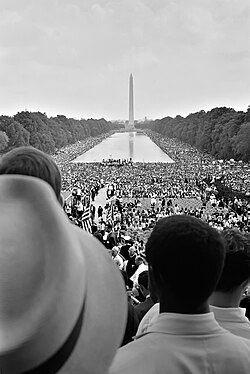
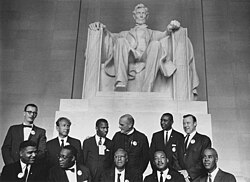
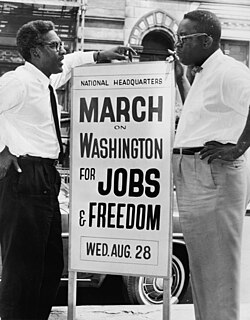
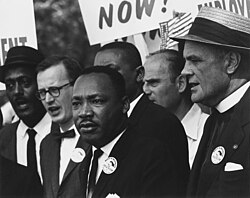
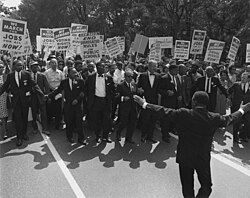
On August 28, 1963, the March on Washington for Jobs and Freedom brought hundreds of thousands of people to the National Mall. Led by figures like Martin Luther King Jr., A. Philip Randolph, and Bayard Rustin, the march demanded meaningful civil rights legislation and economic justice.
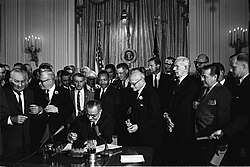
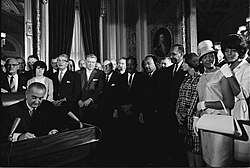
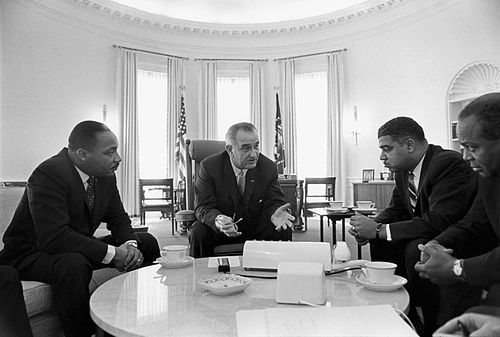
The pressure from these movements led President Lyndon B. Johnson to sign the Civil Rights Act of 1964, which outlawed discrimination based on race, color, religion, sex, or national origin. This was followed by the Voting Rights Act of 1965, which aimed to overcome legal barriers at the state and local levels that prevented African Americans from exercising their right to vote.
Challenges, Riots, and the Movement's Evolution
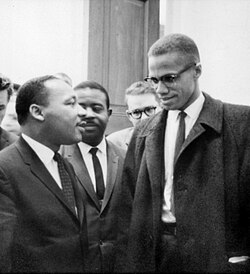
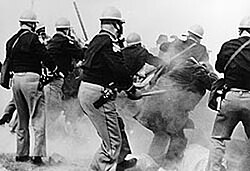
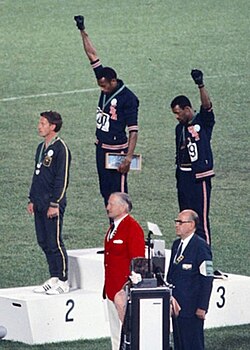
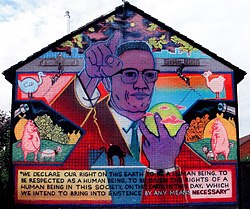
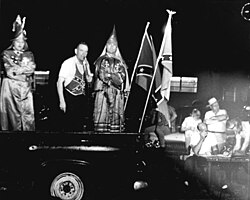
Despite legislative wins, the movement faced violent opposition from white segregationists and the Ku Klux Klan. The mid-1960s saw a shift in the movement's landscape, with the rise of "Black Power" militants and the influence of Malcolm X, who offered a different perspective on Black liberation compared to King's nonviolent philosophy.
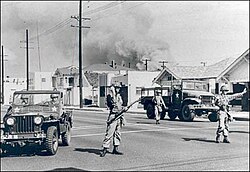
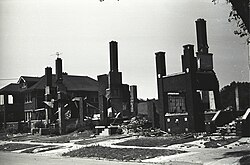
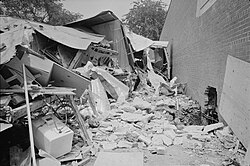
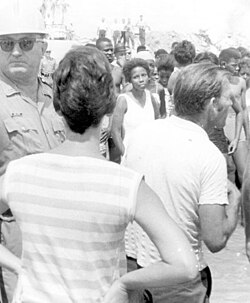
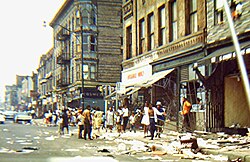
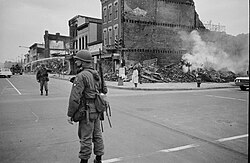
Socioeconomic frustrations and police brutality led to nationwide riots between 1965 and 1967, most notably in Watts (Los Angeles), Newark, and Detroit. These events highlighted the deep-seated poverty and urban inequality that laws alone could not fix.
The era reached a tragic turning point on April 11, 1968, with the assassination of Martin Luther King Jr. in Memphis, which sparked further riots but also led to the passage of the Civil Rights Act of 1968 (the Fair Housing Act).
Summary of Major Outcomes
| Category | Achievement | Year | Impact |
|---|---|---|---|
| Judiciary | Brown v. Board of Education | 1954 | Ended school segregation |
| Legislation | Civil Rights Act of 1964 | 1964 | Banned discrimination in public places/employment |
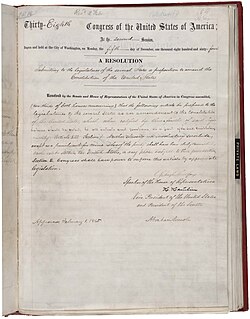
| Constitution | 24th Amendment | 1964 | Banned poll taxes in federal elections |
| Legislation | Voting Rights Act | 1965 | Protected voting rights for minorities |
| Judiciary | Loving v. Virginia | 1967 | Legalized interracial marriage |
| Legislation | Fair Housing Act | 1968 | Prohibited housing discrimination |
Frequently Asked Questions

![Attorney General Robert F. Kennedy speaking before a hostile civil rights crowd protesting low minority hiring in his Justice Department, June 14, 1963[252]](/images/f3/b5/f3b5f8270740cafa9226b8f3b7441fec460a0c5d6f999b2f892182c101225cab.jpg)
What were Jim Crow laws?
Jim Crow laws were state and local laws in the United States, primarily in the South, that mandated racial segregation in all public facilities, including schools, transportation, and restaurants.
What was the significance of the 1963 March on Washington?
The March on Washington was a massive protest for jobs and freedom that pressured the federal government to pass comprehensive civil rights legislation and provided a global platform for Martin Luther King Jr.'s vision of equality.
How did the movement use nonviolence?
Nonviolence involved tactics such as sit-ins, boycotts, and peaceful marches. The goal was to expose the injustice and violence of segregation to the public without using violence themselves, thereby gaining moral authority and political support.
Who were the Freedom Riders?
The Freedom Riders were activists who rode interstate buses into the segregated Southern United States in 1961 to challenge the non-enforcement of Supreme Court rulings that declared segregated buses unconstitutional.
What was the result of the Brown v. Board of Education case?
The U.S. Supreme Court ruled unanimously that racial segregation in public schools was unconstitutional, overturning the "separate but equal" doctrine and paving the way for school integration.