Civil Rights Movement: The Struggle for Equality in America (1954–1968)
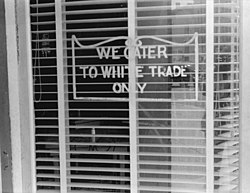
The Civil Rights Movement was a pivotal era in United States history, spanning from 1954 to 1968. Driven by a desire to end systemic racism, racial segregation, and the disenfranchisement of Black citizens, the movement sought to dismantle the Jim Crow laws—state and local laws that enforced racial segregation in the Southern United States.
Through a combination of legal challenges, nonviolent resistance, and grassroots organizing, activists fought against socioeconomic inequality to secure the basic constitutional rights promised to all Americans.
Key Facts
- Timeline: May 17, 1954, to April 11, 1968.
- Primary Methods: Nonviolence, civil disobedience, and nonviolent resistance.
- Core Goals: Ending segregation, securing voting rights, and achieving fair housing and employment.
- Major Legal Victory: Brown v. Board of Education (1954) overturned the "separate but equal" doctrine.
- Landmark Legislation: The Civil Rights Act of 1964 and the Voting Rights Act of 1965.
The Foundations of the Struggle
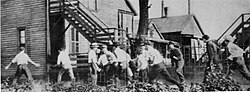
The movement emerged from a long history of oppression following the American Civil War and the Reconstruction era. Despite the abolition of slavery, the post-Reconstruction period saw a rise in disenfranchisement and racial violence, including widespread lynching.
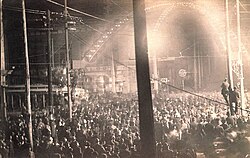
![Lynching victim Will Brown, who was mutilated and burned during the Omaha, Nebraska race riot of 1919. Postcards and photographs of lynchings were popular souvenirs in the U.S.[13]](/images/53/c8/53c82e6a57506ed019ee6b77f698760c02ffaa5d26a4b023546749d2df2d931d.jpg)
The Legal Spark: Brown v. Board of Education
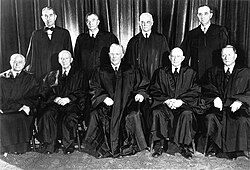
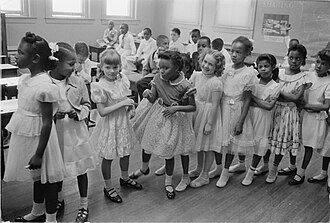
The modern era of the movement began in 1954 with the Supreme Court ruling in Brown v. Board of Education. This landmark decision declared that racial segregation in public schools was unconstitutional, effectively overturning the "separate but equal" doctrine that had allowed segregation to persist for decades.
Catalysts for Action (1955–1960)
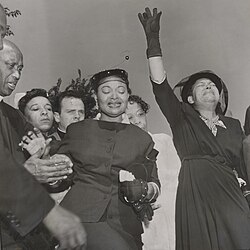
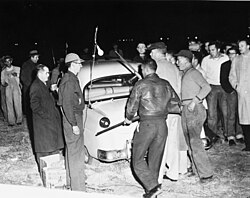
While legal victories provided a framework, grassroots tragedies and acts of defiance galvanized the public. The 1955 murder of Emmett Till, a teenager killed by white men in Mississippi, brought international attention to the brutality of racism in the South.
The Montgomery Bus Boycott
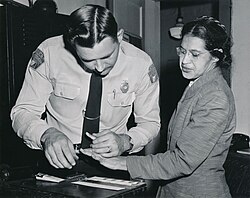
In December 1955, Rosa Parks was arrested for refusing to give up her seat to a white passenger on a bus in Montgomery, Alabama. This act of defiance sparked the Montgomery bus boycott, which lasted over a year and brought Martin Luther King Jr. to national prominence as a leader of nonviolent protest.
Integration and Student Activism
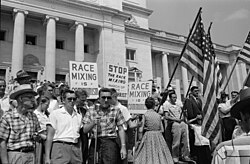
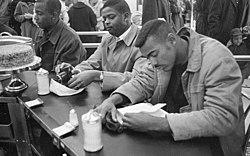
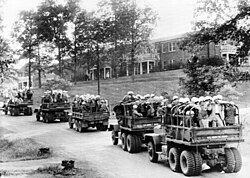
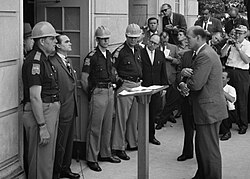
The struggle for school integration faced violent opposition, most notably with the "Little Rock Nine" in 1957. By the late 1950s, the movement expanded as students began organizing sit-ins—a form of civil disobedience where protesters sat at "white-only" lunch counters to challenge segregation.
Escalation and National Mobilization (1961–1964)
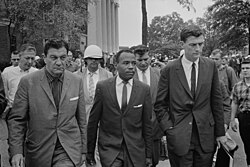
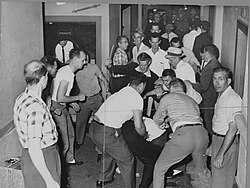
The 1960s saw an intensification of tactics. The Freedom Rides of 1961 aimed to test the enforcement of federal rulings banning segregation on interstate buses, often resulting in violent clashes with pro-segregation mobs.
The Birmingham Campaign and the March on Washington
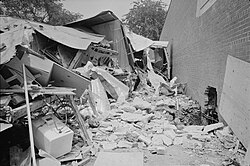
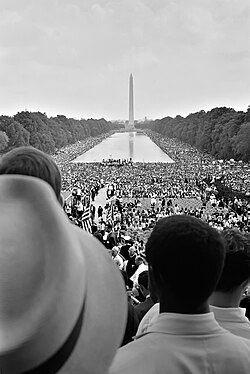
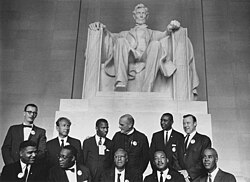
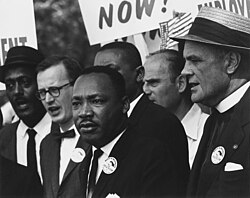
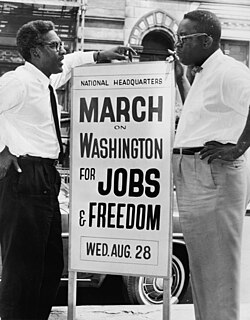
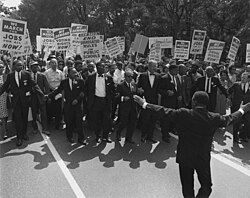
In 1963, the Birmingham campaign used nonviolent protests to pressure the city to desegregate. This period was marked by extreme tension, including the bombing of the Gaston Motel. Later that year, the March on Washington for Jobs and Freedom brought hundreds of thousands of people to the National Mall, where Martin Luther King Jr. delivered his iconic vision of racial harmony.
Legislative Triumphs
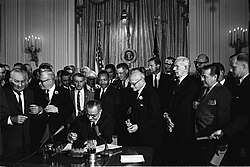
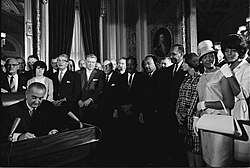
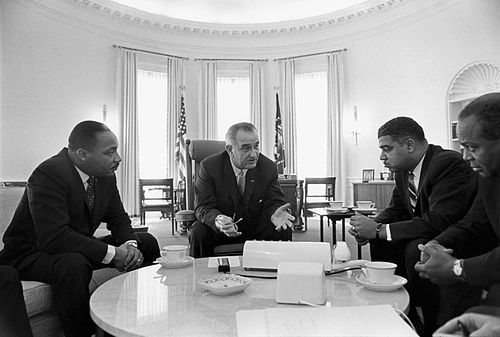
The pressure from activists and the support of the federal government under President Lyndon B. Johnson led to the Civil Rights Act of 1964. This law outlawed discrimination based on race, color, religion, sex, or national origin and ended segregation in public places.
The Fight for Voting Rights and Fair Housing (1965–1968)
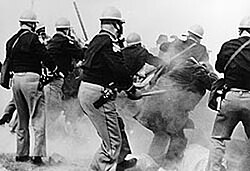
Despite the 1964 Act, Black citizens in the South still faced immense barriers to voting. The Selma to Montgomery marches, including the violent "Bloody Sunday," highlighted this struggle and led to the Voting Rights Act of 1965.
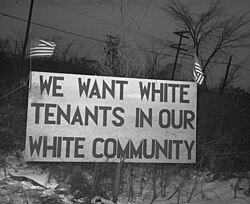
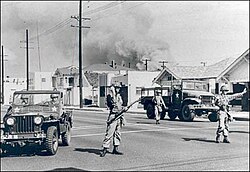
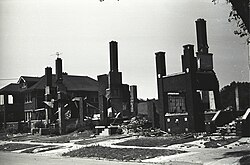
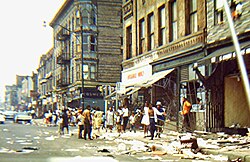
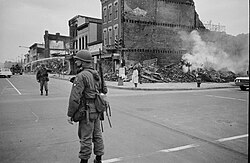
As the movement shifted focus toward the North and West, it addressed fair housing and economic inequality. However, this period also saw a rise in urban unrest, with major riots in Watts, Newark, and Detroit between 1965 and 1967.
The movement's primary era concluded with the assassination of Martin Luther King Jr. in Memphis on April 4, 1968. In the aftermath, the Civil Rights Act of 1968 (also known as the Fair Housing Act) was passed to prohibit discrimination in the sale, rental, and financing of housing.
Summary of Major Outcomes
| Category | Achievement | Year | Impact |
|---|---|---|---|
| Judiciary | Brown v. Board of Education | 1954 | Overturned "separate but equal" in schools |
| Legislation | Civil Rights Act of 1964 | 1964 | Ended legal segregation in public places |
| Legislation | Voting Rights Act of 1965 | 1965 | Removed barriers to Black voter registration |
| Legislation | Civil Rights Act of 1968 | 1968 | Banned housing discrimination |
| Judiciary | Loving v. Virginia | 1967 | Legalized interracial marriage |
Frequently Asked Questions
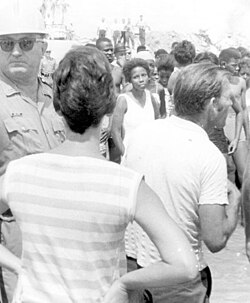

![Attorney General Robert F. Kennedy speaking before a hostile civil rights crowd protesting low minority hiring in his Justice Department, June 14, 1963[252]](/images/f3/b5/f3b5f8270740cafa9226b8f3b7441fec460a0c5d6f999b2f892182c101225cab.jpg)
What were Jim Crow laws?
Jim Crow laws were state and local laws in the United States, primarily in the South, that mandated racial segregation in all public facilities and disenfranchised Black voters.
What was the role of nonviolence in the movement?
Nonviolence was a strategic method of resistance used to expose the brutality of segregation to the world, gain moral authority, and pressure the federal government to enact legislative changes without resorting to armed conflict.
Who were the Freedom Riders?
The Freedom Riders were activists who rode interstate buses into the segregated Southern United States to challenge the non-enforcement of Supreme Court rulings that declared segregated buses unconstitutional.
How did the Civil Rights Act of 1964 change the U.S.?
The Act outlawed discrimination based on race, color, religion, sex, or national origin and ended the legal basis for segregation in schools, workplaces, and public accommodations.
What was the significance of the Voting Rights Act of 1965?
This act prohibited racial discrimination in voting, banning literacy tests and other discriminatory practices that had been used to prevent Black citizens from exercising their right to vote.