Preservation Hall: The Heart of Traditional New Orleans Jazz
Located on St Peter Street in the historic French Quarter of New Orleans, Louisiana, Preservation Hall stands as one of the most iconic jazz venues in the world. More than just a performance space, it is a cultural institution associated with a dedicated house band, a record label, and a non-profit foundation. Today, the hall continues to attract approximately 180,000 visitors annually who come to experience the raw, authentic sound of traditional New Orleans jazz.
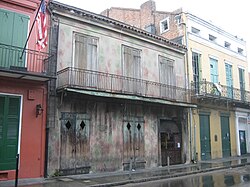
Key Facts
- Opened: May 1961.
- Location: French Quarter, New Orleans, USA.
- Annual Visitors: Approximately 180,000.
- Focus: Traditional New Orleans jazz and musical education.
- Organization: Supported by the 501(c)(3) Preservation Hall Foundation.
The History of Preservation Hall
From Art Gallery to Jazz Hub
The origins of the venue date back to the 1950s, when Milwaukee art dealer Larry Borenstein operated an art gallery called Associated Artists in the French Quarter. To draw more foot traffic into the gallery, Borenstein invited local jazz musicians to perform for tips. Over time, the music became the primary attraction, overshadowing the art on the walls. In May 1961, management was transferred to Barbara Reid and Ken Grayson Mills, who officially transformed the space into a music venue and named it "Preservation Hall."
The Jaffe Era and Global Influence
In September 1961, management passed to Allan Jaffe and his wife Sandra. The couple, originally from Pennsylvania, had fallen in love with the French Quarter during their honeymoon. Allan Jaffe, a tuba player and graduate of the Wharton School of Business, sought to preserve the authentic sound of the city by hiring local musicians, many of whom were in their 60s to 90s and had faced significant hardships due to poverty, illness, and racism.
During the early years, the Jaffes maintained a strict philosophy: they used no amplification, served no alcohol, and avoided traditional advertising. By 1963, Allan Jaffe began organizing international tours to bring New Orleans jazz to a global audience. These tours featured legendary musicians such as pianist Sweet Emma Barrett, trumpeter Kid Thomas Valentine, pianist Billie Pierce, and trumpeter De De Pierce, as well as the Humphrey brothers, Percy and Willie. Among them, clarinetist George Lewis became one of the most renowned figures, drawing fans from across the globe to the hall.
The Preservation Hall Foundation
To ensure the longevity of the genre, the Preservation Hall Foundation was established as a 501(c)(3) non-profit organization. The foundation focuses on educational initiatives and the preservation of musical history. Its core activities include:
- Providing private lessons for youth taught by professional New Orleans jazz musicians.
- Coordinating group lessons via the Preservation Hall Junior Jazz Band.
- Hosting workshops during official Preservation Hall Jazz Band tours.
- Maintaining the extensive Preservation Hall archives.
The foundation also offers the Preservation Hall Foundation Brass Bandbook, a free online resource for students and educators. This resource includes sheet music for traditional staples such as "Bourbon Street Parade," "Just a Closer Walk with Thee," "Lil' Liza Jane," and "Down by the Riverside," among others.
Quick Reference Summary
| Category | Details |
|---|---|
| Established | May 1961 |
| Founding Figure | Larry Borenstein |
| Key Managers | Allan and Sandra Jaffe |
| Notable Musicians | George Lewis, Sweet Emma Barrett, Kid Thomas Valentine |
| Educational Tool | Brass Bandbook |
Frequently Asked Questions
When did Preservation Hall open?
Preservation Hall officially opened as a music venue in May 1961.
Who were some of the notable musicians associated with the hall?
Key figures included clarinetist George Lewis, pianist Sweet Emma Barrett, trumpeter Kid Thomas Valentine, and the Humphrey brothers, Percy and Willie.
What is the purpose of the Preservation Hall Foundation?
The foundation is a non-profit dedicated to educational initiatives, including youth music lessons, workshops, and the maintenance of jazz archives.
What is the Brass Bandbook?
The Brass Bandbook is a free online learning resource provided by the foundation for music educators and students, featuring traditional New Orleans songs.
How did the venue start?
It began as an art gallery called Associated Artists, managed by Larry Borenstein, who hired jazz musicians to attract customers to the gallery.