Mardi Gras in New Orleans
Mardi Gras, the vibrant and storied Carnival celebration of New Orleans, Louisiana, is more than just a party; it is a cultural cornerstone of the Gulf South. Held annually on the day before Ash Wednesday, this festival transforms the French Quarter and surrounding neighborhoods into a kaleidoscope of color, music, and revelry. From its early Catholic roots to its modern-day status as a global attraction, Mardi Gras reflects the resilience and eclectic spirit of New Orleans.
The celebration is defined by its Krewes—social organizations that organize the elaborate parades and balls that characterize the season. While the festivities are known for their exuberance, they are also deeply tied to the city's economic survival and social history.
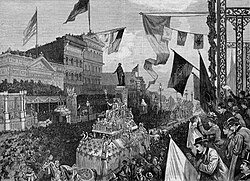
Key Facts
- First Record: Celebrated in Louisiana on March 2, 1699, by Iberville, Bienville, and their men.
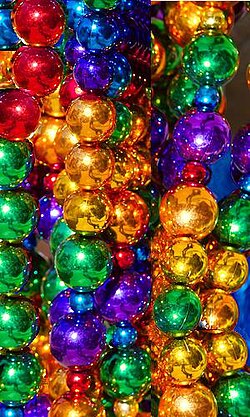
- Official Colors: Purple, green, and gold.
- Key Traditions: Parades, masking, costuming, and the throwing of "throws" (trinkets) to crowds.
- Iconic Throws: The Zulu Coconut, also known as the Golden Nugget.
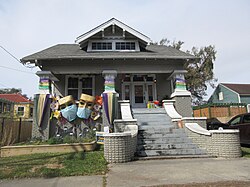
- Modern Adaptation: The rise of "Yardi Gras" (house floats) during the 2021 pandemic.
The History of Carnival in Louisiana
Early Beginnings
The origins of Mardi Gras in the region date back to the late 17th century. The first recorded celebration occurred at the mouth of the Mississippi River in what is now lower Plaquemines Parish in 1699. By 1730, accounts describe festivities involving music, dance, and masking, including the practice of cross-dressing. By 1743, Carnival balls had become an established custom.
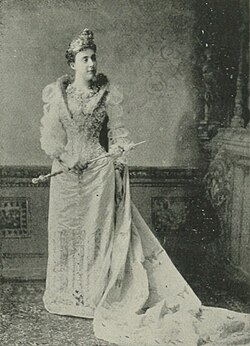
Evolution of the 20th Century
As the festival grew, it became a complex intersection of tradition and civic law. In 1991, the New Orleans City Council passed an ordinance requiring Krewes to certify they did not discriminate based on race, religion, gender, or sexual orientation to receive parade permits. This led to a conflict over the traditional secrecy of these private organizations. In protest, historic krewes such as Comus and Momus ceased parading, while Proteus suspended its parade until 2000.
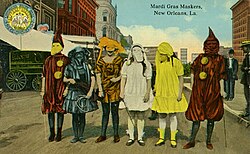
Modern Challenges and Resilience
Hurricane Katrina and Recovery
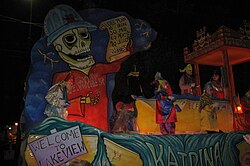
The devastation of Hurricane Katrina on August 29, 2005, led some to question if Mardi Gras could continue. However, the economic importance of Carnival proved vital to the city's revival. In 2006, parades returned, though many were restricted to the Saint Charles Avenue and Canal Street routes to avoid severely flooded areas like Mid-City.
Safety and the Tandem Float Ban
Safety concerns led to significant policy changes in 2020. After two separate fatalities occurred when parade attendees were struck by "tandem floats" (multiple floats towed by a single vehicle), city officials implemented an immediate ban on tandem floats, restricting vehicles to a single float only.
The COVID-19 Pandemic and "Yardi Gras"
The 2020 season coincided with the early spread of COVID-19, with the first Louisiana case reported shortly after the festivities ended. In 2021, for the first time since the 1979 police strike, large-scale parades were prohibited. This led to the emergence of Yardi Gras, where residents decorated their homes as "house floats." This movement was popularized by Megan Boudreaux and the subsequent "Krewe of House Floats."
Parades returned in 2022 with modified routes and health protocols, including vaccination requirements or negative tests for participants. Some krewes, such as the Krewe de Jeanne D'Arc, ceremonially marked the return by having marchers in plague doctor outfits "sweep the plague away."
Traditions and Symbols
Colors and Aesthetics
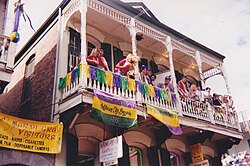
The traditional colors of Mardi Gras are purple, green, and gold. Historian Errol Laborde theorized that these were chosen by the Rex organization because they could be arranged in a tricolor that follows the rule of tincture.

Throws and the Zulu Coconut
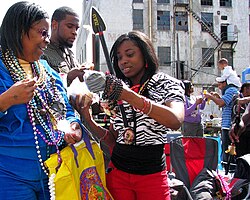
"Throws" are the trinkets tossed from floats to the crowds. While beads are the most common, the Zulu Coconut (or Golden Nugget) is one of the most coveted. Originally starting as painted walnuts in the early 20th century, the Krewe of Zulu switched to coconuts in the 1920s. Due to injury risks, the city forbade throwing them in 1988; they are now handed to onlookers.
Other Notable Traditions
- Flambeaux Carriers: Torch-bearers who traditionally lit the way for nighttime parades.
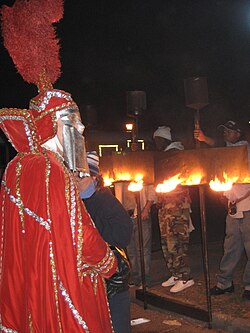
Carriers with lit flambeaux on Napoleon Avenue, just before the start of a parade, 2007 - Rex: The "Monarch of Mardi Gras," whose pageant is a centerpiece of Mardi Gras Day.
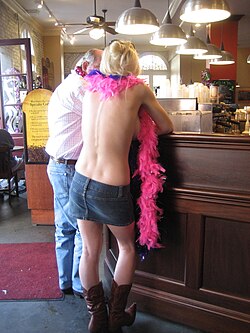
- Ritual Disrobement: A late 20th-century phenomenon where women bare their breasts in exchange for beads.
Mardi Gras Summary
| Feature | Details |
|---|---|
| Frequency | Annual (Day before Ash Wednesday) |
| Primary Locations | French Quarter, St. Charles Avenue, Canal Street |
| Traditional Colors | Purple, Green, Gold |
| Key Organizations | Krewes (e.g., Rex, Zulu, Endymion, Muses) |
| Unique Traditions | House Floats (Yardi Gras), Zulu Coconuts, Flambeaux |
Frequently Asked Questions
What are the official colors of Mardi Gras and what do they mean?
The official colors are purple, green, and gold. Historian Errol Laborde suggests these were chosen by Rex to follow the rule of tincture in a tricolor arrangement.
What is a "Zulu Coconut"?
The Zulu Coconut, also known as the Golden Nugget, is a highly sought-after throw from the Krewe of Zulu. Originally painted walnuts, they became coconuts in the 1920s and are now handed out rather than thrown for safety reasons.
What is "Yardi Gras"?
Yardi Gras is the practice of decorating homes as parade floats. This tradition emerged in 2021 as a creative alternative when the city prohibited traditional parades due to the COVID-19 pandemic.
Why did some Krewes stop parading in the 1990s?
In 1991, a city ordinance required Krewes to certify non-discrimination to get permits. Some 19th-century krewes, like Comus and Momus, stopped parading in protest when the city demanded their private membership lists.
How did Hurricane Katrina affect Mardi Gras?
While some questioned the future of the event after the 2005 storm, the economic importance of Carnival was critical for the city's revival. The 2006 parades continued, though routes were restricted to areas that escaped significant flooding.