Exploring the Portuguese Republic: A Journey Through History, Culture, and Geography
Located on the southwestern edge of Europe, the Portuguese Republic is a nation defined by its profound maritime history, diverse landscapes, and resilient spirit. From the ancient Roman ruins that dot its countryside to the bustling economic hubs of Lisbon and Porto, Portugal offers a unique blend of tradition and modernity. As a unitary semi-presidential republic, it stands as a significant player in the European Union, boasting a rich cultural heritage that has influenced the world for centuries.
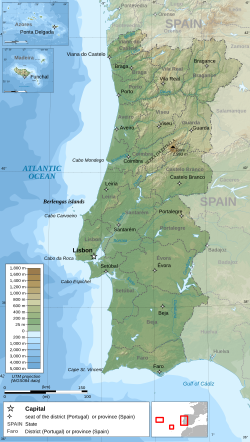
Key Facts
- Capital: Lisbon
- Official Language: Portuguese
- Currency: Euro (€)
- Total Area: 92,225 km²
- Government Type: Unitary semi-presidential republic
- Human Development Index (HDI): 0.890 (Very High)
A Legacy Forged in Time
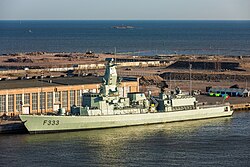
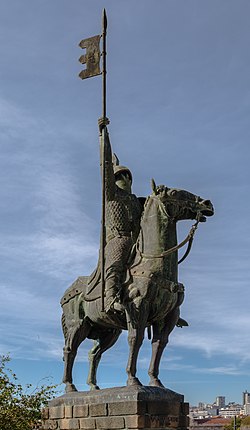
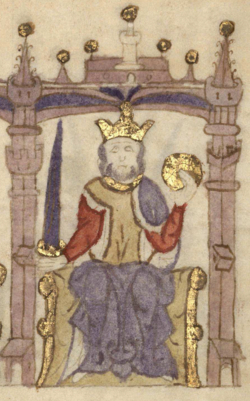
The history of Portugal is a tapestry of battles, discoveries, and political transformations. The nation's foundations were solidified through pivotal moments such as the Battle of São Mamede in 1128 and the Battle of Ourique in 1139. Following the Conference of Zamora in 1143 and subsequent Papal recognition in 1179, Portugal emerged as a distinct entity.
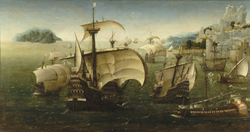
One of the most celebrated eras in Portuguese history was the Age of Discovery, a period when Portuguese explorers ventured across the oceans, forever changing global trade and geography. This era of maritime prowess was later followed by the Iberian Union and the eventual Restoration on December 1, 1640.
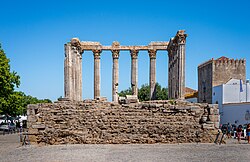
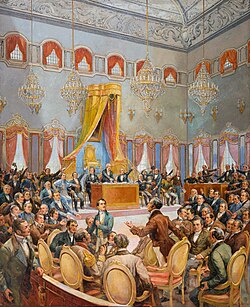
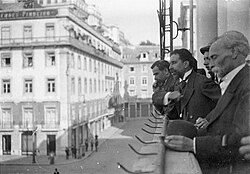
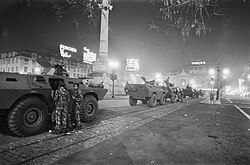
The path to modern democracy was marked by significant shifts, including the adoption of the first constitution in 1822, the establishment of the Republic on October 5, 1910, and the crucial democratization process following the events of April 25, 1974. Today, the nation operates under its current constitution, established on April 25, 1976.
Geography and Natural Beauty
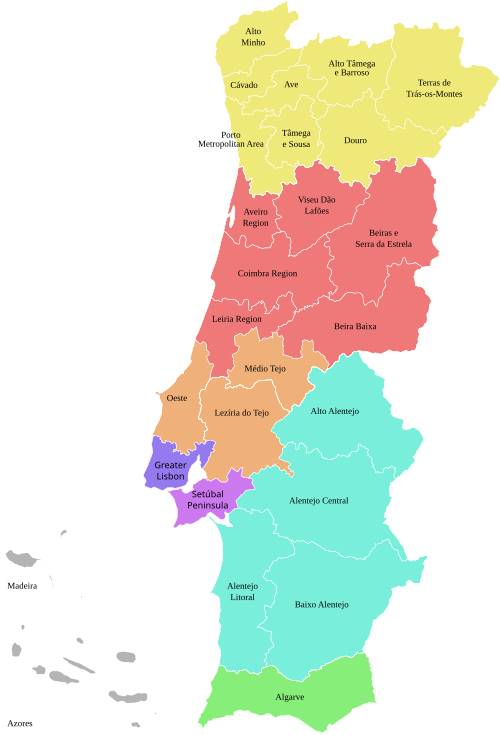
Portugal's landscape is incredibly varied, ranging from the rugged northern territories to the sun-drenched southern Algarve. The country is divided into several administrative regions, including the North, Centre, Greater Lisbon, Setúbal Peninsula, Alentejo, and the Algarve, alongside autonomous regions.
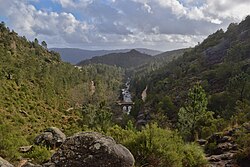
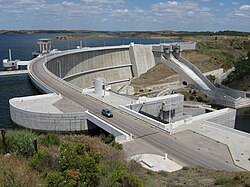
Nature lovers can find sanctuary in the Peneda-Gerês National Park, the only national park in the country. The nation's water resources are also vital, exemplified by the Alqueva Dam, which serves as one of Europe's largest strategic water reserves.
Urban Centers and Economy
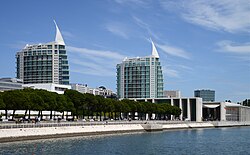
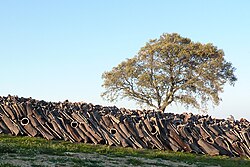
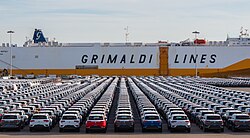
The economy of Portugal is multifaceted, supported by industries such as agriculture, fishing, and manufacturing. The country is a global leader in cork production, and its automotive sector is bolstered by major players like Volkswagen Autoeuropa. Modern economic activity is also concentrated in hubs like Parque das Nações in Lisbon.
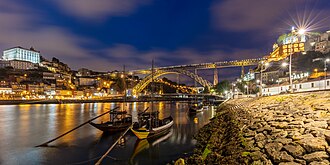
Urban life is centered around major cities. Lisbon serves as the capital and largest city, while Porto stands as the second-largest metropolitan area. These cities act as the heart of the nation's commerce, culture, and administration.
Culture, Language, and Society
![Although Portugal is overwhelmingly Catholic, the majority are non-practicing, a discrepancy that might have existed throughout its religious history.[328][329][330]](/images/5d/49/5d49ef8c14e633ec802dd07bc8ad1514f6e551ce64e1a14821df023b63a88775.jpg)
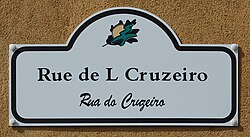
While Portuguese is the official language, the nation recognizes Portuguese Sign Language, as well as regional languages like Mirandese and Barranquenho. This linguistic diversity is a testament to the country's complex cultural identity.
Religion plays a significant role in the social fabric, though the majority of the population is non-practicing despite being overwhelmingly Catholic. The arts also flourish here, from the 15th-century masterpieces of Nuno Gonçalves to the epic literature of Luís Vaz de Camões.
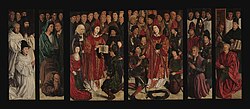
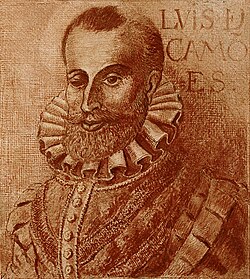
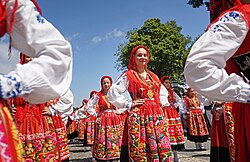
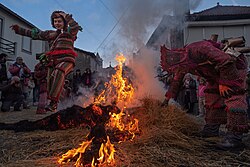
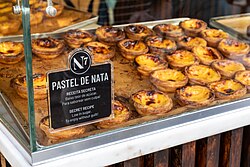
Traditions remain vibrant, seen in local festivities where women in Viana do Castelo wear family heirlooms, or the unique Caretos during the Entrudo in Vinhais. And, of course, no cultural exploration is complete without tasting the famous Pastéis de nata.
Summary of National Statistics
| Category | Details |
|---|---|
| Population (2025 Est.) | 11,424,031 |
| GDP (Nominal 2026 Est.) | $380.637 billion |
| HDI (2023) | 0.890 (Very High) |
| Time Zone | UTC +0 (Summer: UTC +1) |
| Calling Code | +351 |
Frequently Asked Questions
What is the government structure of Portugal?
Portugal is a unitary semi-presidential republic. This means the government is led by both a President and a Prime Minister, with the Assembly of the Republic serving as the legislature.
What are the official and regional languages?
The official language is Portuguese. Additionally, Portuguese Sign Language is recognized nationally, while Mirandese and Barranquenho are recognized as regional languages.
What is the largest city in Portugal?
Lisbon is the capital and the largest city in the country.
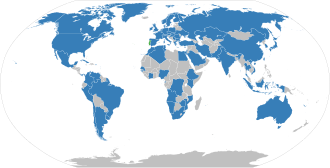
Is Portugal part of the European Union?
Yes, Portugal is a member of the European Union and uses the Euro (€) as its official currency.
What is the main economic driver in Portugal?
Portugal has a diverse economy involving industry, services, agriculture, and fisheries. It is notably a major global producer of cork and has a significant automotive manufacturing presence.