Republic of Austria
The Republic of Austria is a landlocked country in Central Europe known for its breathtaking alpine landscapes, a rich imperial history, and a profound contribution to global music and science. From its early roots as a margraviate to its current status as a high-income federal semi-presidential republic, Austria serves as a bridge between Western and Eastern Europe.
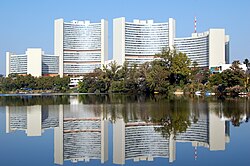
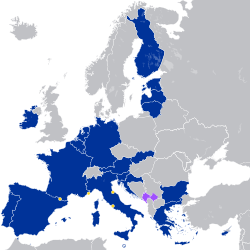
Today, Austria is a member of the European Union and the eurozone, maintaining a policy of permanent neutrality while playing a significant role in international diplomacy through the United Nations Office in Vienna.
Key Facts
- Capital: Vienna (the largest city)
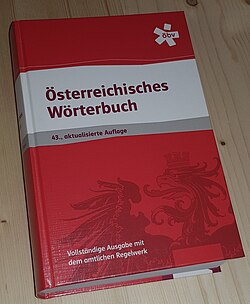
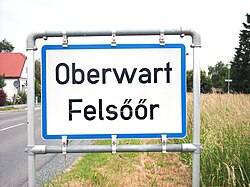
- Official Language: German (with regional languages including Hungarian, Slovene, and Burgenland Croatian)
- Government: Federal semi-presidential republic
- Currency: Euro (€)
- Population: Estimated 9,219,113 (2026)
- GDP per capita (Nominal): $67,761 (2026 estimate)
- HDI: 0.930 (Very High)
History: From Antiquity to the Modern Republic
Prehistory and the Roman Era
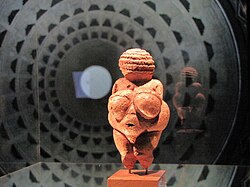
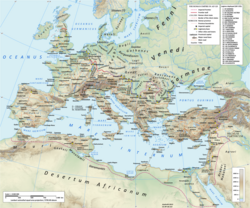
Austria's human history stretches back to prehistory, evidenced by artifacts like the Venus of Willendorf. During antiquity, the region was inhabited by Celts before being integrated into the Roman Empire. Provinces such as Noricum, Raetia, and Pannonia Superior covered much of the territory during the reign of Hadrian.
The Middle Ages and the Rise of Empires
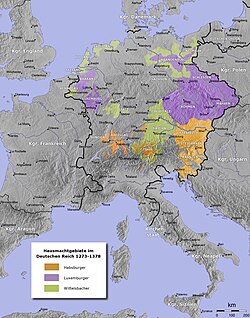
The formation of the Austrian state began around 960 as a margraviate, later becoming a duchy in 1156 and an archduchy in 1453. The Habsburg dynasty eventually rose to prominence, expanding their dominions within the Holy Roman Empire during the 14th century.
Conflict and Transformation
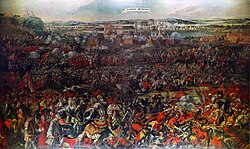
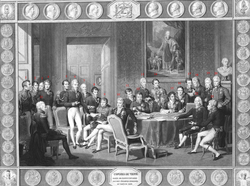
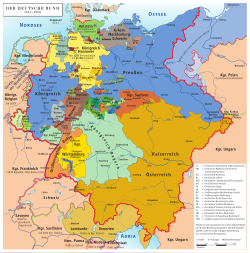
The 17th century saw a pivotal moment in 1683 during the Battle of Vienna, which halted the Ottoman Empire's advance into Europe. By the 19th century, the region navigated the upheavals of the Napoleonic Wars and the dissolution of the Holy Roman Empire, leading to the Congress of Vienna (1814–15) and the subsequent German Confederation.
The 20th Century: World Wars and Independence
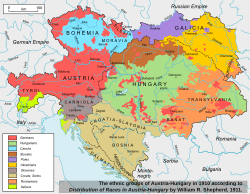
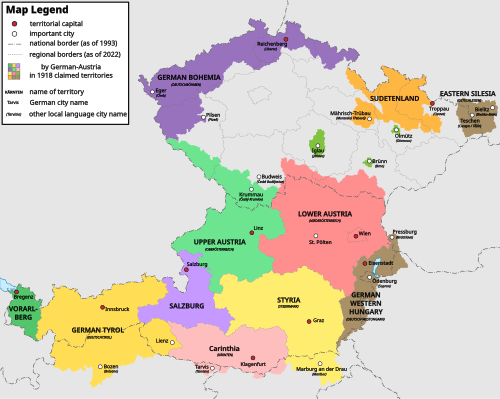
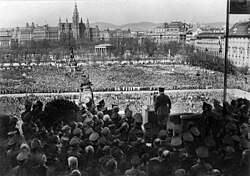
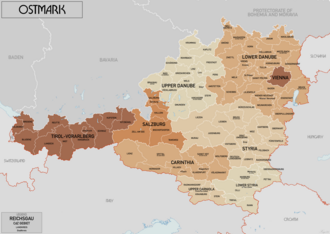
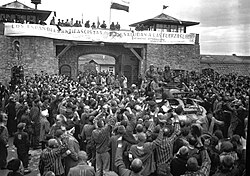
The Austro-Hungarian Empire, a multi-ethnic state, collapsed following World War I, leading to the First Republic in 1919. However, political instability culminated in the Anschluss (annexation) by Nazi Germany in 1938. Following the liberation of concentration camps like Mauthausen in 1945, the Second Republic was established. Austria regained full independence via the State Treaty of 1955.
Geography and Climate
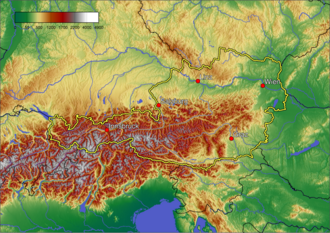
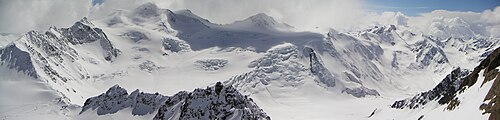
Austria is characterized by its mountainous terrain, dominated by the Alps. The highest peaks, such as the Wildspitze (3,768 metres), define the landscape of regions like Tyrolia. The country's topography varies from these glacial heights to the flatter plains of the east.
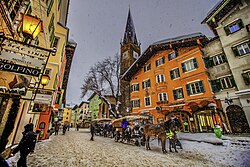
The climate is classified under the Köppen-Geiger system, featuring distinct seasonal variations that support both agriculture and a world-renowned winter tourism industry, particularly in destinations like Kitzbühel.
![Köppen-Geiger climate classification map for Austria[130]](/images/0f/51/0f51831b6b7ee23979f79374a77072f9adcc03a4e78535d48ab9bb69ac29d86a.webp)
Government and Administration
Austria operates as a federal semi-presidential republic. The executive branch is led by the President (Alexander Van der Bellen) and the Chancellor (Christian Stocker). The legislature is a bicameral Parliament consisting of the National Council (lower house) and the Federal Council (upper house).
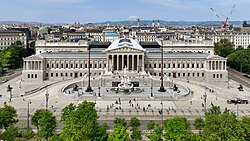
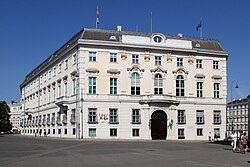
The country is divided into nine states, each with its own capital and administrative focus. Vienna serves as both the national capital and a state in its own right.
| State | Capital | Population (2025) | GDP (Billion €) | GDP per capita (€) |
|---|---|---|---|---|
| Burgenland | Eisenstadt | 301,790 | 10.454 | 34,900 |
| Carinthia | Klagenfurt | 570,095 | 24.755 | 43,600 |
| Lower Austria | Sankt Pölten | 1,727,514 | 71.757 | 41,900 |
| Salzburg | Salzburg | 572,846 | 33.330 | 58,900 |
| Styria | Graz | 1,271,716 | 56.152 | 44,600 |
| Tyrol | Innsbruck | 777,660 | 39.328 | 51,200 |
| Upper Austria | Linz | 1,535,519 | 76.780 | 50,700 |
| Vienna | Vienna | 2,028,289 | 110.992 | 56,600 |
| Vorarlberg | Bregenz | 411,784 | 23.588 | 58,300 |
Foreign Relations and Defence
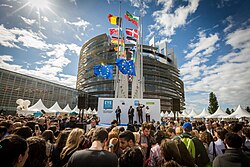
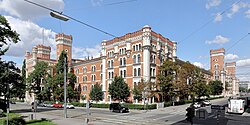
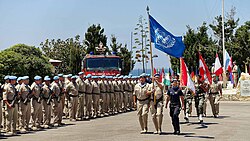
Austria is a neutral country. Its military focus is primarily on peacekeeping missions, often collaborating with the United Nations (e.g., UNIFIL). Politically, it is deeply integrated into the European Union, having joined in 1995.
Economy and Infrastructure
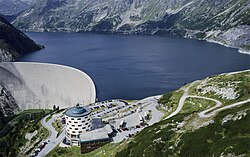
Austria possesses a highly developed economy with a strong emphasis on the single market and the eurozone. Key infrastructure projects, such as the Kölnbrein Dam in Carinthia, highlight the country's investment in energy and engineering.
Demographics and Society
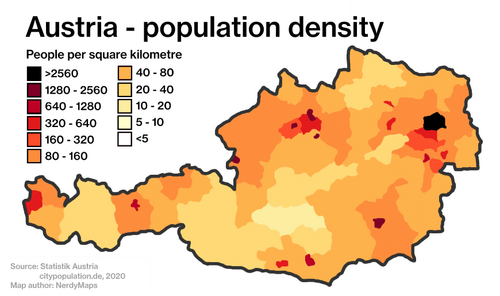
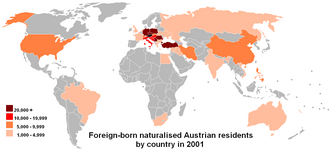
The population is predominantly Austrian (72.2%), with a significant percentage of foreign-born residents. While German is the official language, the state recognizes regional languages to accommodate its ethnic diversity.
Religion and Education
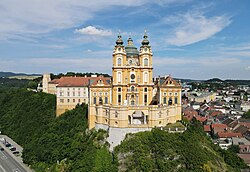
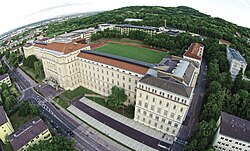
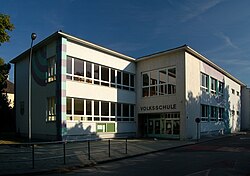
Christianity remains the most prevalent religion (68.2%), with Catholicism being the largest denomination. However, a growing portion of the population identifies as having no religion. The education system is robust, featuring historic institutions like the Stiftsgymnasium Melk.
Culture, Science, and Lifestyle
Arts and Music
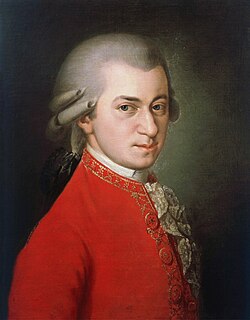
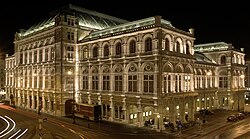
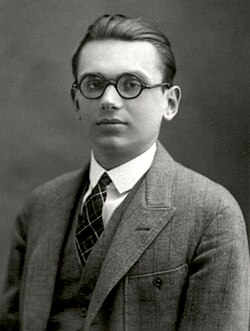
Austria is globally renowned for its musical heritage, producing legends such as Wolfgang Amadeus Mozart and hosting the prestigious Vienna State Opera. The country's intellectual history is equally impressive, with figures like Kurt Gödel contributing significantly to philosophy and science.
Cuisine and Sports
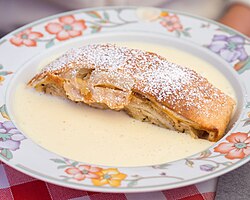
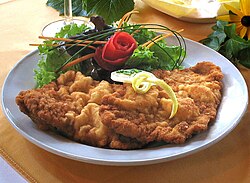
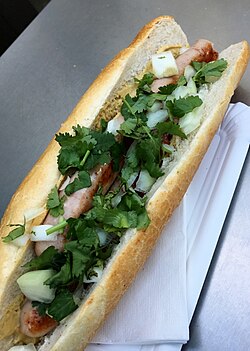
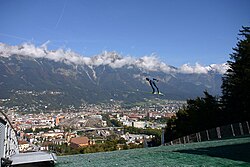
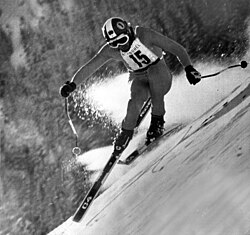
Austrian cuisine is characterized by hearty dishes such as Wiener Schnitzel, Apple Strudel, and street foods like Bosna. In sports, Austria is a powerhouse in winter athletics; Innsbruck has hosted the Winter Olympics multiple times, and athletes like Franz Klammer have achieved legendary status in ski racing.
Frequently Asked Questions
What is the official language of Austria?
The official language is German. Additionally, Hungarian, Slovene, and Burgenland Croatian are recognized as official regional languages.
What is the status of Austria's military?
Austria is a neutral country. Consequently, its defence strategy focuses on peacekeeping expertise and missions conducted through the United Nations.
Which city is the capital of Austria?
Vienna is the capital and the largest city of Austria.
When did Austria join the European Union?
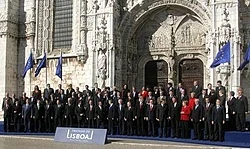
Austria joined the European Union in 1995 and later signed the Lisbon Treaty in 2007.
What are some traditional Austrian foods?
Traditional dishes include Wiener Schnitzel, Apple Strudel, and the street food known as Bosna.