Eisenstadt: The Historic Capital of Burgenland and Musical Heritage
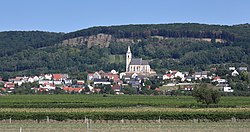
Nestled at the foot of the Leitha Mountains, Eisenstadt serves as the elegant capital of the Austrian state of Burgenland. As the smallest state capital in Austria, it offers a unique blend of intimate charm and profound historical significance. Once a vital part of the Kingdom of Hungary, the city has evolved from a noble seat into a vibrant center of public administration, higher education, and world-class musical history.
With a population of approximately 16,118 as of 2025, Eisenstadt is a city where the echoes of the past meet the pulse of modern Austrian life. Whether you are drawn to its baroque architecture, its deep Jewish heritage, or its connection to the masters of classical music, Eisenstadt remains a cornerstone of Central European culture.
Key Facts

- Status: Capital city of Burgenland, Austria.
- Location: Situated at the foot of the Leitha Mountains.
- Historical Significance: Former seat of the Hungarian noble Esterházy family.
- Musical Legacy: Home to the composer Joseph Haydn.
- Geography: Divided into three main districts, including Eisenstadt-Stadt and St. Georgen am Leithagebirge.
A Journey Through History
The history of Eisenstadt is marked by resilience and transformation. The original fortifications faced destruction by the troops of Margrave Leopold III and later by Mongol invaders in 1241. By 1373, the Kanizsai family took possession, rebuilding the town walls and establishing a fortress that would eventually become the site of the present-day castle.
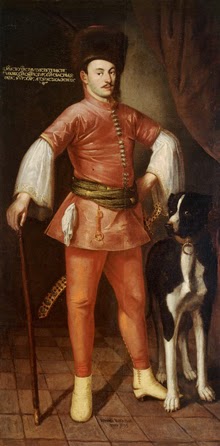
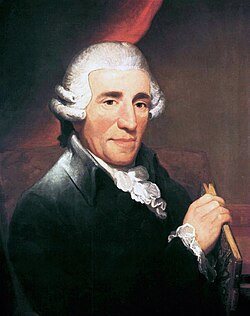
The city's identity was profoundly shaped by the Esterházy family, who took rule in 1648. Their extensive construction projects, most notably the magnificent Schloss Esterházy, transformed the urban landscape. This era of noble patronage also ushered in a golden age for music, as the composer Joseph Haydn served as the court musician for the family.
Following the end of World War I, the territory of Burgenland was annexed to Austria through the Saint-Germain and Trianon Treaties in 1921. Eisenstadt officially became the state capital in 1925. Despite the hardships of World War II, including heavy bombardment and subsequent Soviet occupation until 1955, the city has emerged as a modern administrative and educational hub.
Cultural and Architectural Landmarks
Eisenstadt is a treasure trove for lovers of art and architecture. The city's skyline is defined by religious and secular monuments that tell the story of its diverse inhabitants.
Secular and Noble Splendor
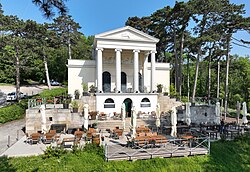
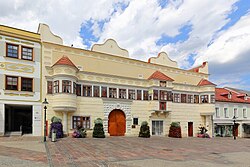
The Schloss Esterházy stands as the city's most iconic landmark, representing the grandeur of the Esterházy princes. Visitors can also explore the surrounding Schlosspark, the Orangerie, and the Leopoldinentempel. For those interested in civic history, the City Hall serves as a central point of local governance.
Religious Heritage and Museums
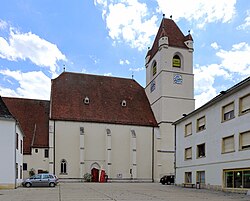
The spiritual life of the city is reflected in its diverse religious sites. The Eisenstadt Cathedral, a late Gothic church dedicated to Saint Martin, is a primary landmark. The Bergkirche is particularly significant as it houses the tomb of Joseph Haydn. The city also maintains a rich Jewish history, preserved through the Austrian Jewish Museum and the historic Jewish quarter.
To further explore these legacies, several museums are available, including the Haydnmuseum, which is dedicated to the life and work of the famous composer, and the Landesmuseum, which focuses on regional history.
Geography and Climate
Eisenstadt is organized into three main districts: Eisenstadt-Stadt, St. Georgen am Leithagebirge, and Kleinhöflein im Burgenland. The area covers approximately 42.88 km² and sits at an elevation of 182 meters.
The climate is characterized by moderate seasonal shifts. Summers can be warm, with record highs reaching above 38°C, while winters see temperatures occasionally dropping below -21°C. The region receives an average annual precipitation of approximately 758 mm, supporting the lush landscape of the Leitha Mountains.
Summary of Eisenstadt Profile
| Category | Details |
|---|---|
| State | Burgenland, Austria |
| Population (2025) | 16,118 |
| Total Area | 42.88 km² |
| Elevation | 182 m |
| Major Landmark | Schloss Esterházy |
| Key Figure | Joseph Haydn |
Frequently Asked Questions
What is the most famous person associated with Eisenstadt?
The most famous resident is the renowned composer Joseph Haydn, who lived and worked in the city as a court musician under the patronage of the Esterházy family.
When did Eisenstadt become the capital of Burgenland?
Eisenstadt has served as the seat of the Burgenland state government since April 30, 1925.
What can I see at Schloss Esterházy?
Schloss Esterházy is a major historical site featuring grand architecture, the Orangerie, the Leopoldinentempel, and beautiful parklands.
Is Eisenstadt a good destination for music lovers?
Yes, thanks to the Haydnmuseum and the city's deep historical connection to classical music, it is a significant destination for musical heritage.
What are the main districts of the city?
The city is divided into Eisenstadt-Stadt, St. Georgen am Leithagebirge, and Kleinhöflein im Burgenland.