Placoderms: The Armored Pioneers of the Jawed Vertebrates
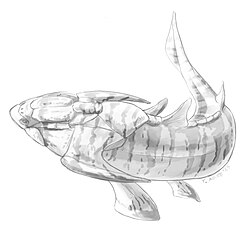
Long before the rise of modern sharks and bony fish, the ancient oceans were dominated by the Placoderms. These prehistoric fish, characterized by their heavy bony armor, represent a pivotal chapter in evolutionary history. Appearing roughly 439 million years ago, placoderms were among the first vertebrates to develop jaws and true teeth, fundamentally changing the dynamics of marine ecosystems by introducing some of the world's first apex predators.
From the bottom-dwelling scavengers to the massive, armored hunters of the open sea, placoderms filled a vast array of ecological niches. Their reign lasted until the end of the Devonian period, where they vanished during the Hangenberg event, leaving the oceans open for the ancestors of today's fish.
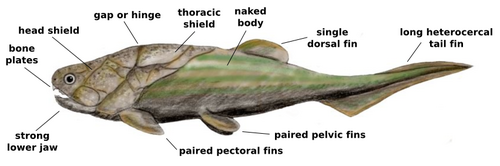
Key Facts
- Temporal Range: Lived from approximately 439 to 358.9 million years ago (Ma).
- Evolutionary Firsts: Among the first vertebrates with jaws, true teeth, and pelvic fins.
- Reproduction: Provided the oldest known evidence of viviparity (live birth) in vertebrates.
- Apex Predators: Included the massive Dunkleosteus, a superpredator of the Late Devonian.
- Extinction: All species became extinct during the Hangenberg event at the end of the Devonian.
Anatomy and Biological Innovations
Placoderms are defined by their distinctive dermal armor. This bony plating protected their heads and thoraxes, though the degree of armor varied by group. One of their most significant contributions to vertebrate evolution was the development of the jaw, which likely evolved from the first pair of gill arches. This allowed them to transition from filter-feeding to active predation.
Beyond jaws, placoderms were the first fish clade to develop pelvic fins. These paired fins served as the homologous precursors to the hindlimbs found in later tetrapods (four-limbed vertebrates). While many species possessed bony plates with sharpened edges for biting, some genera, such as Compagopiscis, possessed true teeth composed of bone and dentine with defined pulp cavities.
![Evolution and extinction of placoderms. The diagram is based on Michael Benton, 2005.[19]](/images/6b/bd/6bbdea8475e92009de0824a081721f80b3584543525593a38d481cfc7521bdbc.png)
The Mystery of Live Birth
One of the most extraordinary discoveries in paleontology came from the Gogo Formation in Western Australia. A fossil of Materpiscis attenboroughi revealed a female placoderm in the process of giving birth, with the umbilical cord still intact. This discovery pushed the known origin of live birth back by approximately 200 million years. Evidence from Incisoscutum ritchei further supports this, showing embryos inside the mother. Males are believed to have used long claspers for internal fertilization.
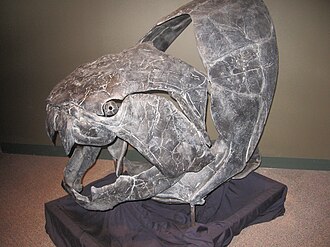
Major Groups of Placoderms
Placoderms were a diverse group, split into several orders based on their morphology and lifestyle.
Arthrodira: The Jointed-Neck Predators
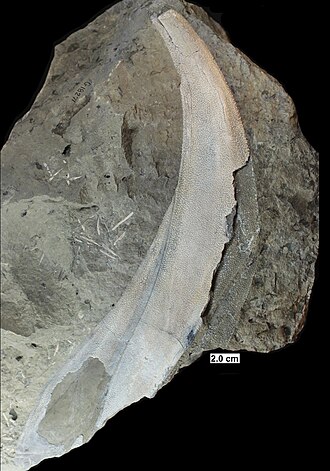
The Arthrodires were the most successful and diverse order. Their name, meaning "jointed neck," refers to a movable joint between the head and body armor, which allowed them to lift their heads while dropping their lower jaws to create a massive gape. While most used bony "tooth plates," they occupied roles ranging from small detritus feeders to the terrifying Dunkleosteus terrelli, which could reach lengths of 3.5 to 4.1 meters (and potentially up to 8 meters in some estimates).
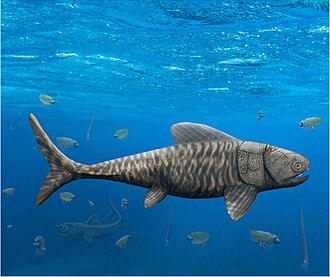
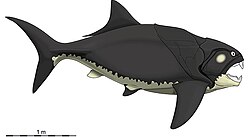
Antiarchi: The Bottom-Dwellers
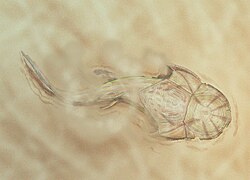
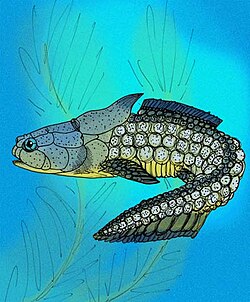
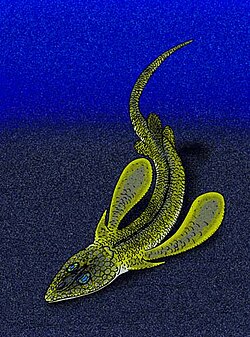
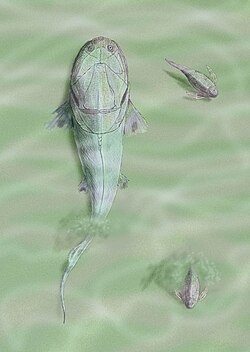
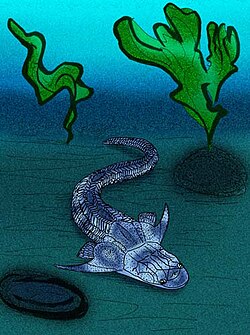
Unlike the pelagic arthrodires, antiarchs were primarily bottom-dwellers in freshwater and shallow marine environments. They are easily identified by their highly modified, jointed bony pectoral fins, which resembled calipers. The genus Bothriolepis was particularly successful, with over 100 valid species identified.
Other Notable Groups
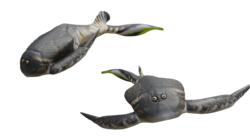
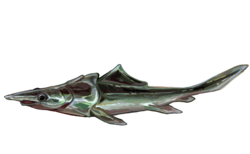
- Brindabellaspida: Basal placoderms like Brindabellaspis stensioi, which may be among the closest relatives to the ancestral placoderm.
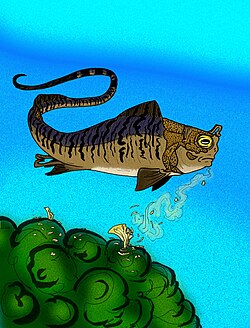
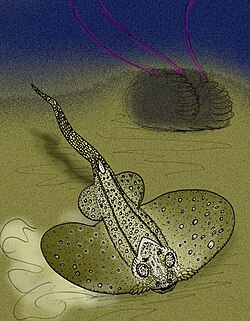
- Rhenanida, Petalichthyida, and Phyllolepida: Various groups that were largely bottom-dwelling or specialized in specific niches.
Summary of Placoderm Characteristics
| Group | Primary Habitat | Key Feature | Example Genus |
|---|---|---|---|
| Arthrodira | Pelagic / Open Water | Jointed neck, apex predators | Dunkleosteus |
| Antiarchi | Benthic / Shallow Water | Caliper-like pectoral fins | Bothriolepis |
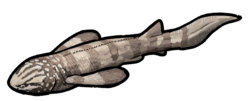
| Brindabellaspida | Early Marine | Long snout, basal anatomy | Brindabellaspis |
| Ptyctodontida | Various | Specialized crushing plates | Austroptyctodus |
History of Scientific Study
Early research into placoderms began with Louis Agassiz in the 1830s, who initially mistook them for jawless fish or even turtle-like vertebrates. It wasn't until the late 1920s that Dr. Erik Stensiö used a meticulous grinding and wax-imprinting technique to reveal the internal anatomy of their skulls, proving they were true jawed fishes related to sharks.
Modern analysis continues to debate their phylogeny. While some researchers view them as a monophyletic group (descending from a single common ancestor), others suggest they are paraphyletic, meaning some placoderms are more closely related to modern jawed vertebrates (Eugnathostomata) than they are to other placoderms.
Frequently Asked Questions
What were placoderms?
Placoderms were a class of extinct armored fish that lived during the Silurian and Devonian periods. They are significant for being among the first vertebrates to possess jaws and pelvic fins.
How big was the largest placoderm?
The most famous giant, Dunkleosteus terrelli, is estimated to have been between 3.5 and 4.1 meters long, though some older estimates suggest they could reach up to 8 meters.
Did placoderms have real teeth?
Most placoderms used sharpened bony plates called "tooth plates." However, research on the genus Compagopiscis has shown that some did possess true teeth made of bone and dentine.
How did placoderms give birth?
Evidence from fossils like Materpiscis and Incisoscutum indicates that some placoderms practiced internal fertilization and gave birth to live young (viviparity), rather than laying eggs.
Why did placoderms go extinct?
Placoderms vanished approximately 358.9 million years ago during the Hangenberg event at the end of the Devonian period, which cleared the way for the radiation of chondrichthyans (sharks/rays) and osteichthyans (bony fish).