Plant Evolution: From Ancient Algae to Modern Flowering Landscapes
The history of plant life is a saga of increasing complexity, transforming the Earth from a world of aquatic microbial mats into a vibrant, green terrestrial planet. This evolutionary journey began with simple archaeplastids—unicellular organisms that evolved through endosymbiosis—and progressed through multicellular green algae. Today, we see the culmination of this process in the diverse array of spore-bearing bryophytes, lycopods, ferns, and the sophisticated seed-bearing gymnosperms and angiosperms that dominate our modern ecosystems.
While ancient lineages like red and green algae continue to thrive in marine environments, more recently evolved groups have often displaced their predecessors. A prime example is the rise of flowering plants (angiosperms), which have ascended to ecological dominance over the gymnosperms in many terrestrial habitats.
Key Facts
- Earliest Land Life: Evidence suggests cyanobacteria and multicellular eukaryotes lived in freshwater land communities as early as 1 billion years ago.
- Embryophyte Emergence: The first evidence of embryophyte land plants appears in the middle Ordovician, approximately 470 million years ago.
- Devonian Revolution: By the middle Devonian (~390 million years ago), plants had developed essential features like roots and leaves.
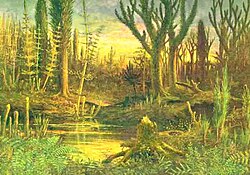
- Forest Formation: By the late Devonian, plants like Archaeopteris had developed wood and formed the first tall forests.
- Seed Evolution: Early seed ferns, such as Elkinsia, emerged during the late Devonian.
- Angiosperm Rise: Flowering plants appeared around 200 million years ago in the Triassic and diversified during the Cretaceous and Paleogene.
- Grassland Expansion: Grasses became significant in the mid-Paleogene, roughly 40 million years ago.
The Colonization of Land
The transition from water to land was one of the most significant events in biological history. While complex photosynthesizing communities may have existed in the late Precambrian (around 850 million years ago), the formal emergence of land plants is rooted in the Ordovician period. This colonization was not merely a biological shift but a geological one; as plants spread, they altered the global terrestrial weathering environment.
Adaptations for Terrestrial Survival
To survive outside of water, plants had to develop specialized structures. Key innovations included the cuticle (a protective waxy layer), stomata (pores for gas exchange), and intercellular spaces. Furthermore, the development of xylem—the vascular tissue responsible for water transport—allowed plants to grow larger and move water from soil to leaves.

Evolution of Plant Anatomy and Morphology

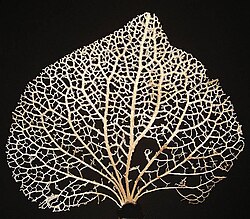
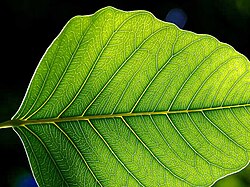
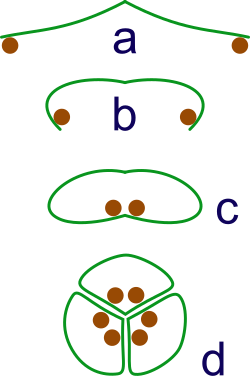
As plants moved into diverse environments, their physical forms underwent radical changes. The evolution of leaves and roots provided the necessary surface area for photosynthesis and nutrient uptake, respectively. In the Devonian, we see the emergence of complex leaf architectures, such as megaphylls, which may have originated from webbed, branching structures.
The Rise of Trees and Seeds
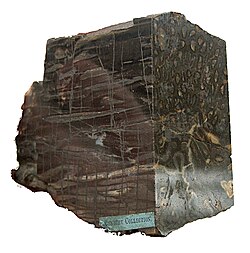
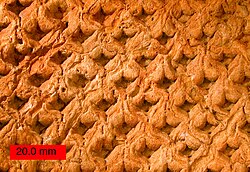
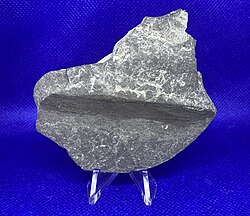
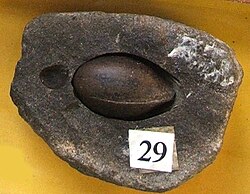
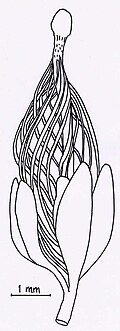
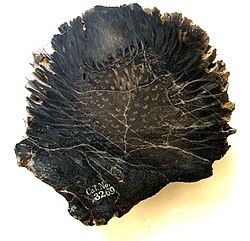
The ability to produce secondary vascular tissue, or wood, allowed plants to achieve significant height. By the late Devonian, the first true forests were forming. Alongside height, the evolution of the seed provided a massive reproductive advantage, protecting the embryo and allowing plants to colonize drier environments. Fossil evidence like Runcaria serves as a transitional link in this evolutionary chain.
The Evolution of Flowers and Modern Diversity

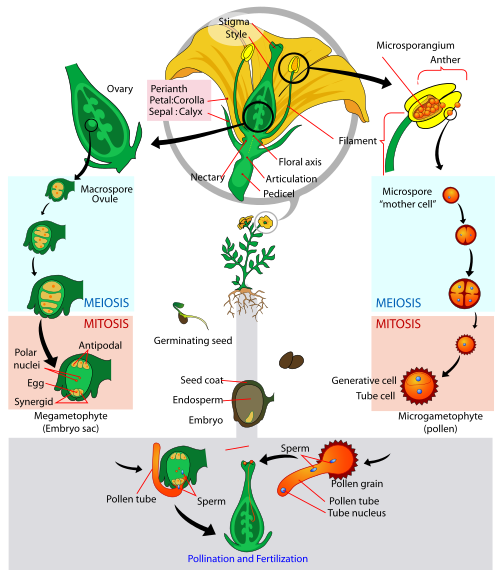
The appearance of angiosperms (flowering plants) around 200 million years ago marked a new era of plant evolution. Flowers served as highly efficient reproductive organs, often evolving complex structures to interact with pollinators. This period saw a massive diversification of plant life, eventually leading to the dominance of many groups we recognize today.
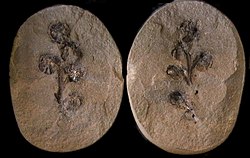
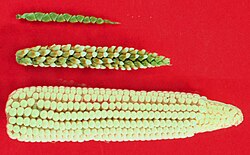
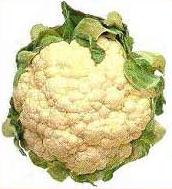
Even within modern groups, evolution continues. For instance, the large number of petals seen in many modern roses is a result of human selection rather than purely natural processes. Similarly, the evolution of grasses and their specialized metabolic pathways allowed them to thrive in the low CO2 and warm, dry conditions of the tropics over the last 10 million years.

Metabolic Innovations
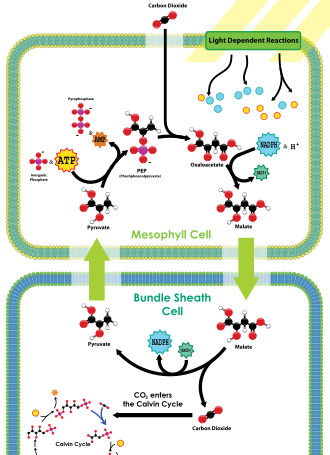
To cope with changing atmospheric conditions, plants evolved advanced metabolic mechanisms. One such innovation is the C4 carbon concentrating mechanism, which allows plants to photosynthesize more efficiently in hot, dry environments by concentrating CO2 around the enzyme Rubisco.
Summary of Plant Evolutionary Milestones
| Time Period | Key Evolutionary Event | Significant Groups/Features |
|---|---|---|
| ~1 Billion Years Ago | Early Land Communities | Cyanobacteria and thalloid eukaryotes |
| Middle Ordovician | Emergence of Embryophytes | First true land plants |
| Middle Devonian | Structural Complexity | Development of roots and leaves |
| Late Devonian | Forestry and Seeds | Woody trees (Archaeopteris) and early seeds |
| Triassic | Angiosperm Origins | First flowering plants |
| Mid-Paleogene | Grassland Expansion | Rise of grasses and C4 metabolism |
Frequently Asked Questions
When did plants first colonize land?
While evidence of microbial life on land dates back much further, the first emergence of embryophyte land plants is recorded in the middle Ordovician, approximately 470 million years ago.
What was the significance of the Devonian period for plants?
The Devonian was a transformative era where plants developed essential terrestrial features such as roots, leaves, and vascular tissue (xylem), leading to the formation of the first large-scale forests.
How do angiosperms differ from gymnosperms?
Angiosperms are flowering plants that produce seeds enclosed within an ovary (often developing into fruit), whereas gymnosperms produce "naked" seeds, typically in cones.
What is C4 photosynthesis?
C4 photosynthesis is a specialized carbon-concentrating mechanism that allows certain plants to thrive in warm, dry environments by more efficiently utilizing CO2, helping them survive in low CO2 conditions.
How did plants affect the Earth's climate?
As plants colonized land, they altered the global terrestrial weathering environment through their effects on erosion and sedimentation, which in turn influenced the Earth's climate.