Phenylpropanoids: The Essential Chemical Architecture of Plants
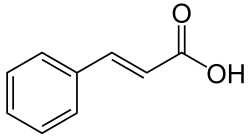
Phenylpropanoids are a vast and diverse family of organic compounds synthesized by plants. These molecules are derived from the amino acids phenylalanine and tyrosine via the shikimic acid pathway. Their name reflects their chemical structure: a six-carbon aromatic phenyl group attached to a three-carbon propene tail, a configuration exemplified by coumaric acid, the central intermediate in their biosynthesis.
These compounds are ubiquitous across the plant kingdom, serving critical biological roles. They act as structural building blocks for polymers, provide a shield against ultraviolet (UV) light, and serve as chemical defenses against pathogens and herbivores. Additionally, phenylpropanoids are vital for reproduction, acting as the floral pigments and scent compounds that mediate interactions between plants and pollinators.
Key Facts
- Precursors: Synthesized primarily from phenylalanine and tyrosine.
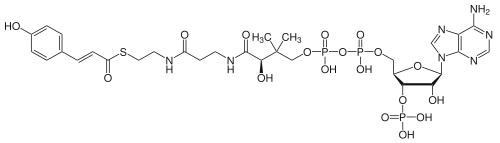
- Central Intermediate: 4-coumaroyl-CoA serves as the starting point for many diverse natural products.
- Structural Role: Essential for the production of lignin and suberin in cell walls.
- Protective Role: Provides UV protection and defense against biological threats.
- Diverse Derivatives: Includes flavonoids, coumarins, stilbenes, and essential oil components.
The Biosynthetic Pathway: From Amino Acids to Acids
The process begins when the enzyme phenylalanine ammonia-lyase (PAL) converts phenylalanine into cinnamic acid. In certain plants, particularly monocotyledonous species, a bifunctional enzyme called phenylalanine/tyrosine ammonia-lyase (PTAL) allows tyrosine to be used to synthesize p-coumaric acid.
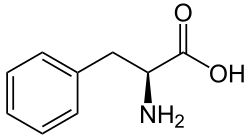
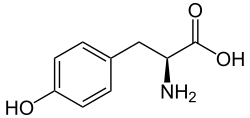
Through a sequence of enzymatic methylations and hydroxylations, several hydroxycinnamic acids are formed, including coumaric, caffeic, ferulic, 5-hydroxyferulic, and sinapic acid. When these acids are converted into esters, they produce volatile fragrances—such as ethyl cinnamate—that attract pollinators to flowers.
Monolignols and Phenylpropenes
When the carboxylic acid groups of cinnamic acids are reduced, they form aldehydes like cinnamaldehyde. Further reduction leads to the creation of monolignols, which include coumaryl, coniferyl, and sinapyl alcohol. These differ only by their degree of methoxylation.
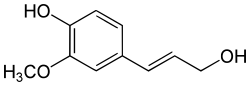
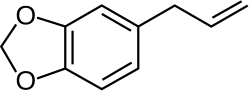
Monolignols serve as the monomers that polymerize to create lignin and suberin, the rigid materials that provide structural integrity to plant cell walls. From these monolignols, plants also derive phenylpropenes (compounds with allylbenzene as the parent), such as eugenol, safrole, and estragole, which are the primary components of many essential oils.
Flavonoids, Coumarins, and Stilbenoids
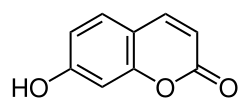
The diversification of phenylpropanoids continues through various modifications of p-coumaric acid. Hydroxylation at the 4-position by trans-cinnamate 4-monooxygenase can lead to derivatives like umbelliferone.
A critical branch of this pathway involves the thioester 4-coumaroyl-CoA. By adding three malonyl-CoA molecules and undergoing cyclization, the plant produces chalcones. Chalcones are the essential precursors to all flavonoids, a diverse class of phytochemicals.
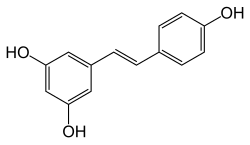
Alternatively, the cyclization of cinnamoyl-CoA or 4-coumaroyl-CoA produces stilbenoids, which are hydroxylated derivatives of stilbene. A well-known example of a stilbenoid is resveratrol.
Sporopollenin: The Resilient Shield
Phenylpropanoids also contribute to the composition of sporopollenin, a highly resistant substance found in the outer walls of pollen grains. Related to cutin and suberin, sporopollenin is a complex mixture of biopolymers consisting of hydroxylated fatty acids, phenolics, phenylpropanoids, and trace amounts of carotenoids. While phenylalanine is a major precursor, other carbon sources also contribute to this rigid, degradation-resistant structure.
Summary of Phenylpropanoid Derivatives
| Class | Key Examples | Primary Function |
|---|---|---|
| Monolignols | Coniferyl alcohol | Cell wall structure (Lignin/Suberin) |
| Phenylpropenes | Eugenol, Safrole | Essential oils and fragrance |
| Flavonoids | Chalcones, Catechin | Pigmentation and phytochemical defense |
| Stilbenoids | Resveratrol | Plant defense and stress response |
| Hydroxycinnamic Acids | Ferulic acid, Caffeic acid | Precursors and volatile esters |
Frequently Asked Questions
What are the primary building blocks of phenylpropanoids?
Phenylpropanoids are biosynthesized from the amino acids phenylalanine and tyrosine through the shikimic acid pathway.
What is the role of lignin in plants?
Lignin is a polymer formed from monolignols that serves as a critical structural component of plant cell walls, providing rigidity and strength.
How do phenylpropanoids help plants survive?
They protect plants from ultraviolet light, defend against pathogens and herbivores, and facilitate pollination through the production of scents and pigments.
What is the relationship between chalcones and flavonoids?
Chalcones are the direct precursors to all flavonoids; they are formed from 4-coumaroyl-CoA and three malonyl-CoA molecules.
What makes sporopollenin unique?
Sporopollenin is an unusually resistant biopolymer found in pollen that protects the genetic material from degradation, composed partly of phenylpropanoids and hydroxylated fatty acids.