Flavonoids: Chemistry, Plant Functions, and Dietary Impact
Flavonoids (also known as bioflavonoids) are a diverse class of polyphenolic secondary metabolites found throughout the plant kingdom. The name is derived from the Latin word flavus, meaning yellow, which describes the natural coloration of many of these compounds. These molecules are abundant in various plants, including red cabbage, blackberry, black currant, and chokeberry.
In the realm of plant biology, flavonoids are far from passive. They serve critical roles in survival and reproduction, such as attracting pollinating insects, providing antioxidant protection against ultraviolet (UV) light, regulating cell growth, and deterring pathogens and environmental stresses.
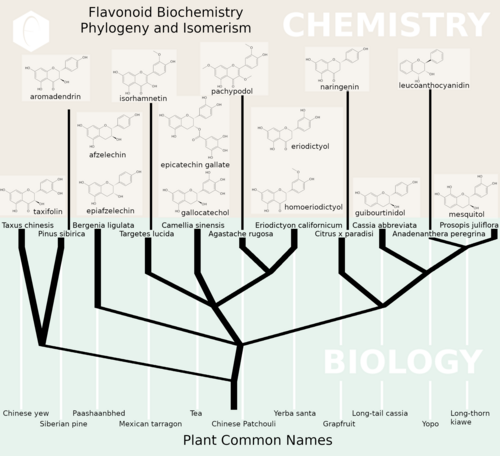
Key Facts
- Chemical Structure: Based on a 15-carbon skeleton (C6-C3-C6) consisting of two phenyl rings and one heterocyclic ring.
- Dietary Sources: High concentrations are found in citrus peels, berries, tea, and cocoa.
- Nutritional Status: They are not classified as essential nutrients or biological antioxidants required for human body functions.
- Cardiovascular Note: 200 mg/day of cocoa flavanols is recognized by the EFSA and FDA for supporting blood vessel elasticity and potentially reducing cardiovascular risk.
- Regulatory Warning: The FDA has issued warning letters to supplement manufacturers for making illegal health claims regarding flavonoids.
Chemical Classification and Structure
Chemically, flavonoids are characterized by a general structure comprising two phenyl rings (A and B) and a heterocyclic ring (C) that contains an embedded oxygen atom. This specific carbon arrangement is abbreviated as C6-C3-C6.
According to IUPAC nomenclature, these compounds are categorized into three primary groups based on their derivation:
- Flavonoids/Bioflavonoids: Derived from the 3-phenyl chromen-4-one structure.
- Isoflavonoids: Derived from the 3-phenyl chromen-4-one structure but with different positioning.
- Neoflavonoids: Derived from the 4-phenyl coumarin structure.

Major Subgroups of Flavonoids
Flavonoids are further divided into several subgroups based on their specific chemical skeletons and functional groups:
- Anthocyanidins: Examples include cyanidin, delphinidin, malvidin, pelargonidin, peonidin, and petunidin.
- Anthoxanthins: This group includes flavones (e.g., apigenin, luteolin) and flavonols (3-hydroxy flavones).
- Flavanones: Characterized by a 2,3-dihydro structure; examples include naringenin and hesperetin.
- Flavanonols: Also known as 3-hydroxy flavanones, such as taxifolin.
- Flavans: This group includes flavan-3-ols (flavanols), flavan-4-ols, and flavan-3,4-diols. Proanthocyanidins are polymers or oligomers of these flavanols.
- Isoflavonoids: Includes isoflavones (e.g., genistein, daidzein), isoflavanes, and coumestans.

Dietary Sources and Consumption
Flavonoids are common in many fruits and vegetables. In citrus fruits, they are significantly more concentrated in the peel than in the pulp. For example, in satsuma mandarins, the peel contains 1156 mg/100 g compared to 165 mg/100 g in the pulp.
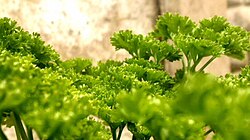
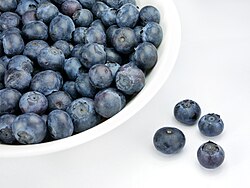
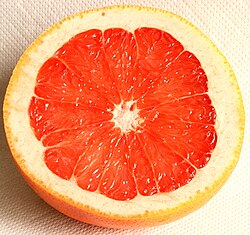
Consumption patterns vary by region. In the United States, the mean adult intake is approximately 190 mg per day, while in the European Union, the mean is 140 mg per day. In both regions, flavan-3-ols—primarily sourced from tea and cocoa—are the dominant contributors to total flavonoid intake.
![Adult flavonoid intake (mg per day) in Europe; pie charts indicate the relative consumption of different flavonoid compounds[17]](/images/ca/a6/caa63a9fe1dfc3c79360af0bcd8cbda3b092406789f3f32f86bb2de5c466112f.png)
![Data are based on mean flavonoid intake of all countries included in the 2011 EFSA Comprehensive European Food Consumption Database.[17]](/images/ac/67/ac67b22b3d2621f07e575c99f9ade351d9975a234732ffb282e6742375d556c7.png)
| Subgroup | Key Examples | Common Sources |
|---|---|---|
| Anthocyanidins | Cyanidin, Delphinidin | Berries, Red Cabbage |
| Flavones | Apigenin, Luteolin | Parsley |
| Flavanones | Hesperetin, Naringenin | Citrus Fruits |
| Flavan-3-ols | Theaflavin, Proanthocyanidins | Tea, Cocoa |
| Isoflavones | Genistein, Daidzein | Legumes |
Health and Regulatory Status
Despite their prevalence in health foods, flavonoids are not considered essential nutrients. There is no established evidence that they are required for basic human body functions or the prevention of diseases in a general sense.
However, specific research has focused on cocoa flavanols. The European Food Safety Authority (EFSA) and the U.S. Food and Drug Administration (FDA) have noted that 200 mg/day of cocoa flavanols may help maintain the elasticity of blood vessels and potentially reduce the risk of cardiovascular disease. It is noted that this dosage is higher than what is typically found in standard chocolate bars, which may contain sugars that contribute to weight gain.
Due to the popularity of these compounds, the FDA has monitored the supplement industry closely. Between 2020 and 2023, 11 warning letters were issued to manufacturers for illegal misbranding and making false health claims regarding flavonoid supplements.
Frequently Asked Questions
Are flavonoids essential nutrients for humans?
No, flavonoids are not considered essential nutrients or biological antioxidants required for the body to function properly.
Where is the highest concentration of flavonoids found in citrus fruits?
Flavonoids are much more concentrated in the peels of citrus fruits than in the pulp.
What is the most consumed type of flavonoid in the US and EU?
Flavan-3-ols are the main contributors to dietary intake, primarily coming from cocoa and tea.
Can cocoa flavanols improve heart health?
Evidence suggests that 200 mg/day of cocoa flavanols can help maintain blood vessel elasticity, though the FDA describes the evidence for reducing cardiovascular disease risk as supportive but not conclusive.
What are the primary functions of flavonoids in plants?
They are used to attract pollinators, protect the plant from UV light, regulate cell growth, and defend against pathogens and environmental stress.