Peduncle Botany: Understanding the Stalks of Flowers and Fruits
In the complex world of plant anatomy, every structure serves a specific purpose in the life cycle of a plant. One such essential structure is the peduncle. Whether it is supporting a single, beautiful flower or a massive cluster of fruit, the peduncle acts as the primary stalk that connects the reproductive parts of a plant to the rest of its body.
Understanding these botanical terms helps us better identify plant species and comprehend how they transport nutrients and support their reproductive organs.
Defining the Peduncle
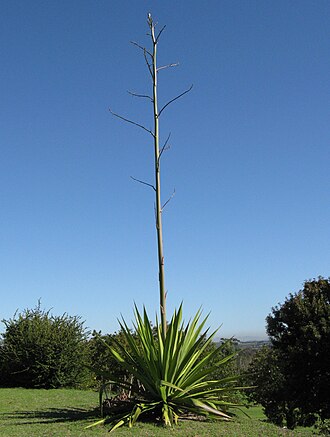
In botanical terms, a peduncle is the stalk that supports an inflorescence (a cluster of flowers) or a solitary flower. This role does not end after flowering; once fertilization has occurred, the peduncle continues to support the infructescence, which is the cluster of fruits, or a solitary fruit.
The structure of a peduncle can vary significantly between species. In some plants, the peduncle features bracts—specialized leaf-like structures known as cataphylls—located at the nodes along its length.
Peduncle vs. Rachis
It is common to confuse the peduncle with the rachis. While they are related, they serve different roles in the architecture of a flower cluster. The peduncle is the main stalk that rises from the plant body. Once it reaches the base of the flower cluster, the main axis that continues upward to host the individual flowers is called the rachis.
Specialized Stalks: The Scape
Sometimes, a peduncle takes on a very specific form. When a peduncle arises directly from ground level—either from a subterranean stem (such as a rhizome, tuber, bulb, or corm) or a compressed aerial stem—it is referred to as a scape. These stalks typically have few or no bracts, except perhaps near the rachis or the receptacle (the base of the flower).
Real-World Examples in Nature
We can see the importance of these structures in various well-known plants:
- Pedunculate Oak: This tree is named specifically because its acorns are borne on a long, distinct peduncle.
- American Pokeweed: This plant features long, magenta-colored peduncles, each of which supports a raceme (a type of unbranched inflorescence).
Key Facts
- A peduncle supports flowers, inflorescences, or fruits.
- The rachis is the axis above the peduncle that holds the flowers.
- A scape is a peduncle that grows directly from the ground or a compressed stem.
- Peduncles may contain bracts at their nodes.
- The term infructescence refers to the fruit-bearing stage of a flower cluster.
| Term | Primary Function | Distinguishing Feature |
|---|---|---|
| Peduncle | Supports flowers or fruit | The main stalk of the reproductive structure |
| Rachis | Supports individual flowers | The axis located above the peduncle |
| Scape | Supports inflorescence | Arises directly from ground level or a bulb/rhizome |
| Pedicel | Supports a single flower | A smaller stalk within a larger cluster |
Frequently Asked Questions
What is the difference between a peduncle and a pedicel?
While a peduncle is the main stalk supporting an entire cluster of flowers (inflorescence) or a single flower, a pedicel is the smaller individual stalk that supports a single flower within a larger cluster.
What is an infructescence?
An infructescence is the botanical term for a cluster of fruits that develops from a previous inflorescence after fertilization has taken place.
When does a peduncle become a scape?
A peduncle is called a scape when it emerges directly from the ground level, often from underground storage organs like bulbs, tubers, or rhizomes, and typically lacks significant bracts.
What are bracts on a peduncle?
Bracts are specialized, leaf-like structures (sometimes called cataphylls) that may appear at the nodes along the length of a peduncle.
Why is the oak tree called "pedunculate"?
The pedunculate oak is so named because its acorns are held on long, prominent peduncles.