Achenes: The Science of Single-Seeded Dry Fruits
In the complex world of botany, what we often mistake for a simple seed is frequently a sophisticated biological structure known as an achene. Derived from the Ancient Greek words meaning "to gape," an achene is a specific type of simple, dry fruit produced by a wide variety of flowering plants. While they may look like seeds to the naked eye, their internal anatomy tells a much more detailed story of plant reproduction and survival.
An achene is defined by two primary botanical characteristics: it is monocarpellate, meaning it develops from a single carpel (the female reproductive organ of a flower), and it is indehiscent, which means the fruit does not split open at maturity to release its contents.
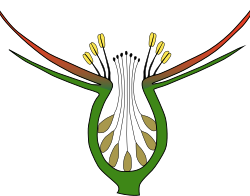
Anatomy and Structure
The defining feature of an achene is the relationship between the seed and the pericarp, or the fruit wall. Inside an achene, a single seed nearly fills the entire cavity. However, unlike some other fruit types, the seed does not adhere to the pericarp. Because the fruit wall hardens and encloses the seed so tightly, it often creates the illusion of a single seed coat, leading to common botanical misidentifications.
Common Examples in Nature
Many familiar plants rely on achenes for dispersal. Common examples include:
- Buttercup
- Buckwheat
- Caraway
- Quinoa
- Amaranth
- Cannabis
Specialized Variations and Misconceptions
Because the term "seed" is used loosely in everyday language, several fruits are frequently misidentified. The strawberry, for instance, is an accessory fruit. The small, crunchy specks on its outer surface are actually the true achenes, while the fleshy part we eat is merely accessory tissue.
Roses present another interesting case. They produce an aggregate of achene fruits that are held within a hypanthium—a cup-shaped structure formed by the fusion of the calyx, corolla, and stamens with the receptacle.
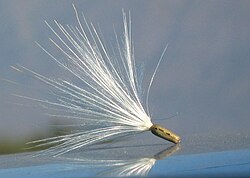
Distinct Botanical Forms
Evolution has shaped achenes into various specialized forms to aid in dispersal:
- Samara: A winged achene, such as those found on maple trees, designed to catch the wind.
- Tumble Fruit (Diaspore): Some achenes, like those of Anemone virginiana, possess hair-like structures that allow the entire fruit to tumble across the landscape in the wind.
- Utricle: A variation where the fruit is bladder-like or inflated.
Comparing Achenes to Similar Fruit Types
It is easy to confuse achenes with other dry fruits. For example, a caryopsis (or grain) looks very similar, but in a grain, the pericarp is fused directly to the seed coat. Additionally, while the fruits of the Asteraceae family (like sunflowers) are often called achenes, they are technically cypselae because they derive from a compound inferior ovary.
| Fruit Type | Key Distinguishing Feature |
|---|---|
| Achene | Single carpel; seed is not fused to the pericarp. |
| Caryopsis (Grain) | Pericarp is fused to the seed coat. |
| Cypsela | Derived from a compound inferior ovary (common in Asteraceae). |
| Samara | A winged achene used for wind dispersal. |
| Utricle | A bladder-like or inflated fruit structure. |
Key Facts
- Achenes are indehiscent, meaning they do not open at maturity.
- They are monocarpellate, originating from a single carpel.
- The seed inside an achene is not attached to the fruit wall (pericarp).
- Strawberries are accessory fruits; their "seeds" are actually achenes.
- Cypselae are specialized achene-like fruits found in the Asteraceae family.
Frequently Asked Questions
What is the main difference between a seed and an achene?
An achene is actually a fruit that contains a seed. The hard outer layer we often think is a seed coat is actually the pericarp, or the fruit wall.
Why are sunflower "seeds" technically called cypselae?
While they look like achenes, sunflower fruits come from a compound inferior ovary, which classifies them specifically as cypselae.
How do achenes disperse?
Dispersal methods vary; some use wings (samaras) to fly, some use hair-like structures (pappi) to catch the wind, and others act as tumble fruits that roll across the ground.
Is a grain the same as an achene?
No. While they look similar, a grain (caryopsis) has a fruit wall that is fused to the seed coat, whereas an achene's seed remains separate from its wall.
What makes a strawberry an accessory fruit?
In a strawberry, the fleshy part we consume is accessory tissue, while the actual botanical fruits are the small achenes located on the exterior surface.