Leaf Morphology: A Comprehensive Guide to Botanical Shapes and Structures
In the study of botany, the leaves of a plant are far more than just green surfaces for photosynthesis. They are complex anatomical structures with highly specific forms that scientists use to classify and identify species. This field of study, known as leaf morphology, examines the various ways leaves are shaped, divided, and structured.
Whether a leaf is a single, continuous blade or a complex arrangement of multiple leaflets, its specific characteristics provide vital clues for taxonomy. While botanical terms offer a precise language for description, it is important to note that morphological definitions can sometimes be subjective. Different researchers may use terms like "acuminate" or "serrate" based on individual judgment or the specific part of the plant being examined.
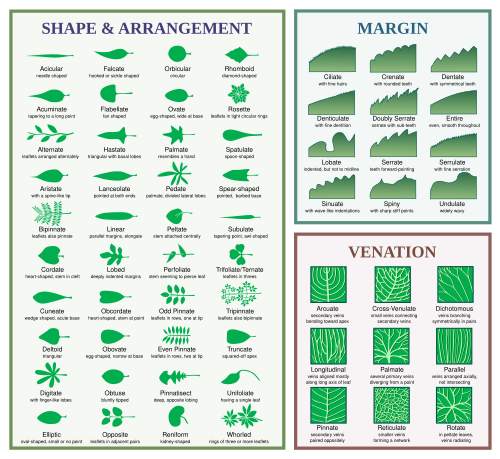
Foundational Leaf Structures
At the most basic level, leaves are categorized by how the blade, or lamina (the flat part of the leaf), is divided. This distinction is the starting point for most botanical descriptions.
Simple vs. Compound Leaves
A simple leaf consists of a single leaf blade that is undivided. In contrast, a compound leaf features a blade that is divided into two or more distinct leaflets. Even a leaf with only one leaflet is technically considered compound if it possesses specific anatomical features like two abscission layers.
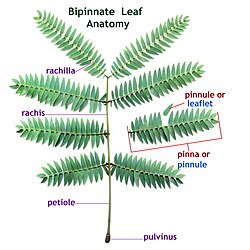
Compound leaves are further classified by their arrangement along the rachis (the central axis):
- Pinnate: Leaflets are arranged on both sides of a central axis.
- Palmate: Multiple leaflets radiate from a single central point, similar to the fingers on a hand.
- Ternate: A specific arrangement featuring three components, each with three leaflets.
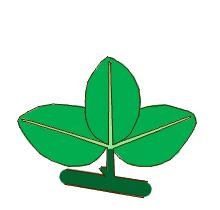
Common Leaf Arrangement Terms
| Term | Description |
|---|---|
| Bipinnate | Leaflets are themselves pinnately compound. |
| Imparipinnate | Pinnate with an odd number of leaflets, including a terminal leaflet. |
| Paripinnate | Pinnate with an even number of leaflets, lacking a terminal leaflet. |
| Trifoliate | A leaf composed of exactly three leaflets. |
| Tripinnate | A highly complex leaf where each leaflet is bipinnate. |
Leaf and Leaflet Shapes
Shape is one of the most visible features used in plant identification. Botanists use a vast vocabulary to describe the outline of the whole leaf or specific parts like the tip (apex) or the base.
Apex and Base Characteristics
The tip of a leaf can vary from acute (pointed with an angle less than 90°) to obtuse (blunt with an angle greater than 90°). Some leaves feature a mucronate tip, which is a small, sharp point that continues from the midrib, while others may be emarginate, meaning they have a slight indentation at the apex.
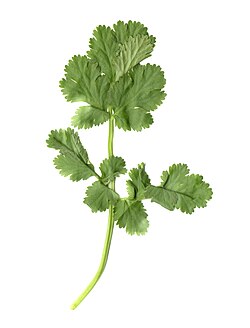
The base of the leaf is equally descriptive. A cuneate base is wedge-shaped, whereas a cordate base is heart-shaped. Some leaves exhibit an oblique base, where one side is lower than the other, creating an asymmetrical appearance.
Overall Leaf Outlines
Commonly recognized shapes include:
- Lanceolate: Long and wider in the middle, resembling the tip of a lance.
- Elliptic: Shaped like an ellipse, widest at the mid-section.
- Orbicular: Circular in form.
- Falcate: Curved like a sickle.
- Spathulate: Spoon-shaped, with a broad end tapering to a base.
Leaf Margins and Edges
The margin refers to the outer perimeter of the leaf. Examining the edge is a highly effective way to distinguish between similar species.
Types of Margins
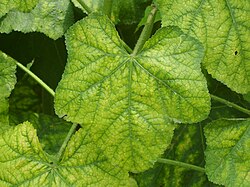
Margins can be entire, meaning they are smooth and even, or they can be highly irregular. Common irregular margins include:
- Serrate: Saw-toothed edges with asymmetrical teeth pointing forward.
- Crenate: Wavy-toothed edges with rounded teeth.
- Dentate: Coarsely toothed edges.
- Spiny: Edges featuring stiff, sharp points, common in plants like thistles.
Key Facts
- Simple leaves have an undivided blade, while compound leaves are divided into leaflets.
- Pinnate leaves have leaflets along an axis, whereas palmate leaves radiate from a single point.
- Margins (edges) are a primary characteristic used for plant identification.
- Botanical terms like acuminate or serrate describe specific geometric properties of the leaf.
- The petiole is the stalk that connects the leaf blade to the stem.
Frequently Asked Questions
What is the difference between a simple and a compound leaf?
A simple leaf has a single, continuous blade (lamina). A compound leaf has a blade that is divided into multiple distinct leaflets.
What does "pinnate" mean in botany?
Pinnate refers to a leaf structure where the leaflets are arranged on both sides of a central axis, known as a rachis.
How can I tell if a leaf margin is serrate or crenate?
A serrate margin looks like a saw, with sharp, asymmetrical teeth. A crenate margin is more rounded, featuring wavy, blunt teeth.
What is a petiole?
The petiole is the stalk that joins a leaf blade to the stem of the plant.
Why do botanical terms sometimes seem subjective?
Morphological descriptions can depend on the specific part of the plant collected, the individual judgment of the observer, or variations between specimens of the same species.