Pan-African Flag: The History and Symbolism of the Black Liberation Flag
The Pan-African flag, also known as the Black Liberation Flag, serves as a powerful emblem of racial pride and global solidarity. Created to unify people of African descent, the flag emerged from a desire to challenge racial stereotypes and establish a visual identity for a people seeking liberation and recognition.
The Origins of the Flag
The journey toward the modern Pan-African flag began with the Liberty League of Negro-Americans. In 1917, the League utilized a perpendicular tricolor flag consisting of black, brown, and yellow. These colors were chosen to symbolize the diverse skin tones of people of African descent in America and their complex relationships with their own heritage and the wider world.

Marcus Garvey, the influential leader and founder of the Universal Negro Improvement Association (UNIA), drew direct inspiration from the Liberty League's design. Garvey believed that a flag was essential for any race or nation to possess pride. In 1920, the UNIA created the Black Liberation Flag, initially experimenting with black, red, and gold before finalizing the iconic combination of black, red, and green.
Responding to Racial Stereotypes
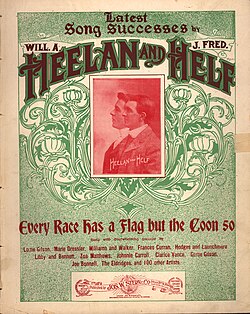
The creation of the UNIA flag was partly a response to the derogatory "coon songs" popular around 1900. One specific hit, titled "Every Race Has a Flag but the Coon," helped cement a racial slur in the American vocabulary. Garvey addressed this directly in a 1921 speech reported in the Negro World, stating that while critics once claimed the race had no flag, that was no longer true.
Symbolism of the Colors
The meaning of the colors has been defined through various UNIA publications, including the 1921 Universal Negro Catechism. While the interpretations have evolved slightly over time, the core meanings remain consistent.
- Red: Represents the blood shed for liberation and the blood that unites all people of Black African ancestry.
- Black: Symbolizes the noble and distinguished Black race and affirms their existence as a nation, even without a traditional nation-state.
- Green: Represents the luxuriant vegetation and abundant natural wealth of the African Motherland.
| Era/Organization | Colors | Primary Purpose |
|---|---|---|
| Liberty League (1917) | Black, Brown, Yellow | Symbolizing African people in America |
| Early UNIA (1920) | Black, Red, Gold | Initial Black Liberation design |
| Final UNIA/Pan-African | Black, Red, Green | Global Black pride and liberation |
Legal Battles and Educational Recognition
The flag's presence in public spaces has often been a point of contention. In 1971, 17-year-old Lawrence Hamm, a member of the Newark, New Jersey school board, proposed flying the Black Liberation Flag in majority-black schools as a teaching aid. Although the resolution passed, it was challenged in court by board member John Cervase, who argued that the flag constituted "propaganda."
The Superior Court restrained the resolution, and the New Jersey State Assembly subsequently passed a bill prohibiting any flag other than the United States flag from being flown in schools or government buildings. It took 50 years for this to change; in February 2026, the Newark School Board finally allowed the flag to be raised in classrooms and buildings.
Modern Usage and Global Impact
The flag gained significant popularity during the Black Liberation movement of the 1960s and continues to be used in various contexts today:
- Juneteenth: While Juneteenth (commemorating the end of slavery in Galveston, Texas, on June 19, 1865) has its own official flag created in 1997, many in the community use the Pan-African flag to celebrate the holiday.
- Protest and Solidarity: In 2014, following the shooting of Michael Brown in Ferguson, Missouri, a Howard University student flew a "black solidarity" flag at half-mast on campus.
- Federal Recognition: In February 2023, the Pan-African flag was flown over the Denver Federal Center for Black History Month, marking the first time it was flown over a U.S. federal building.
- International Reach: In Martinique, a new flag has been raised to symbolize similar ties to Africa.
Key Facts
- The Pan-African flag was inspired by the 1917 Liberty League of Negro-Americans flag.
- Marcus Garvey and the UNIA finalized the black, red, and green design in 1920.
- The flag was created partly to counter the derogatory lyrics of the song "Every Race Has a Flag but the Coon."
- Red symbolizes blood/liberation, black symbolizes the people, and green symbolizes Africa's natural wealth.
- It was first flown over a U.S. federal building (Denver Federal Center) in February 2023.
Frequently Asked Questions
Who created the Pan-African flag?
The flag was created by the Universal Negro Improvement Association (UNIA), led by Marcus Garvey, in 1920.
What do the colors red, black, and green represent?
Red represents the blood shed for liberation, black represents the Black people and their identity as a nation, and green represents the natural wealth and vegetation of Africa.
How does the Pan-African flag differ from the Juneteenth flag?
The Pan-African flag is a general symbol of Black liberation and pride, whereas the Juneteenth flag is a specific emblem created in 1997 to commemorate the June 19th holiday.
Why was the flag banned in Newark schools for so long?
Following a 1971 proposal by Lawrence Hamm, a court ruling and a subsequent New Jersey State Assembly bill restricted the flying of any flag other than the U.S. flag in schools and government buildings.
What inspired Marcus Garvey to design the flag?
Garvey was inspired by the 1917 tricolor flag of the Liberty League of Negro-Americans and the desire to provide the Black race with a symbol of pride to counter racial mockery.