Order of the Thistle: Scotland's Most Ancient and Noble Order of Chivalry
The Most Ancient and Most Noble Order of the Thistle is the highest order of chivalry in Scotland. Awarded by the monarch, it serves as a prestigious recognition for Scottish citizens who have contributed significantly to national life or held high public office. With a rich history blending legendary claims and royal decrees, the Order remains a cornerstone of Scottish heraldic and royal tradition.
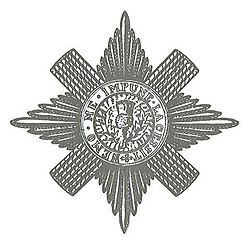
The Order is defined by its striking symbolism, most notably the thistle—the national flower of Scotland. Its motto, Nemo me impune lacessit (Latin for "No one provokes me with impunity"), is a powerful statement of Scottish resilience. This motto is not only central to the Order but also appears on the Royal coat of arms for use in Scotland and various elite Scottish military regiments.
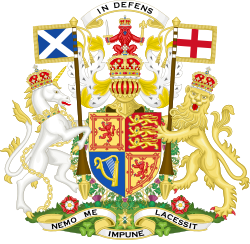
Key Facts
- Established: 1687 by King James VII.
- Sovereign: King Charles III.
- Patron Saint: St Andrew.
- Motto: Nemo me impune lacessit ("No one provokes me with impunity").
- Membership: Limited to the Sovereign and 16 Knights and Ladies.
- Precedence: Ranks below the Order of the Garter and above the Order of St Patrick.
The History and Origins of the Order
The origins of the Order are shrouded in a mix of historical record and romantic legend. While King James VII officially established the modern Order via letters patent on May 29, 1687, he claimed to be "reviving and restoring" an ancient institution. These claims suggested the Order was founded as early as 786 by King Achaius after a victory over the Angles, or perhaps in 809 to mark an alliance with Charlemagne.
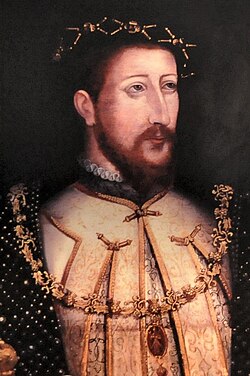
Historians generally view these early claims with skepticism. Evidence suggests that while a "Order of St Andrew" may have existed in the 16th century under James V, it likely lapsed by the end of that century. Early depictions of royal thistle collars exist from as early as 1503, but formal records of a structured order of knighthood were absent until the late 17th century.
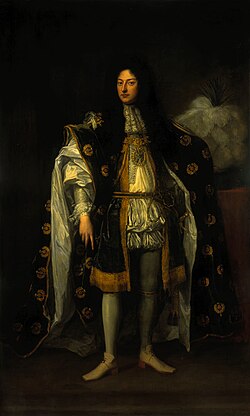
The 1687 creation was largely the initiative of John Drummond, 1st Earl of Melfort, intended to reward loyal Scottish Catholics. However, following the Glorious Revolution of 1688, the Order fell into a period of instability. While the exiled House of Stuart continued a "Jacobite" version of the Order until 1784, the British Crown did not recognize these appointments. Queen Anne eventually resumed appointments in 1704, ensuring the Order's continued existence into the modern era.
Composition and Membership
The Order is composed of the Sovereign and a limited number of members. Originally established with twelve Knights-Brethren—a number mirroring the Apostles—the limit was increased to sixteen by George IV in 1827. Membership is granted at the monarch's pleasure.
For centuries, the Order was reserved for men, as candidates were required to be Knights Bachelor. This changed in 1937 when George VI appointed Queen Elizabeth as a Lady of the Thistle via a special statute. By 1987, Queen Elizabeth II opened the Order to the regular admission of women.
Officers of the Order
The Order is managed by five key officers who maintain its traditions and administration:
- The Chancellor: Currently the Duke of Buccleuch and Queensberry; holds custody of the seal.
- The Secretary: Manages the administrative affairs of the Order.
- The Dean: Typically a cleric of the Church of Scotland.
- Lord Lyon King of Arms: The head of Scottish heraldry and the Order's King of Arms.
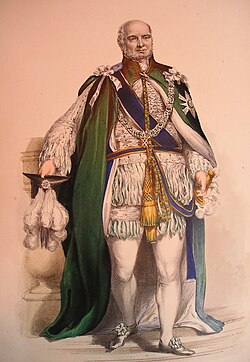
- Gentleman Usher of the Green Rod: The Order's usher, distinguished by the color of his baton.
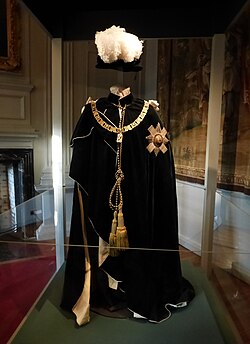
Insignia and Symbolism
The visual identity of the Order is deeply tied to Scottish national identity. The primary emblem is the thistle, and the badge features St Andrew with the saltire (the X-shaped cross).
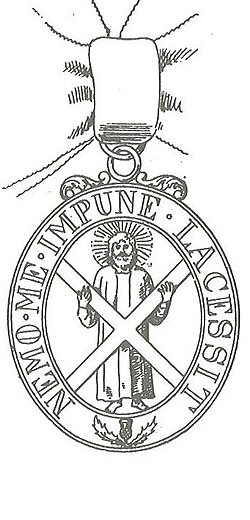
Members wear specific vestments and insignia, including a star and a collar of linked thistles. The star of the Order is a prominent symbol of the rank and honor bestowed upon the recipient.
The Thistle Chapel
While James VII originally intended the Abbey Church at the Palace of Holyroodhouse to serve as the Order's chapel, it was destroyed during riots. The Order remained without a dedicated space until 1911, when the Thistle Chapel was added to St Giles High Kirk in Edinburgh.
The chapel serves as a living record of the Order. Each Knight or Lady is assigned a stall. Upon their death, their sword, helm, and crest are removed, but their stall plate—a permanent plaque—remains affixed to the stall. This creates a colorful, historical archive of all members since 1911.
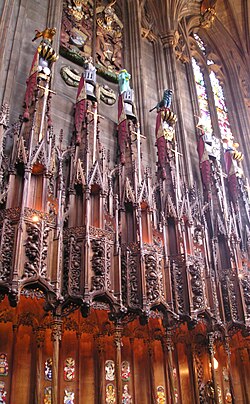
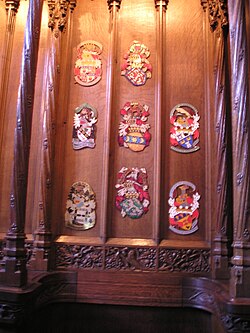
The chapel is the site of installation services for new members and biennial services held during the Sovereign's visit to the Palace of Holyroodhouse in June or July. Outside the chapel, the names of members appointed before 1911 are inscribed into the walls.
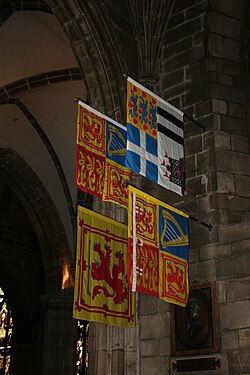
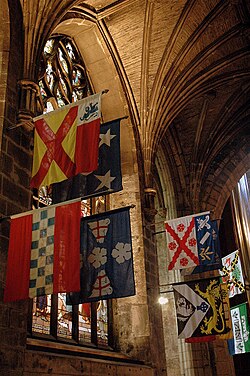
Summary of the Order of the Thistle
| Feature | Details |
|---|---|
| Founder | James VII (1687) |
| Sovereign | Charles III |
| Motto | Nemo me impune lacessit |
| Membership Limit | 16 Knights/Ladies (plus Sovereign) |
| Chapel | Thistle Chapel, St Giles High Kirk, Edinburgh |
| Precedence | Below Order of the Garter; Above Order of St Patrick |
Frequently Asked Questions
Who can be appointed to the Order of the Thistle?
Appointments are made at the monarch's pleasure. The Order is generally used to recognize Scottish citizens who have held high public office or made significant contributions to national life.
Is the Order of the Thistle the same as the Order of the Garter?
No. While both are senior orders of chivalry, the Order of the Garter is the most senior in the United Kingdom, whereas the Order of the Thistle is the highest specifically for Scotland. Members of the Thistle may also be admitted to the Garter.
Can women be members of the Order?
Yes. While originally restricted to men, Queen Elizabeth became a Lady of the Thistle in 1937, and Queen Elizabeth II formally allowed the regular admission of women to the Order in 1987.
What is the significance of the "Green Rod"?
The Gentleman Usher of the Green Rod is one of the five officers of the Order. The "Green Rod" refers to the baton of office carried by the usher, distinguishing the role from the "Black Rod" associated with the Order of the Garter and the House of Lords.
Where can the history of the Order's members be seen?
The history of the members is physically preserved in the Thistle Chapel at St Giles High Kirk in Edinburgh, where stall plates and wall inscriptions record the names of knights and ladies since the Order's inception.