Nobel Prize in Literature
The Nobel Prize in Literature is one of the most prestigious honors in the global intellectual community, awarded annually to authors who have made outstanding contributions to the world of letters. Established by the will of Alfred Nobel, the prize is presented in Stockholm, Sweden, by the Swedish Academy, an institution dedicated to promoting Swedish language and literature.
Since its inception, the prize has evolved from recognizing specific poetic compositions to honoring a lifetime of literary achievement. In 2023, the financial reward for the prize was 11 million SEK.
Key Facts
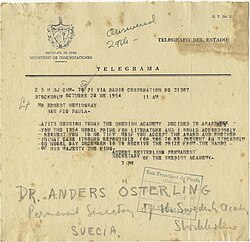
- First Awarded: 1901 (125 years ago).
- Awarding Body: The Swedish Academy.
- Most Recent Recipient: László Krasznahorkai (2025).
- First Laureate: Sully Prudhomme (1901).
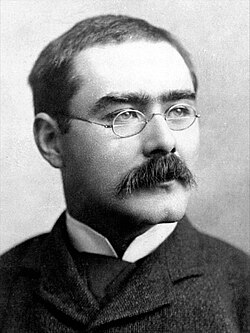
- Youngest Recipient: Rudyard Kipling.
- First Female Recipient: Selma Lagerlöf.
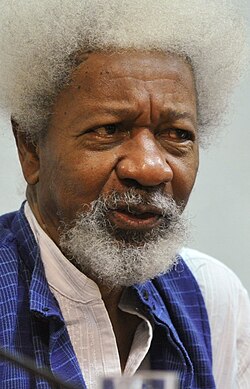
- First Black African Recipient: Wole Soyinka.
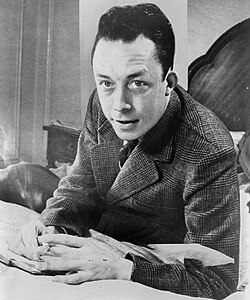
- First African-born Recipient: Albert Camus.
Historical Milestones and Notable Laureates
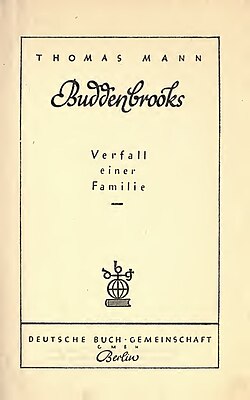
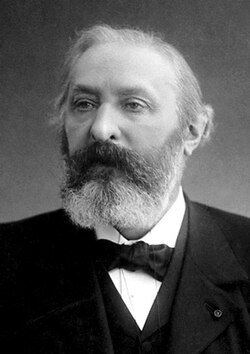
The journey of the Nobel Prize in Literature began in 1901 with French poet Sully Prudhomme, who was recognized for his "lofty idealism" and the combination of heart and intellect in his work.
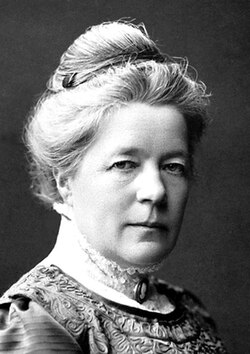
Over the decades, the prize has highlighted a diverse array of voices. Selma Lagerlöf broke gender barriers as the first woman to receive the award, while Rudyard Kipling holds the record as the youngest person ever honored.
The prize has also expanded its geographical reach. Albert Camus became the first African-born writer to be awarded, followed later by Wole Soyinka, the first Black African writer to receive the honor.
The Physical Honors
Beyond the monetary reward, laureates receive a gold medal and a personalized diploma. For example, the diploma awarded to Hermann Hesse in 1946 serves as a testament to the prize's formal tradition.

The production of the medals has shifted over time. From 1902 to 2010, they were struck by the Myntverket (the Swedish royal mint) in Eskilstuna. In 2011, production moved to Det Norske Myntverket in Kongsberg, and since 2012, they have been crafted by Svenska Medalj in Eskilstuna.
Nomination and Selection Process
The process of selecting a Nobel laureate is shrouded in strict confidentiality. Nominations are kept secret for at least 50 years. Consequently, as of 2025, only nominations submitted between 1901 and 1973 are available for public viewing via the official nomination database.

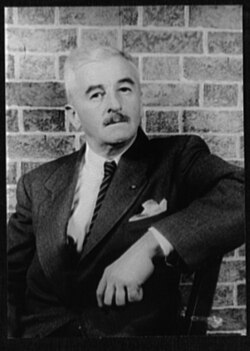
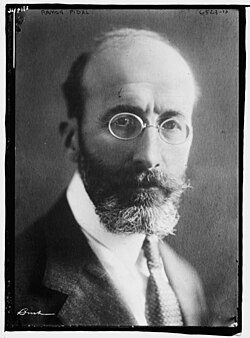
While some authors, such as William Faulkner, were awarded the prize after only a single nomination, others faced a much longer road. Spanish philologist Ramón Menéndez Pidal, for instance, was nominated numerous times but never received the award.
Nomination Statistics (1901–1975)
The following table provides a snapshot of the nomination trends during the early decades of the prize, illustrating the volume of candidates and the demographics of the nominees.
| Year | Total Nominations | Nominees | Women | Oldest Nominee | Youngest Nominee |
|---|---|---|---|---|---|
| 1901 | 37 | 26 | 1 | Charles Renouvier (86) | Edmond Rostand (33) |
| 1910 | 27 | 25 | 2 | Paul Heyse (80) | Maurice Maeterlinck (48) |
| 1926 | 37 | 29 | 4 | Thomas Hardy (86) | Vicente Huidobro (33) |
| 1949 | 43 | 35 | 3 | George Santayana (86) | Albert Camus (36) |
| 1969 | 184 | 103 | 5 | Stijn Streuvels (98) | Ivan Drach (33) |
| 1975 | — | 114 | 13 | Marie Under (92) | Brendan Kennelly (39) |
Frequently Asked Questions
Who is responsible for choosing the Nobel Prize in Literature winner?
The prize is presented by the Swedish Academy, which manages the nomination and selection process in Stockholm, Sweden.
How long are Nobel nominations kept secret?
Nominations are kept confidential for at least 50 years before they are released to the public through the official nomination database.
Who was the first woman to win the Nobel Prize in Literature?
Selma Lagerlöf was the first female author to be awarded the prize.
What is the current monetary value of the prize?
As of 2023, the reward for the Nobel Prize in Literature was 11 million SEK.
Can a writer be nominated multiple times without winning?
Yes. For example, Spanish philologist Ramón Menéndez Pidal received numerous nominations throughout his life but was never awarded the prize.