English Literature: A Comprehensive History from Old English to the Modern Era
English literature encompasses all written works in the English language from across the English-speaking world. Spanning over 1,400 years, the language has evolved from regional dialects into a global medium of artistic expression. This evolution was shaped by conquests, technological breakthroughs, and the expansion of the British Empire, eventually giving rise to diverse literary traditions in the United Kingdom, the United States, and former colonies.
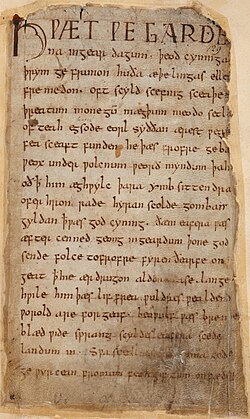
The journey of English literature begins with Old English, a set of Anglo-Frisian dialects brought to Great Britain by Anglo-Saxon settlers in the fifth century. The most enduring work from this period is Beowulf, which, despite its Scandinavian setting, serves as a national epic for England.
Key Facts
- Old English: The earliest form of the language, exemplified by the epic poem Beowulf.
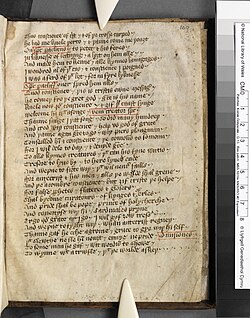
- Middle English: Emerged after the Norman Conquest of 1066, blending Anglo-Saxon roots with French influence.
- Standardization: The printing press (1439), the King James Bible (1611), and the Great Vowel Shift helped stabilize the language.
- Global Reach: The British Empire spread English worldwide, leading to a high concentration of Nobel Prizes in Literature for English-language writers.
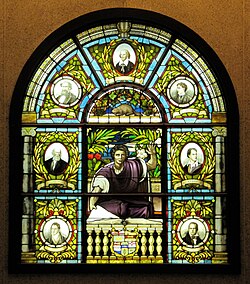
- Defining Figures: William Shakespeare is widely regarded as the greatest writer in the English language.
The Evolution of the English Language
From Old English to Middle English
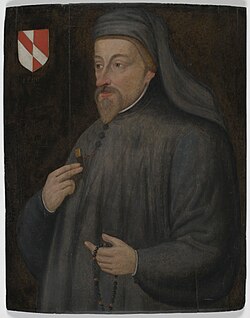
Following the Norman Conquest in 1066, the written Anglo-Saxon language declined as French became the language of the aristocracy, parliament, and courts. This transition led to Middle English, which persisted until the 1470s. During this time, Geoffrey Chaucer, the author of The Canterbury Tales, played a pivotal role in legitimizing the vernacular (the common spoken language) over the dominant French and Latin.
Standardization and the Printing Press
The 15th century marked a turning point with Johannes Gutenberg's invention of the printing press in 1439. This technology, combined with the rise of the London-based Chancery Standard and the publication of the King James Bible in 1611, helped standardize English spelling and grammar.
Major Literary Eras and Movements
The Tudor and Stuart Periods
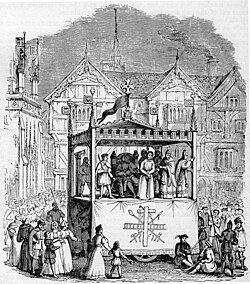
The Elizabethan era (1558–1603) saw the rise of influential drama. Early works like Gorboduc introduced blank verse (unrhymed iambic pentameter), while Thomas Kyd's The Spanish Tragedy established the revenge play genre. This era culminated in the works of William Shakespeare, whose plays remain the most performed in history.
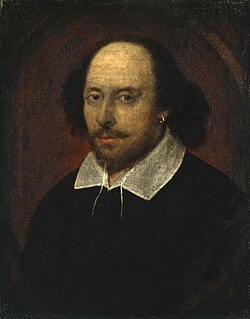
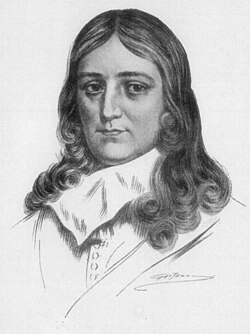
The Stuart period followed, featuring the massive translation project of the King James Bible (1604–1611). Later, the Cavalier poets—courtiers supporting King Charles I—utilized allegory and classical allusions influenced by Roman authors like Horace and Ovid. John Milton, the last great poet of the English Renaissance, produced masterpieces such as Paradise Lost (1667).
The Age of Sensibility and Romanticism
The 18th century saw the rise of the "graveyard poets," whose gloomy meditations on mortality paved the way for the Romantic movement. These precursors focused on the sublime (a feeling of overwhelming grandeur or power) and the uncanny. By the early 19th century, Romanticism flourished, emphasizing emotion, nature, and folk poetry.
The Victorian Era and the Rise of the Novel
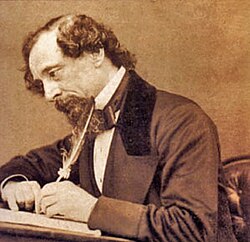
The Victorian era (1837–1901) was characterized by the growth of the novel and sage writing. This period saw the emergence of significant genre fiction and children's literature, as well as the historical romances of Sir Walter Scott, which influenced artists across Europe.
The 20th Century and Modernism
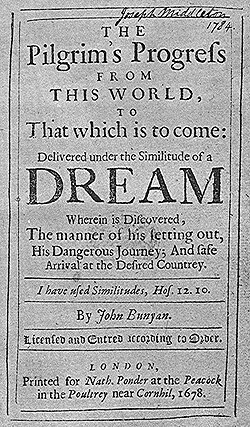
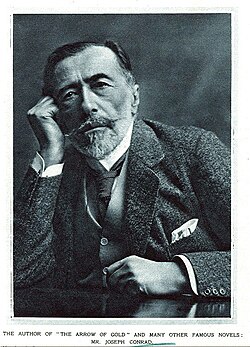
Modernism emerged around the turn of the century, breaking away from Victorian conventions. Transitional figures like Thomas Hardy and Henry James bridged the gap between the two eras. Joseph Conrad and W.B. Yeats became pillars of early modernist literature, while T.S. Eliot, an American-born British citizen, redefined poetry with The Waste Land (1922).
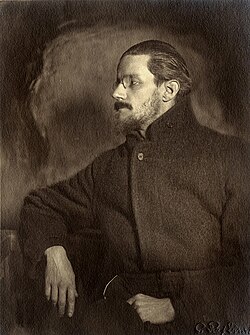
As the century progressed, late modernism and post-modernism evolved, with poets like W.H. Auden and Dylan Thomas continuing to shape the literary landscape. Simultaneously, writers from the Commonwealth of Nations and the United States expanded the reach and diversity of English literature.
Global Impact and Recognition
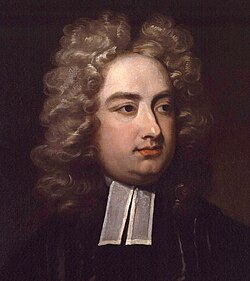
The spread of the British Empire, which at its peak controlled 23% of the world's population by 1913, established English as a global tongue. Consequently, writers from Great Britain, Ireland, the US, and former colonies have received more Nobel Prizes in Literature than writers of any other language.
| Year | Author | Region/Country |
|---|---|---|
| 1907 | Rudyard Kipling | UK (born in British India) |
| 1913 | Rabindranath Tagore | India |
| 1923 | W. B. Yeats | Ireland |
| 1948 | T.S. Eliot | UK (born in US) |
| 1954 | Ernest Hemingway | US |
| 1986 | Wole Soyinka | Nigeria |
| 2017 | Kazuo Ishiguro | UK (born in Japan) |
Frequently Asked Questions
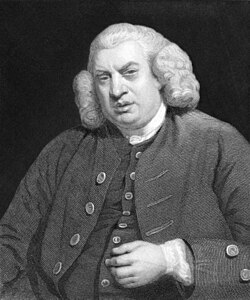


What is the difference between Old English and Middle English?
Old English refers to the Anglo-Frisian dialects spoken from the 5th century until the Norman Conquest of 1066. Middle English developed after 1066, heavily influenced by the French language used by the new ruling aristocracy.
Who is considered the most influential writer in English literature?
William Shakespeare is widely regarded as the greatest writer in the English language and one of the world's most significant dramatists, with his plays translated into every primary living language.
How did the printing press affect the English language?
Invented by Johannes Gutenberg in 1439, the printing press helped standardize the English language by making consistent written forms more widely available.
What was the "Graveyard School" of poetry?
The graveyard poets were 18th-century writers whose work was characterized by gloomy meditations on mortality, serving as a precursor to the Romantic movement.
Why do so many English-language writers win the Nobel Prize?
The global spread of the English language via the British Empire and the subsequent development of rich literary traditions in the US and former colonies have created a vast and diverse pool of world-class writers.