The Hidden Maps of Nature: Understanding Nectar Guides
Have you ever wondered why flowers possess such intricate patterns, spots, or lines? While they may look like simple decorations to the human eye, these markings often serve a much more critical biological purpose. In the world of botany, these patterns are known as nectar guides.
Nectar guides act as biological signposts, directing pollinators toward the "rewards" hidden within a flower. By providing a visual map, plants can communicate effectively with the insects and animals they rely on for reproduction. This sophisticated signaling system is a cornerstone of successful pollination.
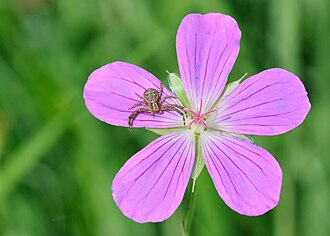
How Nectar Guides Facilitate Pollination
Pollination is a complex interaction between plants and animals. To ensure this process happens efficiently, many angiosperms (flowering plants) use nectar guides to signal that a reward is available. These rewards are not always just liquid sugar; depending on the species, a plant may offer nectar, pollen, oils, resins, scents, or waxes.
The Benefits of Floral Signaling
The evolution of these markings is driven by pollinator-mediated selection, a process where the preferences and behaviors of pollinators influence which floral traits are passed down to future generations. Nectar guides provide several evolutionary advantages:
- Increased Foraging Efficiency: By guiding insects directly to the reward, these patterns reduce "handling time"—the amount of time a pollinator spends searching for food—allowing them to forage more effectively.
- Reduced Nectar Robbing: Nectar robbing occurs when a pollinator bypasses the reproductive parts of a flower to steal nectar. Clear guides can help direct pollinators to the correct path, ensuring they contact the pollen and increase the plant's overall fitness (its ability to survive and reproduce).
Because of their functional role, some researchers refer to these markings as "pollen guides" or "honey guides," though many modern authorities prefer the broader term floral guides.
The Spectrum of Visibility: From Human Eyes to Ultraviolet Light
One of the most fascinating aspects of nectar guides is that they are not always visible to us. While some plants display patterns that are obvious to humans, many others hide their maps in a spectrum of light we cannot perceive.
Visible Patterns
Some species, such as the Dalmatian toadflax (*Linaria genistifolia*), feature striking colors that humans can easily see, such as yellow petals marked with orange nectar guides.
The Ultraviolet Secret
Many pollinators, particularly honey bees, have vision that extends into the ultraviolet (UV) spectrum. To these insects, flowers that look plain to us may appear to have bold, dark centers or intricate patterns on the petals. These UV patterns often point directly to the nectaries, the specialized structures that produce nectar.
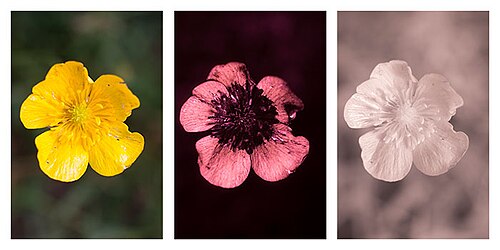
Scientists use specific terms to describe these invisible colors. Ultraviolet light is sometimes referred to as bee violet. When greenish-yellow wavelengths (approximately 540 nm) mix with ultraviolet light, the resulting color is known as bee purple, an analogy used to describe how it might appear to an insect's visual system.
Key Facts
- Primary Function: Nectar guides direct pollinators to rewards like nectar, pollen, oil, or resin.
- Evolutionary Advantage: They increase foraging efficiency and can reduce nectar robbing.
- Visibility: Guides can be visible to humans or only visible in the ultraviolet (UV) spectrum.
- Terminology: Also known as pollen guides, honey guides, or floral guides.
- Insect Vision: Bees can see "bee violet" (UV) and "bee purple" (UV mixed with yellow wavelengths).
Summary of Floral Guide Characteristics
| Feature | Visible to Humans | Visible in UV Light |
|---|---|---|
| Example Species | Dalmatian toadflax | Meadow buttercup |
| Visual Appearance | Colored spots, lines, or blotches | Darker centers or petal patterns |
| Primary Target | General pollinators | Insects like honey bees |
| Biological Goal | Directing pollinators to rewards | Directing pollinators to nectaries |
Frequently Asked Questions
What are the different types of rewards flowers provide?
While nectar is the most common reward, plants may also provide pollen, oils, resins, waxes, or even specific scents to attract pollinators.
Why are nectar guides important for plant fitness?
By guiding pollinators efficiently to the reward, these markings ensure that pollen is transferred more effectively and reduce the likelihood of nectar robbing, both of which help the plant reproduce successfully.
Can humans see all nectar guides?
No. While some guides are visible in the human spectrum, many are only visible in ultraviolet light, which is detectable by insects like honey bees but invisible to the human eye.
What is "bee purple"?
Bee purple is a term used to describe the color perceived by insects when greenish-yellow wavelengths (around 540 nm) are mixed with ultraviolet light.
What is the difference between a nectar guide and a nectar robber?
A nectar guide is a visual pattern that helps a pollinator find the reward correctly. A nectar robber is a pollinator that bypasses the flower's intended path to steal nectar, often without assisting in pollination.