Plant Reproductive Morphology: The Science of Floral Diversity
Plant reproductive morphology is the specialized study of the physical forms and structures that facilitate sexual reproduction. While many organisms participate in reproductive cycles, the angiosperms (flowering plants) exhibit the most extraordinary physical variety. From the smallest duckweed to massive trees, the way plants structure their reproductive organs determines how they interact with their environment and ensure the survival of their species.
The breeding system—the specific method by which sperm fertilizes an ovum—is the primary driver of the genetic structure in nonclonal plant populations. Historically, this field was advanced by Christian Konrad Sprengel, who first recognized that pollination involves both biotic (living) and abiotic (non-living) interactions. This foundation allowed Charles Darwin to develop his theories of natural selection, specifically regarding the coevolution of flowers and their insect pollinators.
Foundational Concepts of Plant Life Cycles
To understand plant morphology, one must first understand the alternation of generations. Plants cycle through two distinct stages:
- Sporophyte: The generation that produces spores.
- Gametophyte: The generation that produces gametes (eggs and sperm).
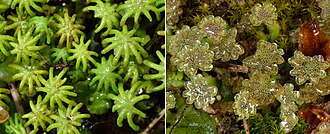
While we often use gendered terms to describe plants, strictly speaking, spores and sporophytes are neither male nor female because they do not produce gametes. It is the gametophyte generation that carries the sexual identity. These can be monoicous (bisexual, producing both eggs and sperm) or dioicous (unisexual, where one plant produces eggs and another produces sperm).
Flower Morphology and Sexual Variations
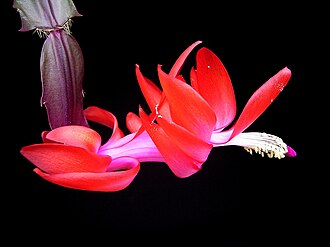
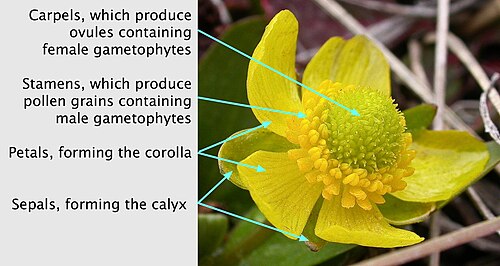
In flowering plants, the reproductive organs are housed within the flower. A central structure, often formed by the fusion of two or more carpels, is known as a pistil. The diversity of these structures leads to several distinct sexual arrangements:
Bisexual and Unisexual Flowers
A flower containing both functional stamens (male parts) and functional carpels (female parts) is termed bisexual or hermaphroditic. Conversely, if a flower lacks one of these functional organs, it is unisexual. Staminate flowers are purely male, while carpellate (or pistillate) flowers are purely female.
Species-Level Sexual Arrangements
Beyond individual flowers, entire species follow specific patterns of sexual distribution:
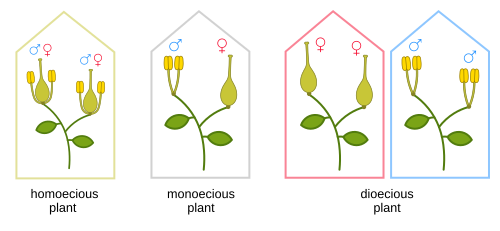
- Homoecious: The species produces only bisexual flowers.
- Monoecious: The species produces separate male and female flowers on the same individual plant.
- Dioecious: Each individual plant is either strictly male or strictly female.
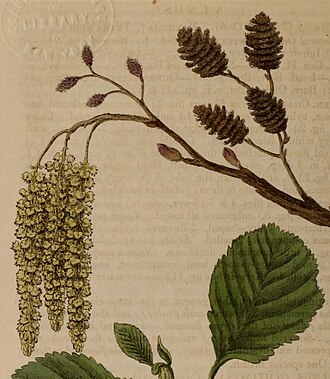
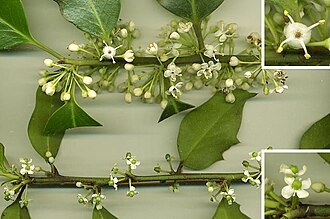
For example, the common alder (*Alnus glutinosa*) is monoecious, featuring separate male catkins and female flowers on the same tree. In contrast, most hollies (*Ilex aquifolium*) are dioecious, meaning gardeners must ensure they have both male and female plants to achieve fruit production.
Some plants even exhibit sex-switching. The *Amborella* plant can change its sex over time, and the Jack-in-the-pulpit (*Arisaema triphyllum*) transitions from male to female as the plant grows larger over several years.
Summary of Reproductive Terms
| Term | Description | Example/Context |
|---|---|---|
| Bisexual | Flower has both stamens and carpels | Common in most angiosperms |
| Monoecious | Male and female flowers on one plant | Common alder (*Alnus*) |
| Dioecious | Male and female flowers on separate plants | Holly (*Ilex*) |
| Protandrous | Male parts mature before female parts | Mechanism to prevent self-pollination |
| Protogynous | Female parts mature before male parts | Mechanism to promote outcrossing |
Key Facts
- Outcrossing (cross-fertilization) is the most common mode of reproduction, occurring in approximately 55% of higher plant species.
- Self-incompatibility is a genetic mechanism used by plants to ensure outcrossing and increase genetic diversity.
- Only about 8% of higher plant species reproduce exclusively through non-sexual means, such as vegetative reproduction or apomixis.
- Approximately 6% of angiosperm species are dioecious.
- Dichogamy (different timing of sex maturation) is a vital morphological adaptation to prevent self-fertilization.
Frequently Asked Questions
What is the difference between monoecious and dioecious plants?
A monoecious plant has both male and female flowers on the same individual plant. A dioecious plant has distinct male and female individuals; one plant will only produce pollen, while the other will only produce ovules.
Why do plants use outcrossing?
Outcrossing, or cross-fertilization, helps mask deleterious recessive mutations, which provides a selective advantage by increasing the genetic health and diversity of the population.
Can a plant change its sex?
Yes. Some species, such as Amborella and Jack-in-the-pulpit, exhibit sex-switching or change their sexual expression based on their age or growth stage.
What are staminodes?
Staminodes are stamens that have become reduced, sterile, and are unable to produce pollen. These are often found in female flowers of dioecious species like holly.
What is the difference between a sporophyte and a gametophyte?
The sporophyte is the generation that produces spores, while the gametophyte is the generation that produces gametes (sperm and eggs).