Nazism: The Ideology and History of National Socialism
Nazism, also known as National Socialism (NS), is a far-right, ultranationalist, and totalitarian ideology inextricably linked to Adolf Hitler and the Nazi Party (NSDAP). Emerging in Germany during the early 20th century, Nazism is a specific form of fascism that relies on pseudo-scientific theories of racial hierarchy. These theories identified ethnic Germans and Nordic Aryans as a "master race," while designating others as inferior.
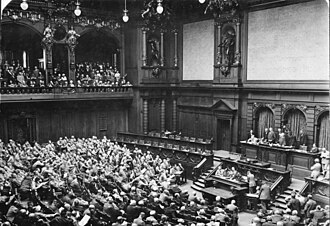
At its core, Nazism sought to dismantle liberal democracy and the parliamentary system in favor of a rigid dictatorship. The movement aimed to create a homogeneous German society based on racial purity, eliminating social divisions by subordinating individual and class interests to the perceived "common good" of the nation.

Key Facts
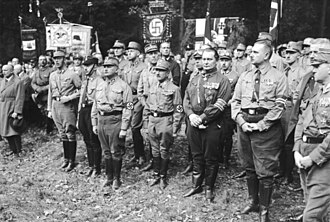
- Core Ideology: A totalitarian form of fascism emphasizing racial hierarchy and white supremacy.
- Leadership: Centered on the Führerprinzip (leader principle), granting absolute authority to Adolf Hitler.
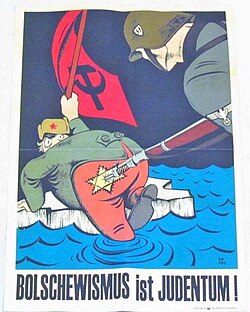
- Primary Targets: Promoted fervent antisemitism, anti-communism, anti-Slavism, and hatred toward Romani people, homosexuals, and the disabled.
- Territorial Goal: The doctrine of Lebensraum (living space) drove the quest for eastward expansion into Europe.
- Political Stance: Opposed to Marxist socialism, free-market capitalism, and cosmopolitan internationalism.
The Origins and Evolution of National Socialism
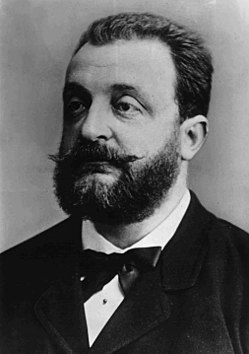
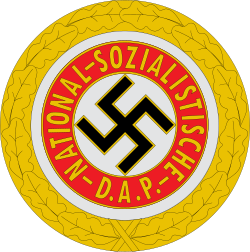
The term "National Socialism" was developed as a nationalist alternative to both Marxist socialism and free-market capitalism. While it rejected the Marxist concept of class conflict and universal equality, it sought to appeal to the working class. The movement's precursor, the German Workers' Party, was founded in 1919 and renamed the National Socialist German Workers' Party (NSDAP) in 1920 to broaden its appeal to left-wing workers.
Intellectual and Racial Foundations
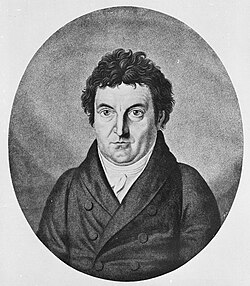
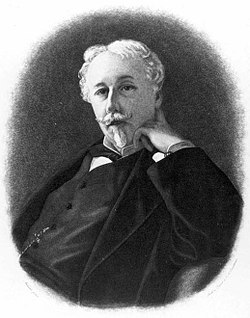
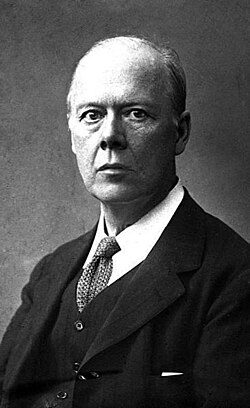
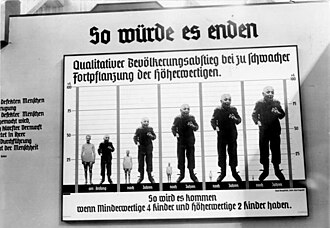
Nazism did not emerge in a vacuum; it drew from various 19th and early 20th-century currents. Völkisch nationalism and Pan-Germanism provided the cultural groundwork, while thinkers like Arthur de Gobineau and Houston Stewart Chamberlain contributed to the invention of the "Aryan race" theory. The ideology also incorporated elements of social Darwinism and eugenics—the practice of improving the human species by selectively mating people with regarded desirable hereditary traits.
The Rise of the Führer
In his seminal work Mein Kampf (My Struggle), Adolf Hitler outlined his vision for Germany. He proposed the Führerprinzip, which demanded absolute obedience to a single leader. His political objectives included the colonization of Eastern Europe, the unification of all Germans in historically German territories, and a strategic alliance with Britain and Italy to oppose the Soviet Union.
Core Ideological Pillars
Racial Hierarchy and the "Untermensch"
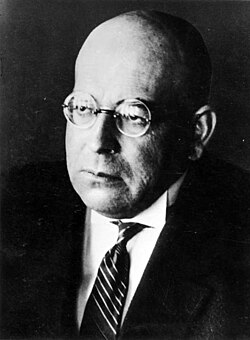
The Nazis categorized humanity into a strict hierarchy. At the top were the Nordic Aryans. Those deemed "Community Aliens" or inferior races were labeled Untermenschen (sub-humans). This classification justified the persecution and eventual extermination of Jews, Romani people, and Slavic populations.
![Cover of the racist booklet "Der Untermensch" published by SS in 1942. 4 million copies of the brochure were printed by Nazi Germany and distributed across occupied territories. The pamphlet depicted the Slavic and Jewish inhabitants of Eastern Europe as primitive people.[209]](/images/8e/e2/8ee2952c9592bb40c99c948e3590cd5d4ae6ea3ed2371c6a1d4e964d71eeb1de.jpg)
Lebensraum and Expansionism
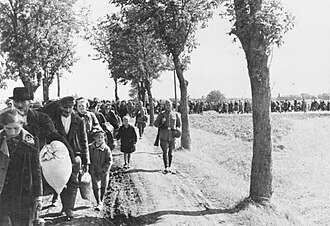
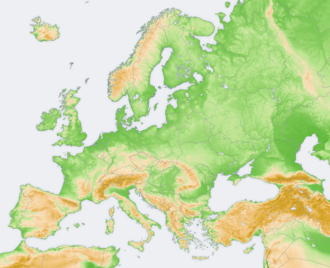
The doctrine of Lebensraum (living space) was the driving force behind Nazi foreign policy. Hitler argued that Germany required more land to sustain its population and achieve self-sufficiency. This led to the Drang nach Osten (drive to the East), targeting the Ural Mountains and resulting in the brutal expulsion and enslavement of Poles, Ukrainians, Belarusians, and Russians.
Social Control and Totalitarianism
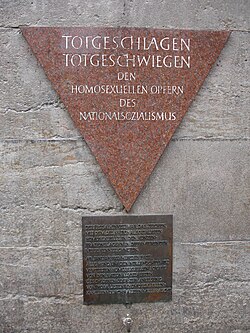
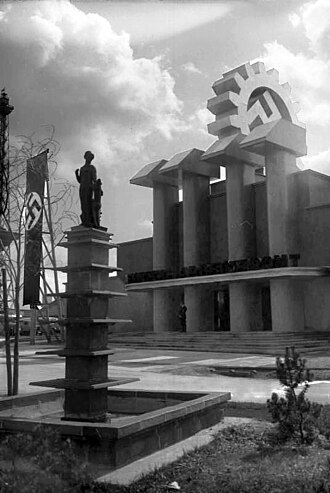
The Nazi state exercised total control over all aspects of life. This included the persecution of homosexuals, the implementation of ableism through the killing of the disabled, and the suppression of any religious or political opposition. The regime utilized "reactionary modernism," blending traditionalist values with modern technology and industrial organization to mobilize the masses.
Summary of Nazi Ideological Oppositions
![The Marinebrigade Ehrhardt during the Kapp Putsch in Berlin, 1920[149] The Marinebrigade Erhardt used the swastika as its symbol, as seen on their helmets and on the truck, which inspired the Nazi Party to adopt it as the movement's symbol.](/images/7c/54/7c54629fdaa9e9576d6c2ef7cbf3a3e7c935751bc9c4f44b8e5950ada5f11987.jpg)
| Target/System | Nazi Position | Reasoning |
|---|---|---|
| Liberal Democracy | Opposed | Viewed as weak and divisive; preferred the Führerprinzip. |
| Marxism/Communism | Opposed | Rejected class conflict in favor of racial unity. |
| Jewish People | Persecuted | Pseudo-scientific racial hatred and antisemitism. |
| Slavic Peoples | Subjugated | Viewed as Untermenschen to provide labor and land (Lebensraum). |
| Homosexuality | Criminalized | Viewed as a threat to the racial purity and growth of the state. |
Frequently Asked Questions
![The first trial of the Nazis in Europe, which took place in Kaunas in 1935. The accused claimed that the Klaipėda Region should be part of Germany, not Lithuania, and spread propaganda, prepared for an armed uprising.[177]](/images/dc/6e/dc6e73c058a7c51fe9f35e7379348a4507463917a3558d07b924af353797cf34.jpg)
What is the difference between Nazism and Fascism?
Nazism is a form of fascism, but it is specifically characterized by its intense focus on biological racism, antisemitism, and the pseudo-scientific pursuit of racial purity, which were more central to Nazism than to general Italian Fascism.
What was the Führerprinzip?
The Führerprinzip, or "leader principle," was the fundamental belief that the leader's word was above all written law. It demanded absolute loyalty and obedience to Adolf Hitler, replacing democratic decision-making with a top-down command structure.
What did the term "Untermensch" mean in Nazi ideology?
Untermensch translates to "sub-human." The Nazis used this term to describe people they considered racially inferior, primarily Jews, Romani people, and Slavs, to justify their dehumanization, enslavement, and mass murder.
How did Nazism view the economy?
Nazism rejected both free-market capitalism and Marxist socialism. Instead, it sought a third way where the economy was directed by the state to serve the "common good" and the military needs of the Reich, often involving the privatization of industries that aligned with Nazi goals.
What is neo-Nazism?
Neo-Nazism refers to far-right political movements and groups formed after World War II that seek to revive the ideology of National Socialism, including its beliefs in white supremacy and antisemitism.