Natchez Revolt: The Conflict and Displacement of a Mississippi People
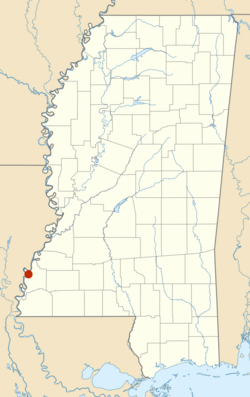
The Natchez revolt, also known as the Natchez massacre, was a pivotal and violent confrontation that occurred on November 28, 1729. This attack by the Natchez Native American people targeted French colonists near present-day Natchez, Mississippi. While the Natchez and French had coexisted in the Louisiana colony for over a decade through trade and intermarriage, a breakdown in diplomacy and territorial disputes led to a bloody uprising that forever altered the trajectory of the Natchez people.
The conflict centered around Fort Rosalie, where escalating tensions culminated in a coordinated strike. The aftermath of the revolt triggered a series of retaliatory campaigns by the French and their allies, leading to the eventual dispersal of the Natchez as a sovereign political entity.
Key Facts
- Date of Revolt: November 28, 1729.
- Primary Cause: Land demands by French commandant Sieur de Chépart for a personal plantation.
- Casualties: Approximately 230 French colonists killed.
- Social Structure: The Natchez were divided into a noble class (the Suns) and a commoner class (the Stinkards).
- Outcome: The Natchez were displaced, with survivors eventually integrating into the Muscogee (Creek) Nation.
The Natchez People and French Relations
First encountered by Robert de La Salle in 1682, the Natchez were a sedentary people living in nine semi-autonomous villages. The French viewed them as the most civilized tribe in the region. However, the population was severely impacted by European diseases; by 1700, the population had dropped to roughly 3,500, and by 1720, epidemics had halved that number again.
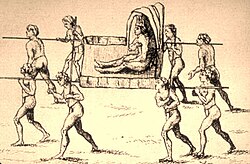
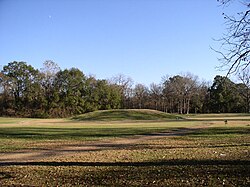
Natchez society was strictly hierarchical. The nobility, known as les Soleils (the Suns), held the highest status, while the commoners were referred to as les Puants (the Stinkards). The central village, the Grand Village, was governed by the paramount chief, the Great Sun, and the war chief, Tattooed Serpent.
Initially, the Natchez sought a French alliance to gain access to firearms, similar to the British-backed Chickasaw. However, the presence of the British created internal divisions, splitting the Natchez into pro-French and pro-British factions.
The Path to War
Relations began to deteriorate between 1722 and 1724. Early skirmishes were often the result of colonial misconduct. In one instance, Governor Bienville razed the village of White Apple based on false reports of harassment fabricated by colonists. Other tensions arose from the murder of a Natchez chief's son by a colonist, which prompted a retaliatory killing of a Frenchman named Guenot.
The Catalyst: Commandant Chépart
The final provocation came from the French colonial commandant, Sieur de Chépart. He demanded land from a Natchez village to establish his own plantation near Fort Rosalie. This demand, coupled with a period of warring and deteriorating relations, pushed the Natchez leadership to plot a decisive strike.
The Attack on Fort Rosalie
The Natchez carefully concealed their plans, and warnings provided to Chépart by colonists were dismissed as untruthful. On November 28, 1729, the Natchez launched a coordinated attack on the fort and surrounding homesteads. They killed nearly all of the 150 Frenchmen at Fort Rosalie, with only about 20 escaping to New Orleans.
Notably, the Natchez spared most of the women, children, and enslaved Africans. Some scholars suggest this was due to a sense of affinity between the Natchez and the enslaved Africans, some of whom joined the Natchez or used the chaos to escape to freedom. The total death toll was later estimated at 230 people: 138 men, 35 women, and 56 children.
French Retaliation and the Diaspora
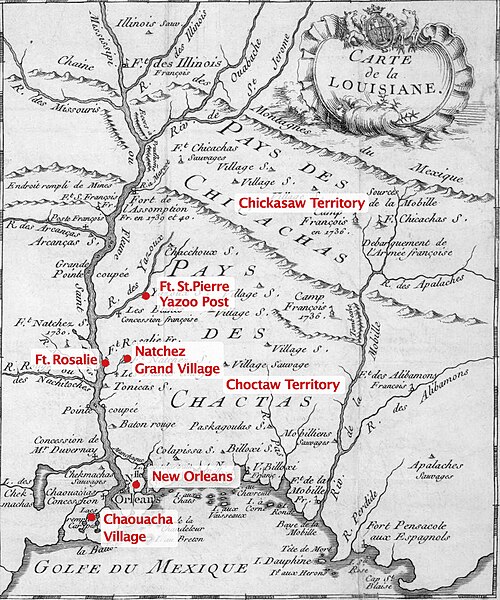
The response from New Orleans was swift and indiscriminate. Fearing a general uprising, the French first massacred the Chaouacha people—who were not involved in the revolt—wiping out their entire village. They then turned their attention to the Natchez, aided by Tunica and Choctaw allies.
Between 1729 and 1731, the French launched several expeditions. In January 1731, Perier attacked a Natchez stronghold near present-day Sicily Island, Louisiana, using iron grenades. Through a deceptive peace proposal, Perier captured several chiefs, including the new Great Sun, Saint Cosme. Hundreds of prisoners, including women and children, were sent to Saint-Domingue and sold into slavery.
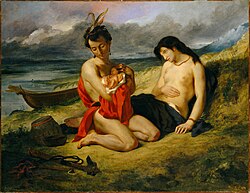
The remaining Natchez sought refuge among the Chickasaw, which sparked the Chickasaw Wars. After failed French campaigns in 1736 and 1739, the Natchez refugees eventually moved to live among the Cherokee and Creek people. By 1741, they established a town in the northern Upper Creek Nation. They later became signatories to the 1790 Treaty of New York and the 1796 Treaty of Colerain, and they remain a constituent tribe of the Muscogee (Creek) Nation today.
| Event/Group | Details |
|---|---|
| Primary Location | Fort Rosalie (near present-day Natchez, MS) |
| Key Figures | Great Sun, Tattooed Serpent, Sieur de Chépart, Governor Bienville |
| Casualties (Nov 1729) | ~230 French colonists killed |
| French Allies | Choctaw and Tunica |
| Final Status | Integrated into the Muscogee (Creek) Nation |
Frequently Asked Questions
Why did the Natchez revolt against the French?
The primary trigger was the demand by French commandant Sieur de Chépart for Natchez land to build a personal plantation. This followed years of deteriorating relations, colonial misconduct, and previous skirmishes.
Who were the "Suns" and "Stinkards"?
These were the two primary social classes of the Natchez. The Suns (les Soleils) were the noble class, while the Stinkards (les Puants) were the commoners.
Why were enslaved Africans spared during the massacre?
While not definitively proven, some scholars argue that the Natchez felt a general affinity for the enslaved Africans. Consequently, many were spared, and some even joined the Natchez or escaped to freedom.
What happened to the Natchez people after the wars?
After being driven from their lands and fleeing through the Chickasaw, Cherokee, and Creek territories, the survivors established a town in the Upper Creek Nation. They are now part of the Muscogee (Creek) Nation.
What was the role of the Chickasaw in this conflict?
The Chickasaw provided refuge to Natchez survivors, which led the French to launch the Chickasaw Wars in an attempt to destroy the remaining Natchez population.