Natchez People: History, Culture, and the Struggle for Survival
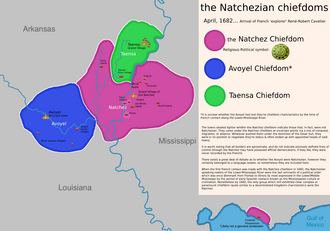
The Natchez were a powerful indigenous people of the lower Mississippi Valley, known for their complex social hierarchy and sophisticated chiefdoms. Once dominant in the region encompassing present-day Mississippi and Louisiana, their history is a saga of diplomatic maneuvering, violent conflict with European colonizers, and an enduring spirit of cultural survival.
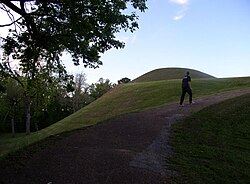
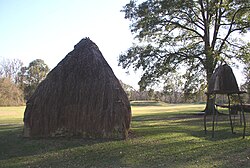
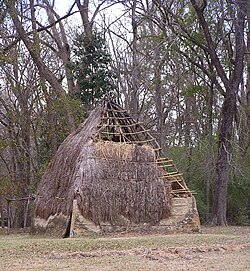
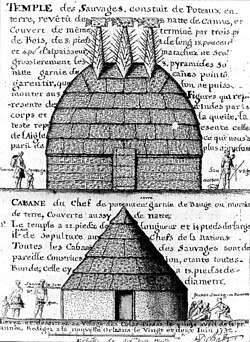
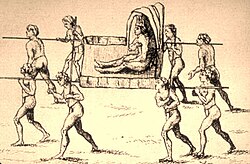
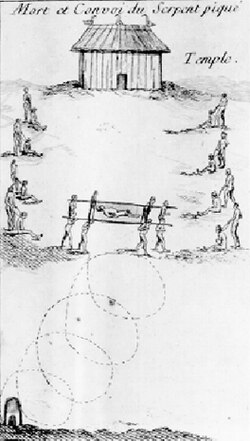
At their peak, the Natchez lived in a series of village districts, most notably the Grand Village of the Natchez. Their society was characterized by a rigid class structure led by a paramount chief known as the Great Sun. This civilization left behind significant archaeological footprints, including massive platform mounds used for temples and elite residences.
Key Facts
- Location: Historically centered on the Natchez Bluffs of the Mississippi River; later dispersed to Oklahoma, Louisiana, and South Carolina.
- Social Structure: A hierarchical chiefdom led by the Great Sun.
- Major Conflict: The Natchez Rebellion of 1729 against French colonists at Fort Rosalie.
- Language: A language isolate, with the last fluent speakers passing in 1944 and 1957.
- Modern Legacy: Many descendants are citizens of the federally recognized Muscogee (Creek) Nation.
Precontact and Early European Encounters
The earliest recorded European contact occurred in 1542 during the expedition of Hernando de Soto. The Spanish encountered a powerful chiefdom called "Quigualtam," which scholars believe may have been the Emerald Phase (1500–1680) of the Natchez chiefdom. This first meeting was brief and violent, ending with the Natchez chasing the Spanish away in canoes.
For over 140 years following de Soto, the Natchez had little direct contact with Europeans, though they were devastated by infectious diseases carried by other Native Americans who had traded with Europeans. By the time the French arrived in the late 17th century, power had shifted to the Grand Village of the Natchez.
Initial French relations were volatile. While René-Robert Cavelier, Sieur de La Salle, was welcomed in 1682, subsequent return trips were met with hostility. However, by 1700, relations improved; Pierre Le Moyne d'Iberville was honored with a three-day peace ceremony involving feasts and the smoking of a ceremonial pipe.
Society and Regional Power Struggles
In the early 18th century, the Natchez population was estimated between 4,000 and 6,000 people, organized into six to nine village districts. These included the lower St. Catherine's Creek area (Tioux, Flour, and the Grand Village) and northeastern districts like White Apple, Grigra, and Jenzenaque.

The Natchez were caught in a geopolitical struggle between the French in Louisiana and the British in Carolina. Carolinian traders provided firearms and alcohol to the Chickasaw tribe to the north, fueling a lucrative trade in enslaved Indigenous people. The Natchez occasionally allied with the Chickasaw in slave raids, such as a 1713 attack on the Chaouachas near the mouth of the Mississippi River.
As French settlement grew, they established Fort Rosalie and developed tobacco plantations. While the Natchez initially granted land to the French, the two groups held fundamentally different concepts of land ownership, sowing the seeds of future conflict.
The Road to Rebellion
Tensions escalated into four distinct conflicts during the 1710s and 1720s. The First Natchez War (1716) began after raiders from White Apple killed four French traders. This led to the establishment of Fort Rosalie as a military presence to maintain control.
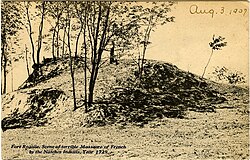
The breaking point came on November 28, 1729. Led by the Great Sun, the Natchez launched a massive revolt, destroying the settlement at Fort Rosalie. They killed between 229 and 285 colonists and took approximately 450 women and children captive.
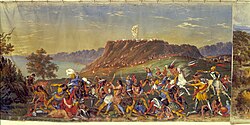
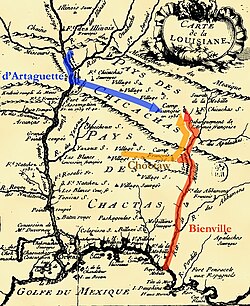
The French response was brutal. Allied with the Choctaw, the French besieged Natchez strongholds. In 1731, Governor Perier captured several chiefs through deception and sold the Great Sun, the Little Sun, and hundreds of others into slavery in Saint-Domingue (modern-day Haiti).
Diaspora and Cultural Survival
Following the wars of 1729–1731, the Natchez people were scattered. Some sought refuge with the Tunica—though this ended in violence—and others joined the Chickasaw, which triggered the French-Chickasaw Wars. Many Natchez eventually settled along the Hiwassee River in North Carolina or integrated with the Cherokee and Muscogee peoples.
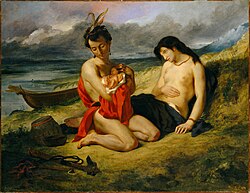
A small group of Natchez is documented to have settled in Colleton County, South Carolina, between 1750 and 1763. Meanwhile, those who integrated with the Cherokee were later forced westward during the 1830s on the Trail of Tears to Indian Territory (Oklahoma).
Today, the legacy of the Natchez lives on. Approximately 12,000 citizens of the Muscogee (Creek) Nation identify as Natchez. Efforts are currently underway to revive the Natchez language, which was considered a language isolate and lost its last fluent speakers by 1957.
| Category | Details |
|---|---|
| Political Structure | Chiefdom led by the Great Sun |
| Key Settlements | Grand Village of the Natchez, White Apple, Fort Rosalie |
| Major Adversaries | French Colonists, occasionally the Tunica |
| Language Status | Language isolate; currently in revival efforts |
| Modern Affiliation | Muscogee (Creek) Nation, Cherokee Nation |
Frequently Asked Questions
Who was the Great Sun?
The Great Sun was the paramount chief of the Natchez people, serving as the supreme leader of their hierarchical society and chiefdom.
What caused the Natchez Rebellion of 1729?
The rebellion was the culmination of years of tension over land ownership, French colonial expansion, and conflicts between the Natchez and French settlers at Fort Rosalie.
What happened to the Natchez after the French wars?
The population was scattered; many were sold into slavery in the Caribbean, while others sought refuge with the Chickasaw, Cherokee, and Muscogee peoples.
Is the Natchez language still spoken?
The last fluent speakers died in 1944 and 1957, but the Natchez nation is currently working to revive the language among its descendants.
Where can Natchez descendants be found today?
Significant populations of Natchez descendants are found within the Muscogee (Creek) Nation in Oklahoma, as well as among the Cherokee.