NASA: Pioneering Human Spaceflight and Cosmic Exploration
The National Aeronautics and Space Administration, known globally as NASA, serves as the United States federal government's primary agency for space exploration and aeronautics research. Formed on July 29, 1958, as the successor to the National Advisory Committee for Aeronautics (NACA), NASA has spent nearly seven decades expanding the boundaries of human knowledge and pushing the limits of technology.
From the early days of the Space Race to the modern era of commercial partnerships, NASA's mission has evolved from achieving firsts—such as the first orbital flight and the first lunar landing—to establishing a sustainable human presence in deep space and studying the furthest reaches of the universe.
Key Facts
- Established: July 29, 1958.
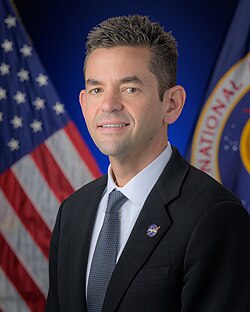
- Current Leadership: Led by Administrator Jared Isaacman.
- Workforce: Approximately 14,000 civil servants (as of 2026).
- Annual Budget: US$24.4 billion (2026).
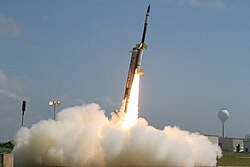
- Primary Spaceports: Kennedy Space Center, Cape Canaveral Space Force Station, Vandenberg Space Force Base, and Wallops Flight Facility.
- Strategic Focus: Scientific discovery, economic growth through innovation, and operational excellence.
A Legacy of Firsts: From Hypersonics to the Moon
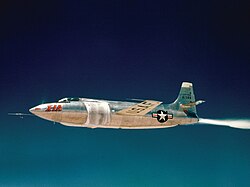
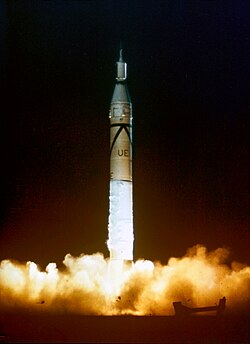
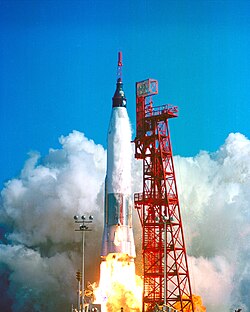
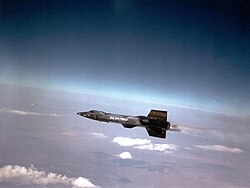
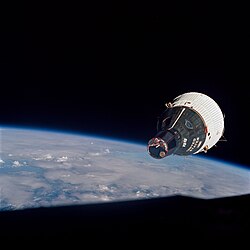
NASA's early history was defined by rapid acceleration in flight capabilities. The agency pioneered hypersonic flight (flight at speeds of Mach 5 or more) and achieved the first American orbital milestones. This era saw the launch of Explorer 1, the first U.S. satellite, and the subsequent Mercury and Gemini programs, which refined the techniques of orbital rendezvous and crewed flight.
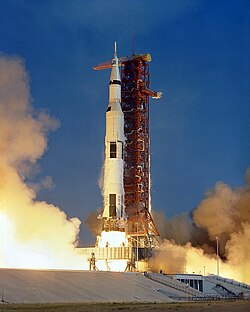
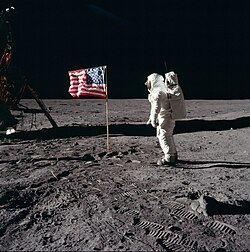
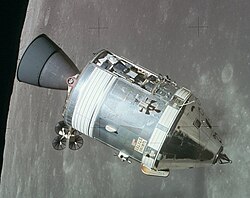
The pinnacle of this early era was the Apollo program, which successfully landed humans on the Moon. This monumental achievement not only demonstrated unprecedented engineering prowess but also expanded the scientific understanding of the lunar surface.
The Era of Space Stations and the Space Shuttle
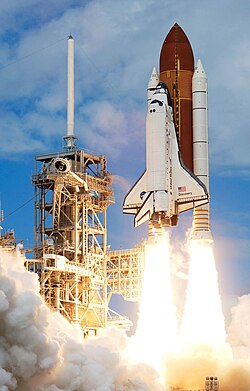
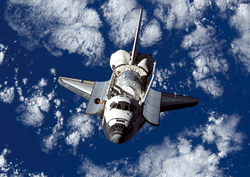
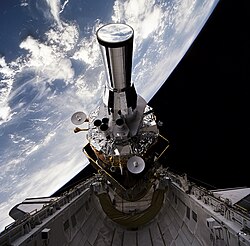
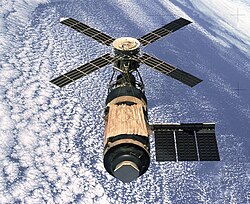
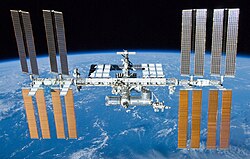
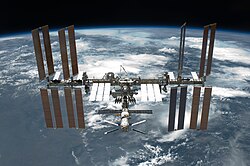
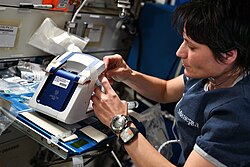
Following the Apollo missions, NASA shifted its focus toward long-term habitation and reusable transport. The Space Shuttle program introduced a versatile vehicle capable of deploying satellites and conducting complex orbital operations. This period also saw the development of space stations, starting with Skylab and culminating in the International Space Station (ISS), a collaborative effort that has been operational since 1993.
Robotic Exploration and Space Science
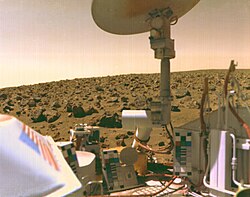
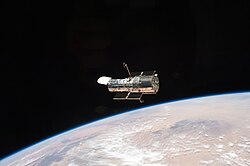
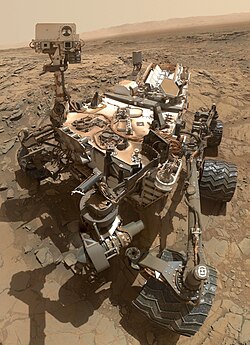
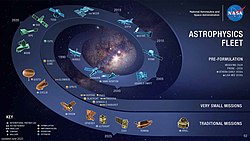
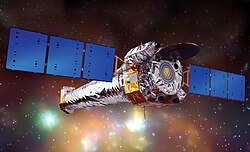
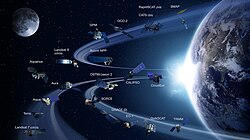
While humans explored Low Earth Orbit, NASA's robotic fleet ventured further. The agency has deployed sophisticated landers and rovers to Mars, such as Curiosity and Perseverance, to search for signs of ancient life. In the realm of astrophysics, the Hubble Space Telescope and the Chandra X-ray Observatory have provided a window into the deep cosmos, while the Earth Science Division monitors our own planet's climate and environment.
Modern Initiatives and the Return to the Moon
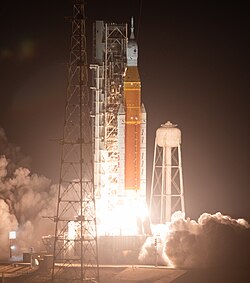
Today, NASA is transitioning toward a model of Commercial LEO Development, partnering with private companies for crew and cargo transport via the Commercial Crew and Commercial Resupply Services programs. The most ambitious current endeavor is the Artemis program, which aims to return humans to the lunar surface and establish a sustainable presence as a stepping stone for future Mars missions.
Specialized Research and Operations
Beyond planetary exploration, NASA maintains critical infrastructure and research programs, including:
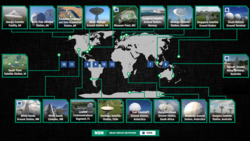
- Deep Space Network (DSN): A global antenna array for communicating with distant spacecraft.
- Planetary Defense: Detecting and mitigating threats from Near Earth Objects (NEOs).
- Aeronautics Research: Developing next-generation aircraft like the X-57 Maxwell.
- UAP Study: Investigating Unidentified Aerial Phenomena since 2022.
Agency Organization and Budget
NASA operates through several Mission Directorates, each managing a specific portion of the agency's budget and strategic goals. The Human Spaceflight directorate receives the largest share of funding, reflecting the agency's commitment to crewed exploration.
| Mission Directorate | Associate Administrator | Budget Percentage |
|---|---|---|
| Human Spaceflight (HSMD) | Lori Glaze | 45% |
| Science (SMD) | Nicola Fox | 32% |
| Mission Support (MSMD) | John Bailey | 14% |
| Research and Technology (RTMD) | James Kenyon | 9% |
Frequently Asked Questions
When was NASA formed and what agency did it replace?
NASA was formed on July 29, 1958, replacing the National Advisory Committee for Aeronautics (NACA), which had operated from 1915 to 1958.
What is the primary goal of the Artemis program?
The Artemis program is designed to return humans to the Moon, establish a sustainable lunar presence, and prepare for future crewed missions to Mars.
How does NASA handle cargo and crew transport to the ISS today?
NASA utilizes the Commercial Crew Program (including SpaceX's Crew Dragon and Boeing's Starliner) and Commercial Resupply Services (including Dragon 2 and Cygnus XL) to transport astronauts and supplies.
What is the purpose of the Deep Space Network?
The Deep Space Network is a critical communication architecture that allows NASA to maintain contact with spacecraft traveling far beyond Earth's orbit.
Who is the current Administrator of NASA?
As of the current records, the Administrator of NASA is Jared Isaacman.