Myron Taylor: The Diplomat Between the U.S. and the Vatican
Myron Taylor was a pivotal figure in mid-20th century American diplomacy, serving as a bridge between the United States government and some of the most influential spiritual and political leaders of the era. From managing refugee crises to navigating the complexities of the Holy See during World War II, Taylor's career was defined by high-stakes mediation and humanitarian efforts.
The Évian Conference and the Refugee Crisis
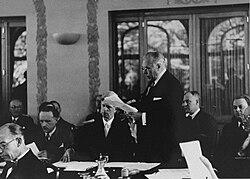
In July 1938, Taylor represented the United States at the Évian Conference in Évian-les-Bains, France. This gathering was convened by President Franklin D. Roosevelt to address the growing number of Jewish refugees fleeing Nazi persecution. The conference occurred during a critical window before Adolf Hitler transitioned to the mass extermination of Jews known as the Holocaust.
The conference was proposed by Sumner Welles, the U.S. Under Secretary of State, with the goal of identifying countries willing to accept refugees. President Roosevelt gave Taylor a straightforward directive: "All you need to do is get these people together." Although Taylor served as chairman and was unable to secure significant immigration concessions, the conference resulted in the approval of the Intergovernmental Committee on Refugees.
Personal Envoy to Pope Pius XII
On December 22, 1939, President Roosevelt appointed Taylor as his "personal envoy" to Pope Pius XII. This special mission was officially announced the following day and confirmed in Rome on February 28, 1940. While his title was "Peace Ambassador," the Holy See extended full ambassador status to Taylor on February 13, 1940.
This appointment was not without controversy. Many American Protestant denominations—including Methodists, Presbyterians, Lutherans, Baptists, and Seventh-day Adventists—officially protested the appointment, opposing the establishment of formal diplomatic relations between the United States and the Vatican.
Diplomacy During World War II
Taylor's role evolved as the global conflict intensified. Initially, he worked to prevent Italy from aligning with Germany. After leaving Rome in September 1941, he later influenced the Allies to limit the bombing of Rome between 1943 and 1944. He advocated for targeting only specific military objectives to preserve the ancient city's cultural resources.
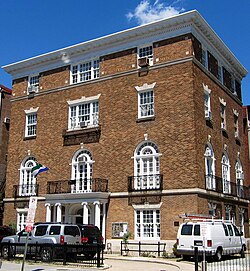
During this period, Harold H. Tittmann Jr. served as chargé d'affaires (a diplomat who temporarily takes charge of an embassy in the absence of the ambassador). Following the Japanese attack on Pearl Harbor on December 13, 1941, Tittmann was required to move into Vatican City due to rising tensions. Taylor briefly returned to Rome in September 1942 before returning to the U.S. in October.
Humanitarian Efforts and Later Service
Beyond political mediation, Taylor was instrumental in securing an Allied military airbase in neutral Portugal. As the war ended, he recognized the desperate need for aid in Italy and established American Relief for Italy. This organization became the primary vehicle for delivering food, clothing, and medicine to millions of Italians, raising approximately $6 million in public funds and distributing over $37 million in supplies.
Following the death of President Roosevelt, Taylor agreed to continue his mission under President Harry S. Truman. Truman expanded Taylor's mandate, charging him to engage not only with the Pope but with other spiritual and secular leaders across Europe. Taylor eventually resigned in January 1950.
Key Facts
- Role at Évian: Chaired the 1938 conference that created the Intergovernmental Committee on Refugees.
- Vatican Envoy: Served as personal envoy to Pope Pius XII from 1940 until 1950.
- Cultural Preservation: Urged the Allies to limit bombing in Rome to specific military targets to save cultural sites.
- Humanitarian Impact: Founded American Relief for Italy, distributing over $37 million in relief supplies.
- Presidential Service: Served under both Franklin D. Roosevelt and Harry S. Truman.
| Period | Key Role/Event | Primary Objective/Outcome |
|---|---|---|
| July 1938 | Évian Conference | Address Jewish refugee crisis; created Intergovernmental Committee on Refugees. |
| 1940–1950 | Envoy to Pope Pius XII | Maintain U.S.-Vatican relations and pursue peace efforts. |
| 1943–1944 | Allied Bombing Liaison | Protect Rome's cultural resources by limiting bombing targets. |
| Post-WWII | American Relief for Italy | Provided food and medicine to millions of Italians. |
Frequently Asked Questions
What was the outcome of the Évian Conference?
While the conference failed to secure significant immigration concessions for Jewish refugees fleeing Nazi persecution, it did lead to the creation of the Intergovernmental Committee on Refugees.
Why was Myron Taylor's appointment to the Vatican controversial?
His appointment was protested by several American Protestant denominations, including Baptists and Methodists, who were opposed to the United States maintaining diplomatic relations with the Vatican.
How did Taylor help preserve the city of Rome?
Taylor influenced the Allies to limit their bombing campaigns in 1943–1944 to specific military targets, ensuring that the ancient city's cultural resources were not destroyed.
What was American Relief for Italy?
It was a humanitarian organization established by Taylor to provide essential food, clothing, and medicine to millions of suffering Italians after World War II, distributing over $37 million in supplies.
Under which U.S. Presidents did Myron Taylor serve?
Taylor served as a diplomat and personal envoy under both President Franklin D. Roosevelt and President Harry S. Truman.