Franklin D. Roosevelt: The Architect of the New Deal and World War II Leadership
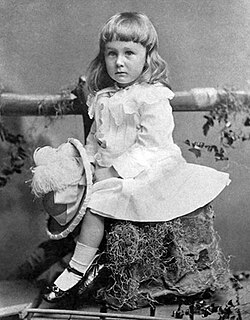
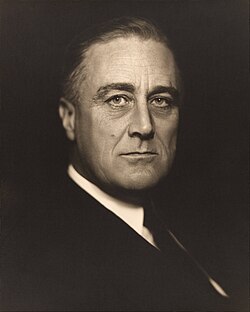
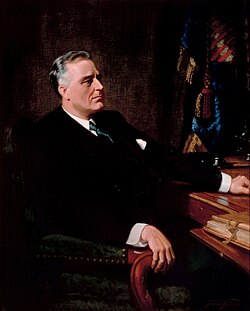
Franklin Delano Roosevelt, commonly known as FDR, stands as one of the most influential figures in American history. Serving as the 32nd president of the United States from 1933 until his death in 1945, he holds the unique distinction of being the longest-serving US president and the only individual to be elected to more than two terms. His presidency was defined by two of the greatest crises of the 20th century: the Great Depression and World War II.
A stalwart of the Democratic Party, Roosevelt's journey to the White House was marked by a rise through New York politics and a personal battle with a paralytic illness that tested his resolve and reshaped his public image.
Key Facts
- Presidency: Served from March 4, 1933, to April 12, 1945.
- Major Initiatives: Launched the First and Second New Deals to combat the Great Depression.
- War Leadership: Led the United States through the majority of World War II.
- Political Career: Former New York State Senator and 44th Governor of New York.
- Historic Milestone: Only US president to serve more than two terms.
Early Life and Political Ascent
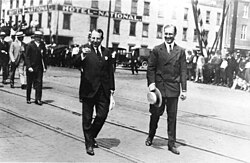
Born on January 30, 1882, in Hyde Park, New York, Roosevelt was educated at Harvard University. His early career was characterized by a steady climb through the political ranks of New York. He served as a member of the New York State Senate from 1911 to 1913, representing the 26th district.
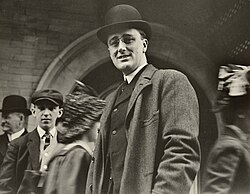
Following his time in the state senate, Roosevelt entered the federal arena as the Assistant Secretary of the Navy under President Woodrow Wilson, a role he held from March 17, 1913, to August 26, 1920.
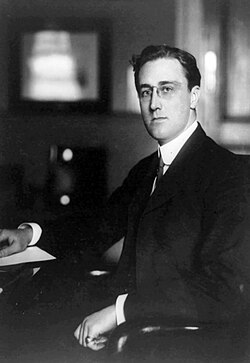
Despite a campaign for vice president in 1920, Roosevelt faced a significant personal setback when he contracted a paralytic illness. However, he staged a remarkable political comeback, eventually winning the election to become the 44th Governor of New York, serving from January 1, 1929, to December 31, 1932.
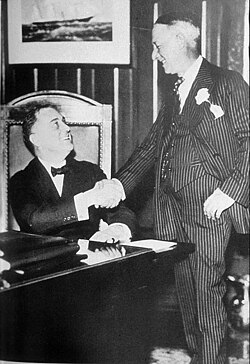
The Presidency and the New Deal
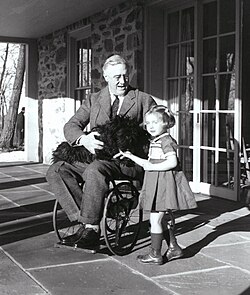
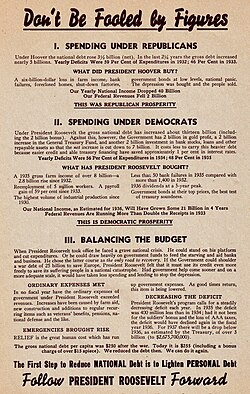
Roosevelt assumed the presidency on March 4, 1933, during the depths of the Great Depression. To stabilize the economy, he implemented a series of programs known as the New Deal. This was divided into two primary phases:
- The First New Deal (1933–1934): Focused on immediate relief and recovery.
- The Second New Deal (1935–1936): Focused on long-term reform, most notably the signing of the Social Security Act into law on August 14, 1935.
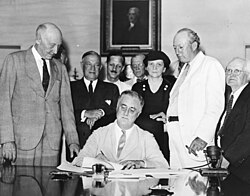
His economic policies were met with varying degrees of success, as reflected in the fluctuating unemployment rates of the era. While the nation struggled, Roosevelt's leadership provided a psychological and structural framework for recovery.
| Year | Lebergott Estimate (%) | Darby Estimate (%) |
|---|---|---|
| 1929 | 3.2 | - |
| 1932 | 23.6 | 22.9 |
| 1933 | 24.9 | 20.6 |
| 1936 | 16.9 | 9.9 |
| 1940 | 14.6 | 9.5 |
Leading Through World War II
As the 1930s closed, Roosevelt's focus shifted toward foreign policy and the rising threat of Axis Powers. Following the attack on Pearl Harbor on December 7, 1941, Roosevelt led the United States into World War II, signing declarations of war against Japan on December 8 and Germany on December 11.
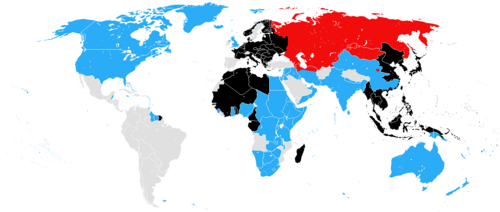
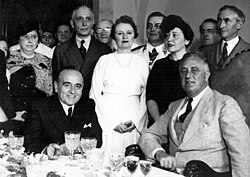
Roosevelt worked closely with allies, including Winston Churchill and Joseph Stalin, attending critical wartime conferences such as the Yalta Conference in February 1945 to plan the post-war world. His leadership extended to the home front, where he managed the transition to a wartime economy.
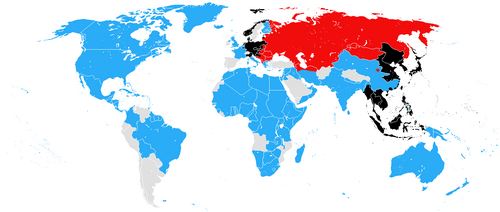
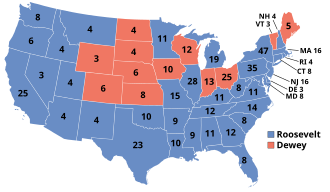
Despite his declining health, Roosevelt won a fourth term in the 1944 election. He remained involved in the strategic planning of the war, including the development of nuclear weapons, until his death.
Death and Legacy
President Roosevelt passed away on April 12, 1945, at the age of 63 in Warm Springs, Georgia. His funeral cortège in Washington, D.C., was attended by approximately 300,000 spectators. He is buried at the Springwood Estate.

Roosevelt's legacy is preserved through the Franklin Delano Roosevelt Memorial in Washington, D.C., and his enduring impact on the American social contract through the establishment of the modern welfare state.
Frequently Asked Questions

How many terms did Franklin D. Roosevelt serve?
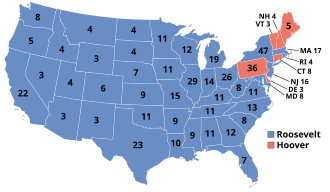
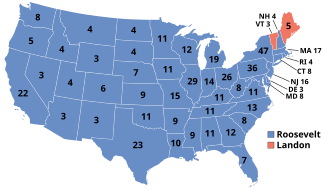
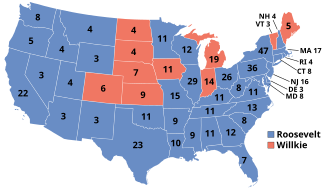
Franklin D. Roosevelt is the only US president to have served more than two terms, winning four consecutive elections.
What was the purpose of the New Deal?
The New Deal was a series of programs and reforms launched between 1933 and 1938 to provide relief, recovery, and reform in response to the Great Depression.
When did the US enter World War II under FDR?
The United States entered World War II following the attack on Pearl Harbor, with Roosevelt signing the declaration of war against Japan on December 8, 1941.
What was the Social Security Act?
Signed into law on August 14, 1935, as part of the Second New Deal, the Social Security Act established a system of old-age benefits and unemployment insurance.
Where did Franklin D. Roosevelt die?
President Roosevelt died on April 12, 1945, in Warm Springs, Georgia.