Mozambique under Portuguese Rule (1505–1975)
The history of Mozambique is deeply intertwined with the Portuguese Empire, beginning with the arrival of Vasco da Gama in 1498. Over nearly five centuries, the region evolved from a series of coastal trading posts into a vast overseas province, characterized by a complex blend of economic exploitation, urban development, and eventually, a fierce struggle for national sovereignty.
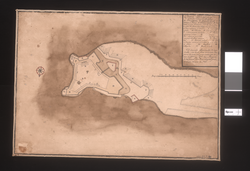
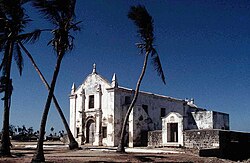
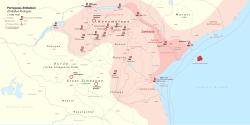
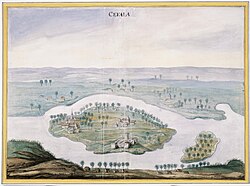
Initially, Portuguese activity focused on the coast and the Zambezi basin. By the early 16th century, the Portuguese had secured control of the port city of Sofala and the strategic Island of Mozambique. These outposts allowed Portugal to bypass traditional land-and-sea spice trade routes, establishing direct maritime links with the Far East.
Key Facts
- Duration: Portuguese presence lasted from 1505 until independence on June 25, 1975.
- Capitals: Cidade de Pedra (1507–1898) and Lourenço Marques (1898–1975).
- Key Conflict: The Portuguese Colonial War (1961–1974) saw guerrilla warfare led by FRELIMO.
- Economy: Based on cash crops like cotton, cashews, tea, and rice, and major infrastructure like the Cahora Bassa Dam.
- Demographics: By 1970, the population reached approximately 8.1 million, with a small but influential European settler minority.
Administrative Evolution and Governance
The legal status of Mozambique shifted several times to reflect Portugal's changing political landscape. It transitioned from a territory of the empire to an overseas province in 1951, and finally to a non-sovereign state in 1972, granting it wider administrative autonomy.
For much of the 20th century, the territory was governed under the Estado Novo (New State), an authoritarian regime led by António de Oliveira Salazar. Governance was highly centralized; while a few Africans held positions, the bureaucracy was dominated by Portuguese nationals. The territory was divided into districts, municipalities, and circumscriptions, with the post administrator serving as the primary point of contact for most indigenous Africans.
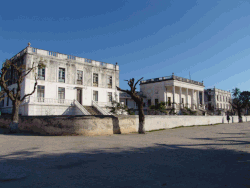
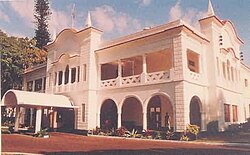
Geography and Territorial Changes
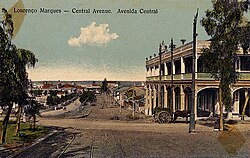
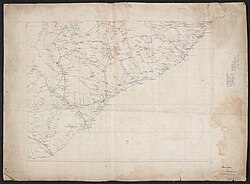
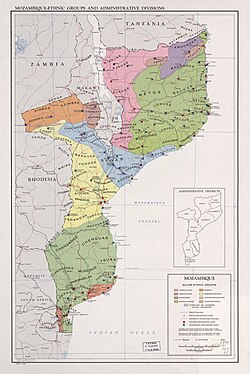
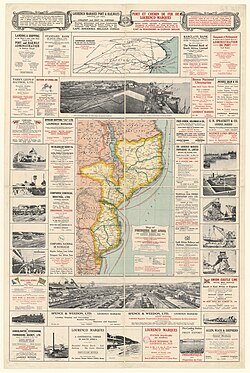
The borders of Portuguese Mozambique were shaped by both diplomacy and corporate concessions. In the late 19th century, the Portuguese government granted vast tracts of land to chartered companies, such as the Mozambique Company (covering Manica and Sofala) and the Niassa Company. These companies operated with significant autonomy until the Mozambique Company's charter expired in 1942, returning the land to direct government control.
Additionally, the 1919 Treaty of Versailles transferred the Kionga Triangle from German East Africa to Mozambique, expanding the territory south of the Rovuma River.
Economy and Infrastructure
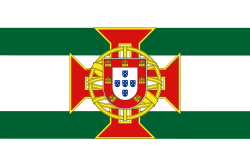
The colonial economy was largely coercive, forcing indigenous peasants to produce cash crops for the Portuguese market. However, the 1950s and 1960s saw a period of rapid industrial and agricultural expansion, fueled by Portuguese development plans and investment from Britain and South Africa.
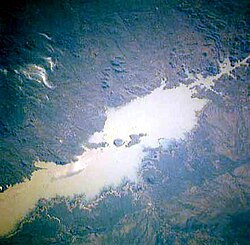
A crowning achievement of this era was the Cahora Bassa Dam, one of Africa's largest hydroelectric projects, which began construction in 1969. By 1973, Mozambique's manufacturing value-added was the sixth highest in Sub-Saharan Africa.
Urbanization and Society
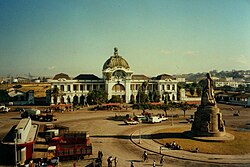
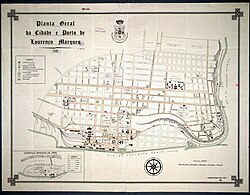
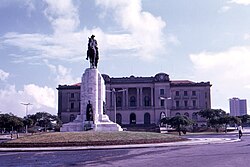
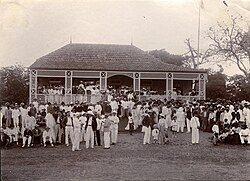
Cities like Lourenço Marques (now Maputo) and Beira became cosmopolitan hubs. While the indigenato regime (a legal system of racial classification) was abolished in 1960, making all Africans Portuguese citizens, sociological racial distinctions remained. Despite this, segregation in Mozambique was less rigid than in neighboring South Africa during the same period.
Culture, Education, and Sports
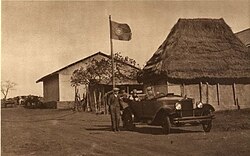
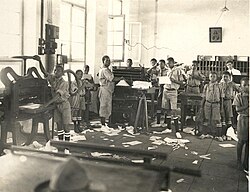
Education expanded in the 1940s, though quality remained poor for African students; by 1970, the literacy rate was only 7.7%. In contrast, sports flourished. Football, basketball, and rink hockey became immensely popular, with clubs like Sporting Clube de Lourenço Marques competing in the Portuguese Cup (Taça de Portugal).
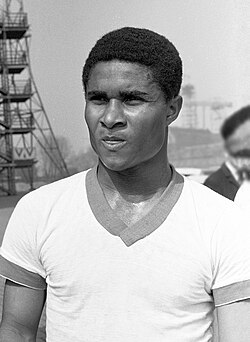
One of the most notable figures from this era was Eusébio da Silva Ferreira, who began his career in Lourenço Marques before becoming a global football icon.
The Path to Independence
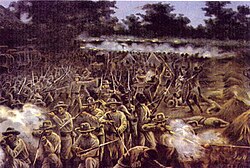
Resistance to colonial rule intensified in September 1964 when the Front for the Liberation of Mozambique (FRELIMO) launched a guerrilla campaign. This conflict was part of the broader Portuguese Colonial War. While the Portuguese military maintained a tactical advantage on the ground, the political climate in Lisbon shifted.
The Carnation Revolution of April 1974—a leftist military coup in Portugal—ended the Estado Novo regime. The new military junta entered negotiations with FRELIMO in Lusaka, leading to Mozambique's official independence on June 25, 1975. This transition saw a mass exodus of the ethnic Portuguese population, known as retornados.
| Category | Details |
|---|---|
| Colonial Period | 1505–1975 |
| Primary Language | Portuguese |
| Major Cities | Lourenço Marques (Maputo), Beira, Nampula |
| Key Exports | Cotton, Cashews, Tea, Rice |
| Independence Date | June 25, 1975 |
| Successor State | People's Republic of Mozambique |
Frequently Asked Questions
When did Mozambique gain independence from Portugal?
Mozambique officially became independent on June 25, 1975, following the Carnation Revolution in Portugal and negotiations between the Portuguese government and FRELIMO.
What was the role of FRELIMO in Mozambique's history?
The Front for the Liberation of Mozambique (FRELIMO) was the nationalist movement that initiated a guerrilla war against Portuguese colonial rule in 1964, eventually leading the country to independence.
What was the 'Estado Novo' and how did it affect Mozambique?
The Estado Novo was an authoritarian regime in Portugal (1933–1974) that exerted direct, centralized control over its overseas provinces, including Mozambique, focusing on economic exploitation and political repression.
What was the significance of the Cahora Bassa Dam?
Started in 1969, the Cahora Bassa Dam was one of the largest infrastructure projects in Africa at the time, symbolizing the late-colonial push for industrialization and energy production.
Who were the 'retornados'?
The retornados were ethnic Portuguese settlers who returned to mainland Portugal following the independence of the overseas provinces in the mid-1970s, often fleeing due to political instability or expulsion.