Mollusca: The Diverse World of Snails, Bivalves, and Cephalopods
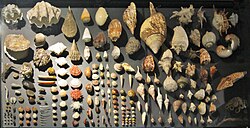
The phylum Mollusca represents one of the most successful and diverse groups of animals on Earth. These protostomic invertebrate animals, commonly known as molluscs, have adapted to nearly every environment, from the deepest ocean trenches to the highest mountain peaks. With approximately 86,600 recognized extant species, they constitute the second-largest animal phylum, surpassed only by the arthropods.
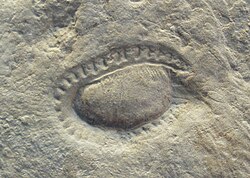
From the intelligent octopus to the humble garden snail, molluscs exhibit a staggering array of forms. Their evolutionary history stretches back to the Lower Cambrian period, roughly 535 million years ago, with some "mollusc-like" features appearing even earlier in the Ediacaran period.
Key Facts
- Species Count: Approximately 86,600 living species, with estimates suggesting up to 200,000 may exist.
- Temporal Range: Present from the Lower Cambrian (535 Ma) to the present day.
- Dominant Group: Gastropods (snails and slugs) make up about 80% of all known mollusc species.
- Global Reach: Found in marine, freshwater, and terrestrial habitats.
- Key Feature: Most possess a radula, a specialized rasping tongue used for feeding.
Anatomy and Biological Characteristics
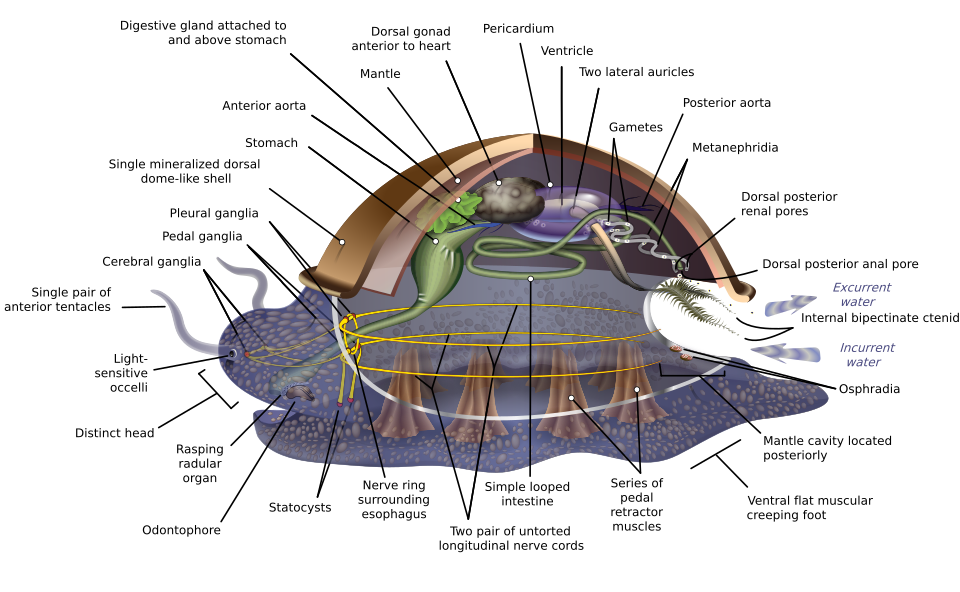
While molluscs vary wildly in appearance, they share a foundational body plan. A central feature is the mantle, a fold of tissue that covers the visceral mass and often secretes the calcium carbonate shell that protects the animal.
The Muscular Foot and Movement
Most molluscs possess a broad, muscular foot used for locomotion. In gastropods, this foot allows them to glide over surfaces; in bivalves, it is used for burrowing; and in cephalopods, it has been highly modified into a set of tentacles and arms.
Feeding and the Radula
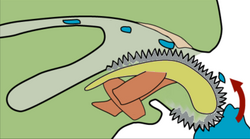
One of the most distinctive molluscan tools is the radula. This is a chitinous, rasping "tongue" used to scrape food from surfaces. However, this is not universal; for example, bivalves lack a radula entirely.
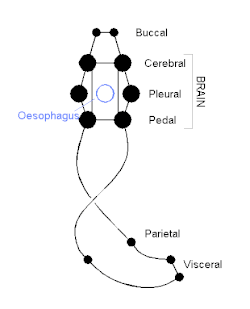
Nervous and Circulatory Systems
The complexity of the molluscan nervous system varies by class. While most have a relatively simple arrangement, cephalopods have evolved highly complex brains capable of advanced learning and problem-solving.
Classification and Diversity
Molluscs are divided into several classes based on their anatomy and shell structure. The diversity ranges from worm-like creatures to complex predators.
| Class | Major Organisms | Approx. Living Species | Distribution |
|---|---|---|---|
| Gastropoda | Snails, slugs, limpets, nudibranchs | 70,000 | Marine, freshwater, land |
| Bivalvia | Clams, oysters, scallops, mussels | 20,000 | Marine, freshwater |
| Polyplacophora | Chitons | 1,000 | Rocky tidal zones, seabed |
| Cephalopoda | Squid, octopuses, nautiluses | 900 | Marine |
| Scaphopoda | Tusk shells | 500 | Marine (deep sea) |
| Aplacophora | Worm-like molluscs | 320 | Deep seabed |
| Monoplacophora | Cap-like shell molluscs | 31 | Deep seabed |
Gastropods and Bivalves
Gastropods are the most numerous, including common land snails and sea slugs. Bivalves are characterized by their two-part hinged shells and are primarily filter feeders.
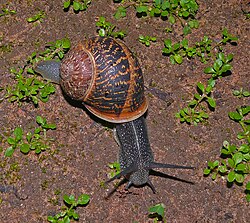
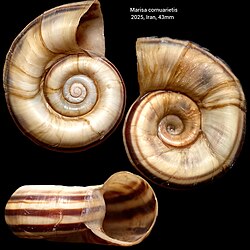
![About 80% of all known mollusc species are gastropods (snails and slugs), including this cowry (a sea snail).[21]](/images/ec/68/ec684da9a1b96981b68c48db933813d9acc9971a3aa0f88cca082fdd9e3147a9.jpg)
Cephalopods and Ancient Lineages
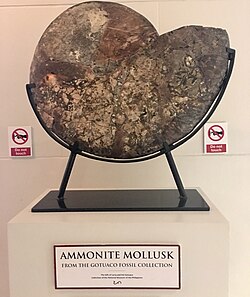
Cephalopods are the most neurologically advanced molluscs. This group includes the nautilus and the extinct ammonites, which are frequently found as fossils.
![The blue-ringed octopus's rings are a warning signal; this octopus is alarmed, and its bite can kill.[113]](/images/ef/37/ef37e0a9f4be763afc0c87d6c6c3ffecfe14f04fb8eb9960e7b7a9281907e280.jpg)
Human Interaction and Ecology
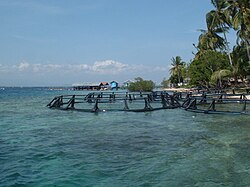
Humans have a complex relationship with molluscs. They are vital economic resources, providing food and luxury items like pearls. Historically, certain molluscs were used to create Tyrian purple, a dye reserved for royalty.

Risks and Health Impacts
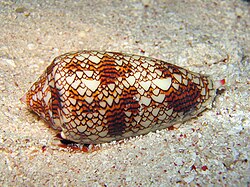
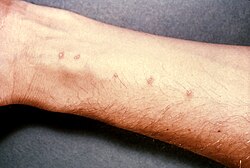
Not all molluscs are harmless. Some, like the cone snail, possess potent toxins that are of interest to neurology researchers but dangerous to humans. Additionally, while the fluke worm Schistosoma is not a mollusc, it relies on freshwater snails as intermediate hosts to spread schistosomiasis, a devastating parasitic disease affecting millions in tropical regions.
Frequently Asked Questions
What is a radula?
A radula is a specialized feeding organ found in most molluscs. It acts as a rasping tongue with chitinous teeth used to scrape or cut food.
Which mollusc class is the largest?
The Gastropoda class is the largest, comprising approximately 80% of all known mollusc species, including all snails and slugs.
Are all molluscs shelled?
No. While many have shells, some have reduced or internal shells (like slugs), and others, such as the Aplacophora, lack a shell entirely.
How do molluscs relate to human health?
Some molluscs can be dangerous via venomous bites (e.g., cone snails). More significantly, certain freshwater snails serve as essential intermediate hosts for the parasite that causes schistosomiasis.
What is the difference between a bivalve and a gastropod?
Bivalves have a shell consisting of two hinged parts and typically lack a radula, whereas gastropods usually have a single coiled shell (or none) and possess a radula for feeding.