Terrestrial Animals: Evolution, Adaptations, and Ecological Diversity
Terrestrial animals are species that live predominantly or entirely on land. This broad category encompasses a vast array of life, from the smallest ants and spiders to large mammals like cats. While they are often contrasted with aquatic animals (such as fish and whales) and semiaquatic animals (such as seals and crocodiles), the boundary between these groups is often a continuum rather than a strict divide.
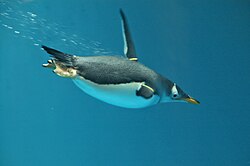
For example, penguins spend a significant portion of their lives underwater but are still classified as terrestrial. Similarly, many insects—which make up over half of all known animal species—are terrestrial as adults (imagos) but spend their egg and larval stages in water.
Key Facts
- Polyphyletic Group: Terrestrial animals do not share a single common ancestor; instead, different lineages evolved land-dwelling traits independently.
- Respiratory Shift: Land animals exchange gases with the atmosphere via lungs or cutaneous respiration (breathing through the skin).
- Structural Support: To counter the lack of buoyancy found in water, terrestrial animals evolved robust skeletons and limbs for locomotion.
- Water Conservation: Adaptations like impermeable cuticles and the excretion of urea or uric acid help prevent dehydration.
- Diverse Origins: Most terrestrial lineages emerged during the Paleozoic and Mesozoic eras.
Biological Adaptations for Land Life
Transitioning from water to land required fundamental physiological changes to survive in a dry, gravity-heavy environment. Unlike aquatic animals that rely on the buoyancy of water, terrestrial animals developed strong skeletons and powerful appendages, such as legs, to support their body weight. Some species utilize body surface projections like setae or scales for movement, while others evolved wings to generate lift for flight.
Respiration also shifted. Terrestrial animals typically use specialized lungs or their skin to absorb oxygen from the air. To prevent lethal fluid loss, many evolved impermeable cuticles. Furthermore, their excretory systems adapted to filter nitrogenous waste as urea or uric acid, a more water-efficient process than the ammonia-based excretion used by most aquatic species.
Ecological Subgroups and Classifications
While "terrestrial" generally refers to land-dwelling animals, the term is often used more narrowly to describe animals that live specifically on the ground, as opposed to arboreal animals that live in trees. Within these groups, scientists use specific terms to describe specialized habitats:
- Saxicolous: Organisms that dwell on or among rocks.
- Arenicolous: Organisms that live in sand.
- Troglofauna: Organisms that live predominantly in caves.
Taxonomic Distribution
Terrestrial life is spread across eleven phyla (excluding internal parasites). These are generally categorized by their level of dependence on moisture:
| Dependence Level | Representative Phyla | Examples |
|---|---|---|
| Fully Terrestrial | Arthropods, Molluscs, Chordates | Insects, land snails, mammals |
| Moist Habitat Dependent | Annelids, Onychophorans, Platyhelminthes, Nemerteans | Earthworms, velvet worms, land planarians |
| Semi-Terrestrial (Microscopic) | Gastrotrichs, Rotifers, Nematodes, Tardigrades | Water bears, roundworms |
The History of Terrestrialization
Arthropods and Early Pioneers
Fossil evidence suggests that arthropods began venturing onto land as early as 530 million years ago during the Early Cambrian. These early forays were likely for mating or laying eggs away from aquatic predators. By the late Ordovician, myriapods, hexapods, and arachnids had likely become fully terrestrial. Later, certain crustaceans, such as woodlice and coconut crabs, independently adapted to land.
The Rise of Vertebrates
Vertebrate terrestrialization occurred later. Around 375 million years ago, bony fish like Tiktaalik roseae possessed muscular limbs and lungs that allowed them to navigate shallow coastal waters. By the Carboniferous period, tetrapods had lost their gills and become fully terrestrial, eventually filling most land-based ecological niches.
Gastropod Diversification
Gastropod mollusks (land snails and slugs) are among the most successful land colonizers, with terrestrial taxa evolving across more than nine different lineages. While most evolved during the Paleozoic or Mesozoic, some Japanese endemic lineages of Pomatiopsidae evolved terrestrial traits as recently as the Late Miocene of the Cenozoic era.
Semi-Terrestrial and Geoplankton Life
Many animals exist in a transitional state. Semi-terrestrial animals, such as amphibians, rely on moist environments and often reproduce in water. Similarly, land annelids and velvet worms are highly prone to desiccation (drying out) due to their respiratory systems.
At the microscopic level, geoplankton thrive in transient films of water. This group includes rotifers, gastrotrichs, and the famous tardigrades (water bears). These organisms can enter a state of suspended animation or dormancy during dry periods, allowing them to survive for decades in hostile conditions until water returns.
Frequently Asked Questions
What is the difference between terrestrial and semiaquatic animals?
Terrestrial animals live predominantly or entirely on land, whereas semiaquatic animals inhabit coastal, riparian, or wetland areas and rely on both aquatic and terrestrial habitats to survive.
Why are terrestrial animals considered a polyphyletic group?
They are polyphyletic because they do not descend from a single common land-dwelling ancestor. Instead, various unrelated groups (such as arthropods, mollusks, and chordates) evolved the ability to live on land independently.
How do land animals prevent dehydration?
They have evolved homeostatic features such as impermeable cuticles to restrict fluid loss and excretory systems that produce urea or uric acid instead of ammonia, which requires significantly less water to expel.
What are tardigrades and why are they unique?
Tardigrades, or water bears, are microscopic animals that live in transient terrestrial water. They are unique for their ability to enter suspended animation during desiccation, allowing them to survive extreme conditions for decades.
What is the difference between terrestrial and arboreal animals?
In a narrow sense, terrestrial animals are those that live specifically on the ground or in the soil, while arboreal animals are a specialized subgroup of terrestrial fauna that live primarily in trees.