Herbivores: Biology, Evolution, and Feeding Strategies
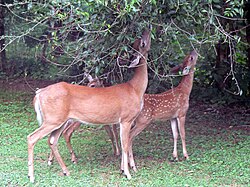
A herbivore is an animal anatomically or physiologically evolved to consume plants as the primary component of its diet. While most herbivores focus on vascular tissues—such as foliage, fruits, and seeds—the term also encompasses animals that eat non-vascular autotrophs, including algae, mosses, and lichens. It is important to distinguish herbivores from detritivores, which feed on decomposed plant matter, and fungivores, which consume macrofungi.
Because plant matter is structurally complex, herbivores have developed specialized biological tools to extract nutrients. Their mouthparts, such as jaws, are adapted to mechanically break down tough plant fibers. Internally, their digestive systems produce specific enzymes, including amylase and cellulase, to break down polysaccharides.
Key Facts
- Specialized Digestion: Many herbivores rely on mutualistic gut flora (bacteria and protozoans) to degrade cellulose.
- Dental Adaptations: Grazers, like cattle and horses, possess wide, flat-crowned teeth for grinding lignin-rich materials.
- Evolutionary Gap: There was a 50 to 100 million year gap between the evolution of plant organs and the animals that evolved to eat them.
- Diverse Diets: Herbivory ranges from eating wood (xylophagy) to consuming pollen (palynivory).
Biological Adaptations for Plant Consumption
Plants are significantly harder to digest than the protein- and fat-rich tissues consumed by carnivores. This is primarily due to cellulose, a heavily cross-linking polymer that provides structural support to plants. To overcome this, many herbivores have evolved rumination or cecotropic behaviors to maximize nutrient extraction.
Beyond internal chemistry, physical adaptations vary by diet. For example, animals that feed on grass or tree bark require teeth capable of handling high levels of lignin, the organic polymer that makes plants woody and rigid.
The Evolution of Herbivory
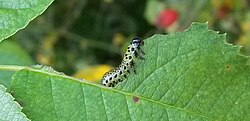
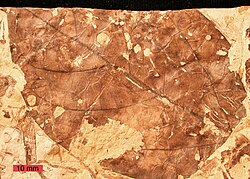
The history of herbivory is closely tied to the evolution of plants. Over a span of 75 million years, plants developed complex organs such as roots and seeds. However, evidence of organisms feeding on these plants does not appear until the middle-to-late Mississippian period, approximately 330.3 million years ago.
Scientists believe a gap of 50 to 100 million years existed between the emergence of plant organs and the evolution of herbivores. This delay may have been caused by low oxygen levels during that era, which likely suppressed evolutionary progress. While the early herbivores were likely arthropods, their exact identities remain uncertain. By the early Permian, evidence of hole feeding and skeletonization appeared, followed by surface fluid feeding by the end of that period.
Feeding Strategies and Classifications
Herbivores are categorized based on the specific plant parts they consume. This specialization allows different species to coexist by utilizing different food sources within the same ecosystem.
| Feeding Strategy | Primary Diet | Examples |
|---|---|---|
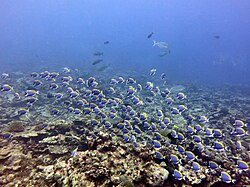
| Algivores | Algae | Krill, sea urchins, parrotfish, flamingos |
| Frugivores | Fruit | Orangutans, ruffed lemurs |
| Folivores | Leaves | Koalas, gorillas, leaf beetles |
| Nectarivores | Nectar | Hummingbirds, honey possums |
| Granivores | Seeds | Bean weevils, Hawaiian honeycreepers |
| Graminivores | Grass | Horses |
| Palynivores | Pollen | Bees |
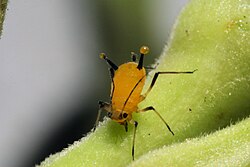
| Mucivores | Plant fluids (sap) | Aphids |
| Xylophages | Wood | Termites, longicorn beetles |
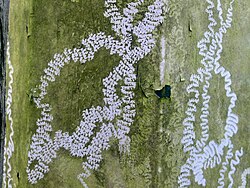
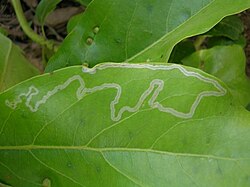
Different feeding methods leave distinct marks on the plants. For instance, leaf miners feed between epidermal layers, creating visible trails, while aphids act as fluid feeders, extracting sap directly from the plant's vascular system.
Frequently Asked Questions
What is the difference between a herbivore and a detritivore?
A herbivore feeds on living plant tissues, such as leaves, seeds, or algae. A detritivore feeds on decomposed plant matter and organic debris.
How do herbivores digest cellulose?
Since most animals cannot produce the necessary enzymes alone, many herbivores maintain a mutualistic relationship with gut flora—bacteria and protozoans—that break down the complex polymer structure of cellulose.
Why was there a delay in the evolution of herbivores?
There was a gap of 50 to 100 million years between the evolution of plant organs and the animals that ate them, which may have been caused by low oxygen levels that suppressed evolution.
What are the different types of herbivore specializations?
Herbivores are specialized by their diet: for example, frugivores eat fruit, folivores eat leaves, granivores eat seeds, and xylophages eat wood.