Folivores: The Specialized Herbivores That Eat Leaves
In the diverse world of zoology, a folivore is a type of herbivore that specializes in eating leaves. While leaves are abundant in most ecosystems, they present significant biological challenges. Mature leaves are often packed with cellulose—a complex carbohydrate that is difficult to break down—and may contain toxic compounds to deter predators. Furthermore, leaves generally provide less energy than fruits or seeds.
To survive on this challenging diet, folivores have evolved specific biological adaptations. Most possess long digestive tracts and slow metabolisms to maximize nutrient extraction. Many also rely on symbiotic bacteria (microorganisms living in a mutually beneficial relationship) to help ferment and release nutrients from the tough plant fibers.
Interestingly, many folivorous animals, particularly primates, show a strong preference for immature leaves. These young leaves are easier to chew (masticate), contain higher levels of protein and energy, and typically have lower concentrations of fiber and poisons compared to mature foliage.
Key Facts
- Dietary Focus: Folivores specialize in consuming leaves, preferring young leaves for higher nutrient density.
- Digestive Adaptations: They typically have slow metabolisms and elongated digestive systems.
- Biological Aid: Symbiotic bacteria are often used to break down hard-to-digest cellulose.
- Flight Constraints: Folivory is rare in flying vertebrates because leaves are heavy and low-energy.
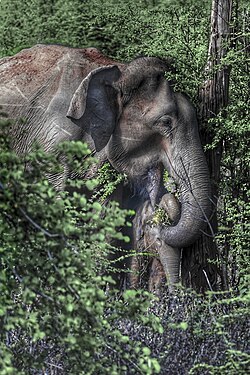
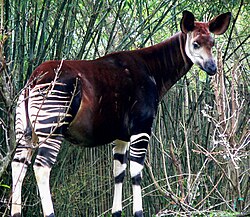
- Diverse Examples: Folivores range from insects and reptiles to large mammals like elephants and okapis.
Folivory and the Challenge of Flight
Folivory is extremely rare among flying vertebrates. This is largely because leaves are heavy and slow to digest, offering very little energy relative to the high caloric cost of flight. However, there are a few notable exceptions.
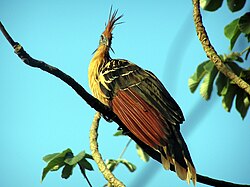
The hoatzin is a flighted bird that eats leaves, but it is a weak flier. This is because it possesses a highly developed foregut for digestion, which reduces the space available for the attachment of flight muscles.
Some bats are partially folivorous. Rather than digesting the entire leaf, they chew the foliage to swallow the nutrient-rich sap and spit out the remaining fibrous material. In contrast, folivory is quite common among flying insects.
Arboreal Folivores and Primates
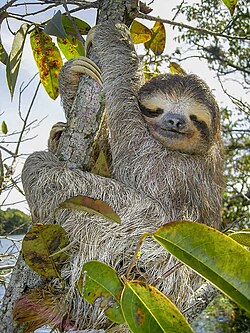
Mammals that live in trees (arboreal folivores), such as koalas, sloths, and certain lemurs and monkeys, tend to be larger and move through the canopy with caution. Some researchers suggest that early hominoids may have also been folivorous, citing similarities in head, tooth structure, and body shape to other arboreal leaf-eaters.
Among primates, ecological theory suggests that folivores should live in large groups for better protection against predators, as they rarely compete for their abundant food source. However, many actually live in small groups. This paradox may be explained by social factors, such as a higher rate of infanticide in larger groups.
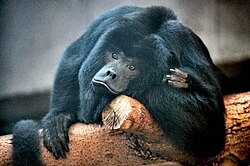
In the New World, folivorous primates are rare, with howler monkeys being a primary exception. While it was once hypothesized that this was because fruiting and leafing occur at the same time in New World plants, a 2001 study found no evidence to support this claim at most sites.
Examples of Folivorous Animals
Folivory is found across a wide array of animal classes, from tiny insects to the largest land mammals.
| Animal Class | Examples |
|---|---|
| Mammals | Elephants, okapis, sloths, koalas, giant pandas, possums, New World howler monkeys, and Old World colobines |
| Birds | Hoatzin (Amazon), Kākāpō (New Zealand) |
| Reptiles | Iguanas |
| Insects | Caterpillars, sawflies, beetles, leaf miners, and Orthoptera |
| Others | Various land gastropods (snails and slugs) |
Frequently Asked Questions
Why do folivores prefer young leaves over mature ones?
Immature leaves are preferred because they are easier to chew, contain more protein and energy, and have lower levels of fiber and toxic compounds than mature leaves.
How do folivores digest tough cellulose?
Folivores typically have long digestive tracts and slow metabolisms. Many also utilize symbiotic bacteria to help break down the cellulose and release nutrients.
Why is it rare for flying animals to be folivores?
Leaves are heavy, provide low energy, and are slow to digest, which conflicts with the high energy requirements and weight restrictions of flight.
What is the "folivore paradox" in primates?
The paradox is that while ecological theory predicts folivorous primates should live in large groups for defense (since food is plentiful), they are frequently observed living in small groups.
Which New World primate is a notable folivore?
The howler monkey is the primary exception to the general scarcity of folivorous primates in the New World.