Omnivores: The Biology and Evolution of Flexible Eaters
In the natural world, survival often depends on the ability to adapt to changing environments. While some animals are specialized to eat only plants or only meat, omnivores possess the biological flexibility to consume both. By extracting energy and nutrients from a diverse array of sources, omnivores can thrive in varied habitats and maintain food security during times of scarcity.
Biologically, omnivores digest a wide spectrum of macronutrients, including carbohydrates, proteins, fats, and fiber. Beyond basic plant and animal tissues, many omnivorous species can also incorporate fungi, algae, and bacteria into their diets to supplement their nutritional needs.
![Examples of omnivores. From left to right: humans,[1] dogs,[2] pigs, channel catfish, American crow, gravel ant](/images/89/d4/89d4eceb5e061f1b8ce6a45c3ab9f63d97e11672b2fb2e2cb737a7d75eab0676.png)
Key Facts
- Definition: An omnivore is an animal capable of eating both plant and animal matter.
- Evolutionary Paths: Omnivory can evolve from either carnivorous or herbivorous ancestors.
- Survival Advantage: A flexible diet provides greater food security in inconsistent environments.
- Physiological Markers: Tooth morphology in mammals often serves as a reliable indicator of an omnivorous diet.
- Diverse Examples: Omnivores range from mammals like bears and humans to birds like crows and insects like ants.
Defining Omnivory: Behavior vs. Physiology
The term "omnivore" comes from the Latin omnis (all) and vora (to devour). While it was originally used as a simple behavioral description, modern biology—aided by advancements in gastroenterology—distinguishes between two specific contexts:
Behavioral Omnivory
This refers to whether a species or individual is actively consuming both plant and animal materials. In sociology and nutrition, this term is often used to describe human diet patterns that include diverse food categories, as opposed to restricted diets like veganism.
Physiological Omnivory
This academic definition focuses on the biological capability of a species to derive energy and nutrients from both plant and animal matter, regardless of what they are eating at a specific moment.
It is important to note that the term "omnivory" does not cover all consumption habits. For example, it does not account for zoopharmacognosy (self-medication by animals) or the consumption of minerals, such as salt licks.
Evolution and Classification Challenges
Omnivores do not share a single ancestral line; instead, they have evolved sophisticated consumption capabilities independently. For example, dogs evolved from primarily carnivorous ancestors (Order Carnivora), whereas pigs evolved from primarily herbivorous ancestors (Order Artiodactyla).
Classification can sometimes be contradictory. Some animals traditionally labeled as carnivores may exhibit omnivorous traits. A notable example is the American alligator (Alligator mississippiensis), which research suggests may be physiologically omnivorous due to its deliberate consumption of fruits.
| Classification | Primary Food Source | Example Species |
|---|---|---|
| Herbivore | Plants/Vegetation | Cows, Sheep |
| Carnivore | Animal Tissue | Polar Bears, Lions |
| Omnivore | Plants and Animals | Humans, Pigs, Crows |
Omnivorous Species Across the Animal Kingdom
Omnivorous Mammals
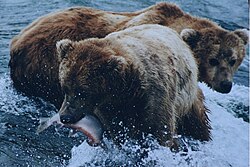
Many mammals are naturally omnivorous, including hominids, badgers, foxes, raccoons, opossums, and rodents such as mice and rats. Bears provide a fascinating look at dietary flexibility; while most bear species are omnivores, their actual intake can shift from hypocarnivore (mostly plants) to hypercarnivore (mostly meat) based on seasonal availability.
Canines, such as dogs and coyotes, are evolutionarily geared toward meat but still consume plant matter. The maned wolf is a distinct example, with a natural diet consisting of 50% plant matter.
Birds and Other Species
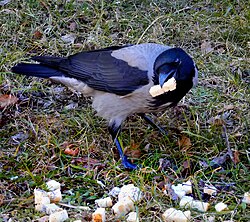
Omnivory is common among birds. The hooded crow is a classic example of an omnivorous bird, scavenging a wide variety of food sources.
Even animals that seem primarily herbivorous may exhibit omnivorous behaviors for survival. Some birds feed insects to their chicks to support growth, while nectar-feeding sunbirds consume ants to obtain essential nutrients like cobalt and vitamin B12, which are missing from nectar. Similarly, some monkey species prefer fruit that contains maggots over sound fruit.
Frequently Asked Questions
What is the difference between a behavioral and physiological omnivore?
A behavioral omnivore is an animal that is currently eating both plants and animals. A physiological omnivore is a species that has the biological machinery and capability to digest both, regardless of its current diet.
Can a carnivore become an omnivore?
Some species classified as carnivores may eat plant material deliberately. For instance, American alligators have been observed eating fruit, suggesting they may be physiologically omnivorous.
Why is being an omnivore an evolutionary advantage?
Omnivores have greater food security. Because they can eat a wider variety of foods, they are more likely to survive in unstable environments or during periods when one specific food source disappears.
Are all bears omnivores?
Most bear species are omnivores, but there are exceptions. Polar bears are classified as carnivores both taxonomically and behaviorally because they subsist almost entirely on animal matter.
Do all omnivores have the same physical traits?
No. Because omnivory evolved independently across different groups, traits vary. However, in mammals, tooth morphology is often a reliable indicator of whether a species is adapted for an omnivorous diet.