Carl Linnaeus: The Architect of Biological Classification
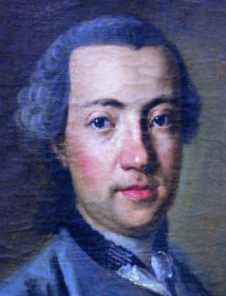
In the history of science, few individuals have provided a framework as enduring and essential as Carl Linnaeus. A Swedish biologist and physician, Linnaeus revolutionized how we perceive the natural world by formalizing binomial nomenclature—the two-part naming system used today to identify every living organism. Often hailed as the "father of modern taxonomy," his work transformed biology from a chaotic collection of observations into a structured, universal language.
The Foundations of a Scientific Legacy
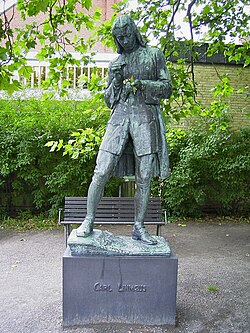
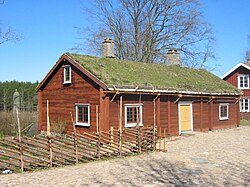
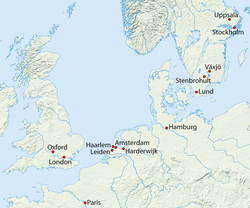
Born Carl Nilsson Linnæus in Råshult, Småland, the son of a curate, Linnaeus's journey into the natural sciences began in the heart of southern Sweden. He pursued higher education at Lund University and Uppsala University, eventually beginning his career as a botany lecturer at Uppsala in 1730.
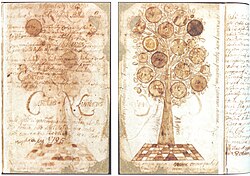
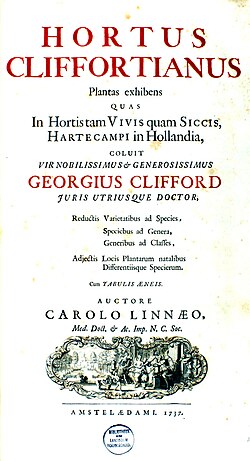
His early academic years were marked by a deep curiosity for the classification of life. After studying in the Netherlands between 1735 and 1738, he returned to Sweden to serve as a professor of medicine and botany at Uppsala. This period of international study was pivotal, as it allowed him to publish the first edition of his seminal work, Systema Naturae, in the Netherlands.
Revolutionizing the Natural World
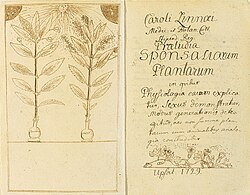
Linnaeus's impact is most clearly seen in his groundbreaking publications. His work provided the tools necessary for scientists to communicate across borders without confusion.
Systema Naturae and the Hierarchy of Life
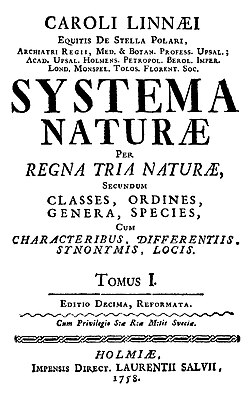
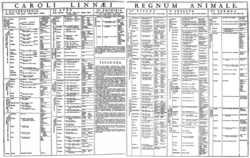
The first edition of Systema Naturae, printed in 1735, was a modest twelve-page document. However, it grew exponentially through successive editions. By its 10th edition in 1758, the work had expanded to classify 4,400 animal species and 7,700 plant species. To manage this massive influx of data from scientists worldwide, Linnaeus even pioneered the use of the index card to track his classifications.
Species Plantarum: The Botanical Standard
In 1753, Linnaeus published Species Plantarum, a work that remains the international starting point for modern botanical nomenclature. This massive two-volume publication described over 7,300 species, setting a new standard for how plants are identified and categorized.
The Linnaean System in Practice
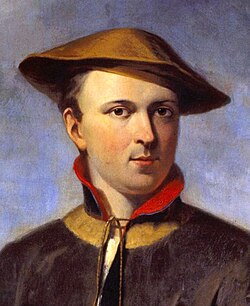
Linnaeus did not merely theorize; he actively explored. In the 1740s, he undertook several expeditions through Sweden—including trips to Öland, Gotland, Västergötland, and Scania—to find and classify local flora and fauna. His methodology involved observing the reproductive organs of plants to determine their relationships, a system known as the Linnaean system.
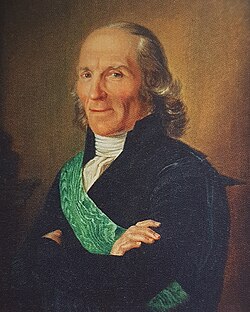
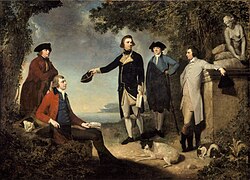
His influence extended through his students, often referred to as his "apostles," who traveled the globe to collect specimens. These scientists, such as Peter Forsskål and Daniel Solander, carried his methods to distant lands, from the Americas to Australia.
Key Facts
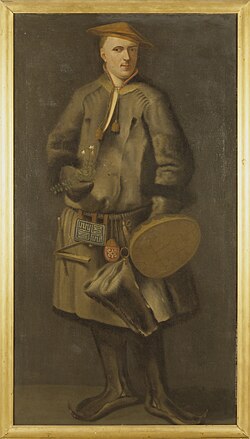
- Full Name: Carl Nilsson Linnæus (ennobled as Carl von Linné in 1761).
- Primary Contribution: Formalized binomial nomenclature (the two-part naming system for organisms).
- Major Works: Systema Naturae and Species Plantarum.
- Academic Roles: Professor of Medicine and Botany at Uppsala University; Rector of Uppsala University.
- Legacy: Known as the "father of modern taxonomy."
Summary of Major Contributions
| Work / Concept | Year (approx.) | Primary Significance |
|---|---|---|
| Systema Naturae | 1735 | Established a systematic classification for animals, plants, and minerals. |
| Species Plantarum | 1753 | The foundation of modern botanical nomenclature. |
| Binomial Nomenclature | Ongoing | The standard two-part naming system (Genus + species). |
| Linnaean Taxonomy | Ongoing | A hierarchical method of classifying living organisms. |
Final Years and Commemoration
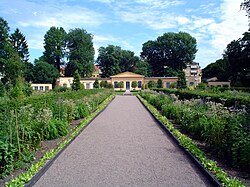
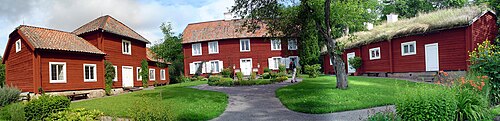
As his health declined due to illnesses like "Uppsala fever" and subsequent strokes, Linnaeus spent more time at his summer estate, Hammarby. He established a garden there to cultivate species that could not survive in the Uppsala Botanical Garden and began building a museum to house his extensive collections.
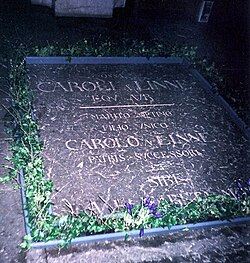
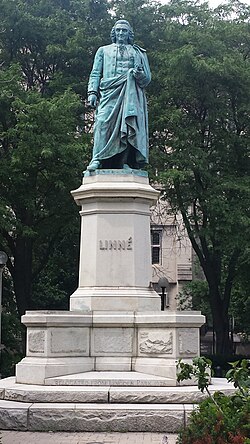
Linnaeus passed away on 10 January 1778. Although he wished to be buried at Hammarby, he was laid to rest in Uppsala Cathedral. Today, his legacy is preserved through his vast collections, his published works, and the continued use of the naming systems he perfected.
Frequently Asked Questions
![Detail from the sixth edition of Systema Naturae (1748) describing Ant[h]ropomorpha with a division between Homo and Simia](/images/dc/c5/dcc5740c48217561fb456e445368052e33d884514a164e571d6e22464175e0c5.png)
![Anthropomorpha, from the 1760 dissertation by C. E. Hoppius[176]1. Troglodyta Bontii, 2. Lucifer Aldrovandi, 3. Satyrus Tulpii, 4. Pygmaeus Edwardi](/images/04/da/04da96832962e8fb8caa3b76358ef7107244da0dec5f2cb690a4f73378f564f2.png)
What is binomial nomenclature?
Binomial nomenclature is a formal system of naming species of living things by giving each a name composed of two parts: the genus name and the specific epithet (species). This system was popularized by Linnaeus to ensure scientific consistency worldwide.
Why is Linnaeus called the father of taxonomy?
He is called the father of taxonomy because he created a standardized, hierarchical system for classifying and naming the vast diversity of life on Earth, which remains the basis for biological classification today.
What was the significance of Species Plantarum?
Published in 1753, Species Plantarum is internationally recognized as the starting point for modern botanical nomenclature, providing the first standardized names for thousands of plant species.
Who were the "Linnaean Apostles"?
The "apostles" were a group of his most notable students who traveled to various parts of the world to collect biological specimens and apply Linnaeus's classification methods in the field.
How did Linnaeus manage his massive amount of data?
As his work expanded, Linnaeus required a way to organize the vast number of species he was classifying. He is credited with the early use of the index card to track and manage his scientific classifications.