Megafauna: The Giants of Earth's Past and Present
In the study of zoology, megafauna refers to the largest animals on Earth. Derived from the Greek megas (large) and Neo-Latin fauna (animal life), the term describes creatures that occupy the upper tiers of size within their respective ecosystems. While the definition can vary, a common scientific threshold for megafauna is approximately 45 kilograms (99 lb)—a benchmark centered on the average human. Depending on the ecosystem, this threshold can range from as low as 10 kilograms (22 lb) to as high as 1,000 kilograms (2,200 lb), with the latter typically reserved for megaherbivores.
Large body size is not merely a physical trait; it is linked to specific biological strategies. Megafauna generally exhibit slower reproduction rates. For large herbivores, their sheer size often provides a natural defense, resulting in reduced or negligible adult mortality from predation.
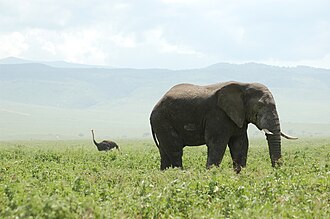
Key Facts
- Size Threshold: Commonly defined as animals weighing over 45 kg, though thresholds vary by ecosystem.
- Ecological Role: They suppress woody vegetation growth, which reduces the frequency of wildfires.
- Extinction Event: During the Late Pleistocene, roughly 80% of mammals over 1,000 kg became extinct.
- Biological Traits: Large size is typically associated with slow reproductive cycles.
- Environmental Impact: Megafauna help regulate the populations of smaller animals and transport nutrients across landscapes.
The Ecological Importance of Giants
Megafauna act as ecosystem engineers, meaning they significantly alter their physical environment. By grazing and browsing, they suppress the growth of woody vegetation. This process is critical because it reduces the amount of fuel available for wildfires, thereby lowering their frequency and intensity.
Beyond vegetation control, these giants play a stabilizing role in the food web, regulating the abundance of smaller animal species. Their movement across vast distances also facilitates the transport of nutrients, a process that maintains soil fertility and supports diverse plant life.
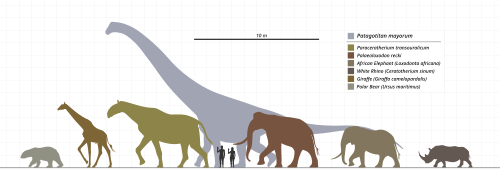
Evolution and Diversity of Large Body Size
The evolution of gigantism has occurred independently across various groups of animals, driven by different environmental pressures and biological advantages.
Terrestrial and Marine Mammals
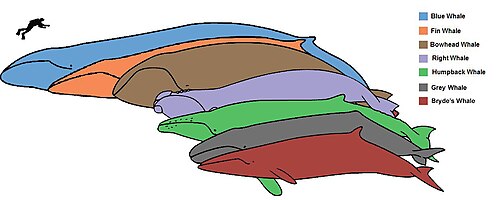
In terrestrial environments, mammals evolved large sizes to deter predators and increase foraging efficiency. In the oceans, the constraints of gravity are reduced, allowing marine mammals to reach even more staggering proportions. This is evident in the massive scale of baleen whales compared to any land animal.
Flightless Birds and Giant Turtles
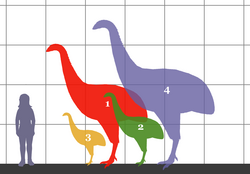
Gigantism also appeared in avian lineages, particularly in flightless birds. The moa of New Zealand are a prime example of how the absence of large mammalian predators can lead to the evolution of massive bird species. Similarly, giant turtles evolved on various islands, often as a result of island gigantism.
The Great Megafaunal Extinctions
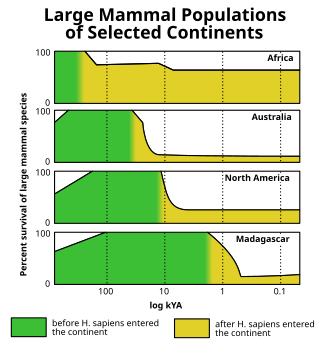
During the Pleistocene epoch, megafauna were diverse and widespread. Most continental ecosystems at the time possessed a species richness equal to or greater than that of modern-day Africa. However, this changed drastically during the Late Pleistocene.
Starting approximately 50,000 years ago, a pronounced, size-biased extinction event occurred. While smaller animals remained largely unaffected, the majority of large mammal species vanished, including 80% of those weighing more than 1,000 kilograms. This event is considered unprecedented in the geological record due to its specific targeting of large-bodied animals.
Causes of the Collapse
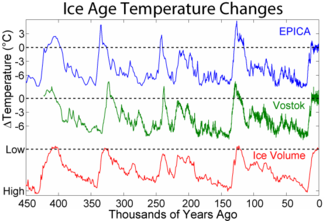
The cause of these extinctions remains a subject of intense scientific debate. Most researchers implicate a combination of two primary factors: human activity (such as hunting and habitat alteration) and climatic change. While climate shifts occurred, some data suggests that cyclical patterns of global climate change over the last 450,000 years do not show unique events that would solely account for the specific pulses of megafaunal extinction.
Summary of Megafauna Characteristics
| Feature | General Megafauna | Megaherbivores (>1,000kg) |
|---|---|---|
| Common Weight Threshold | > 45 kg | > 1,000 kg |
| Reproduction Rate | Slow | Very Slow |
| Predation Risk (Adult) | Variable | Low to Negligible |
| Primary Eco-Effect | Population regulation | Vegetation & Fire suppression |
Frequently Asked Questions
What exactly defines an animal as megafauna?
While definitions vary, zoologists commonly use a threshold of 45 kilograms (99 lb) to define megafauna. However, some contexts use a range from 10 kg to 1,000 kg depending on the specific ecosystem being studied.
Why did so many large animals go extinct during the Late Pleistocene?
The extinction of approximately 80% of mammals over 1,000 kg is attributed to a combination of human influence and climatic changes, though the exact weight of each factor is still debated by scientists.
How do megafauna affect wildfires?
By consuming large amounts of woody vegetation, megafauna reduce the amount of combustible plant material on the landscape, which in turn reduces the frequency and severity of wildfires.
Do megafauna still exist today?
Yes. While many prehistoric giants are extinct, extant megafauna include animals like the African bush elephant and the sperm whale.
What is the relationship between body size and reproduction in megafauna?
Generally, there is an inverse relationship: as body size increases, the rate of reproduction tends to slow down.