Marie Curie: The Pioneer of Radioactivity and Two-Time Nobel Laureate
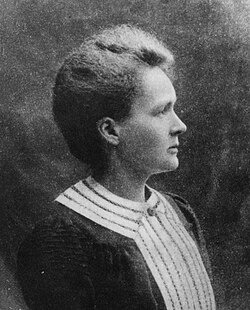
Marie Skłodowska Curie was a trailblazing physicist and chemist whose research fundamentally altered our understanding of the physical world. Born in Warsaw and later naturalized as a French citizen, she became the first person to win two Nobel Prizes in different scientific fields. Her relentless pursuit of knowledge led to the discovery of two new elements and the development of the theory of radioactivity—a term she coined to describe the emission of radiation from unstable atomic nuclei.
Key Facts
- Full Name: Maria Salomea Skłodowska Curie.
- Major Discoveries: The chemical elements polonium and radium.
- Nobel Prizes: Physics (1903) and Chemistry (1911).
- Education: University of Paris.
- Cause of Death: Aplastic anaemia, likely resulting from prolonged radiation exposure.
- Legacy: First woman to win a Nobel Prize and first person to win two.
Early Life and Education
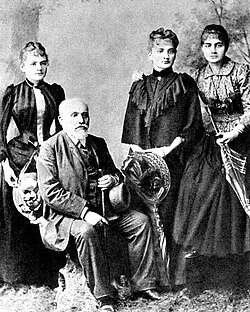
Born on November 7, 1867, in Warsaw, Congress Poland (then part of the Russian Empire), Maria Salomea Skłodowska grew up in a family that valued education. Her father, Władysław Skłodowski, encouraged her intellectual curiosity from a young age.
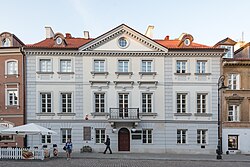
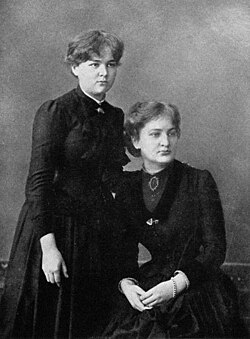
Despite the restrictions placed on women's education in Poland at the time, Maria pursued her studies with determination. She spent her early years balancing family responsibilities and clandestine learning, eventually moving to Paris in 1891 to enroll at the University of Paris.
Scientific Breakthroughs in Paris
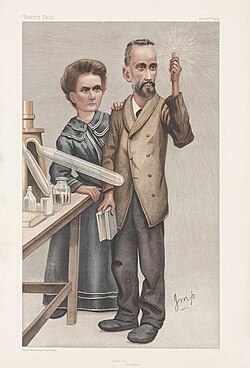
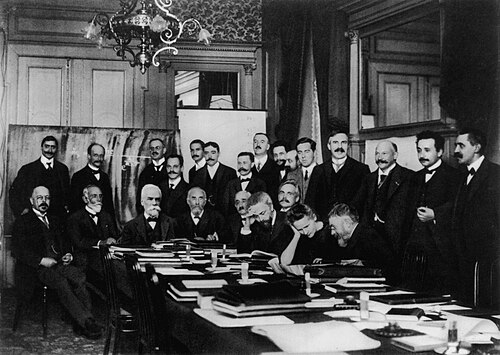
In Paris, Maria—now known as Marie—immersed herself in physics and mathematics. It was during this period that she met Pierre Curie, a fellow scientist who would become her husband and collaborator in 1895. Together, they embarked on a rigorous investigation into the "uranium rays" previously observed by Henri Becquerel.
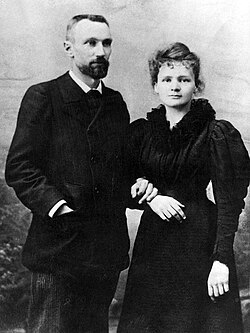
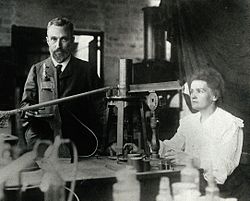
The Curies' research led to the groundbreaking discovery that radiation was an atomic property of the element, rather than a result of a chemical reaction. Through the painstaking processing of pitchblende, they isolated two new radioactive elements: polonium (named after Marie's native Poland) and radium.
The Nobel Prizes and Academic Recognition
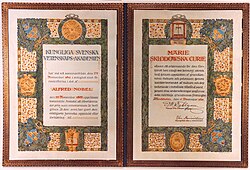
The scientific community quickly recognized the magnitude of their work. In 1903, Marie and Pierre Curie, along with Henri Becquerel, were awarded the Nobel Prize in Physics for their joint research on radioactivity phenomena. This made Marie the first woman to receive a Nobel Prize.
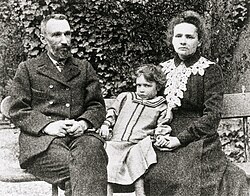
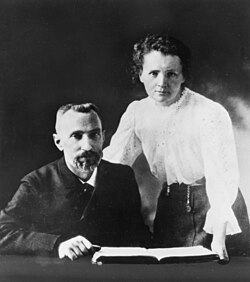
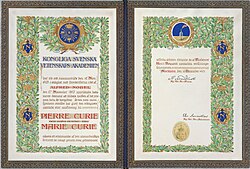
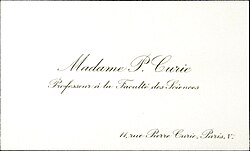
Following the tragic death of Pierre in 1906, Marie continued her research and took over his teaching position, becoming the first female professor at the University of Paris. In 1911, she was awarded a second Nobel Prize, this time in Chemistry, for the isolation of pure radium and the study of its nature and compounds.
Contributions During World War I and Later Years
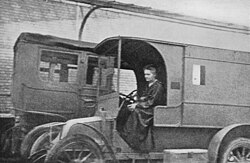
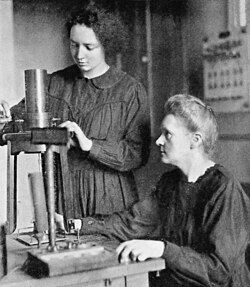
During World War I, Marie Curie applied her scientific expertise to the war effort. She developed mobile radiography units, known as "petites Curies," which allowed battlefield surgeons to use X-rays to locate shrapnel and fractures in wounded soldiers.
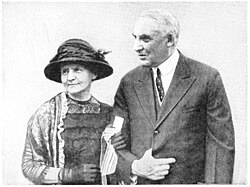
In the postwar years, she focused on the establishment of the Radium Institute (Institut du Radium) and continued to mentor a new generation of scientists, including her daughter, Irène Joliot-Curie. She also traveled internationally to promote scientific cooperation and secure funding for her research.
Death and Lasting Legacy
Marie Curie died on July 4, 1934, at the age of 66 in Passy, France. The cause of death was aplastic anaemia, a condition caused by the high levels of ionizing radiation she had been exposed to throughout her career.
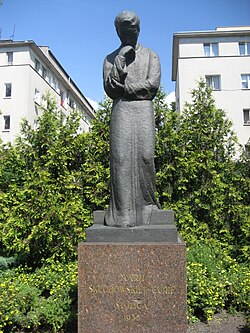
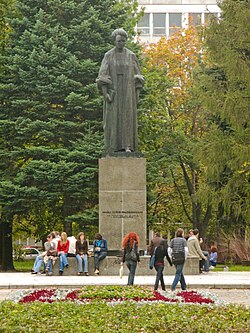
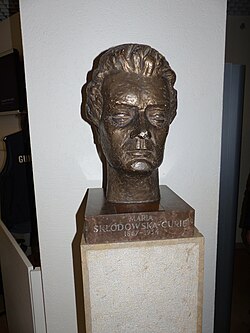
Her legacy persists not only in the elements she discovered but in the institutions and awards that bear her name. From the Maria Curie-Skłodowska University in Lublin to the research nuclear reactor Maria in Poland, her influence spans the globe.
| Category | Detail |
|---|---|
| Elements Discovered | Polonium, Radium |
| Nobel Prizes | Physics (1903), Chemistry (1911) |
| Key Contribution | Theory of Radioactivity |
| WWI Service | Mobile X-ray vehicles |
| Academic Firsts | First female professor at University of Paris |
Frequently Asked Questions
What elements did Marie Curie discover?
Marie Curie, working with her husband Pierre, discovered the elements polonium and radium.
Why did Marie Curie win two Nobel Prizes?
She won the 1903 Nobel Prize in Physics for her research on radioactivity and the 1911 Nobel Prize in Chemistry for isolating radium and studying its compounds.
How did Marie Curie contribute to World War I?
She developed mobile X-ray units to help surgeons treat wounded soldiers on the battlefield.
What caused Marie Curie's death?
She died of aplastic anaemia, which is attributed to her long-term exposure to radiation during her scientific research.
Was Marie Curie the first woman to win a Nobel Prize?
Yes, she was the first woman to win a Nobel Prize, and she remains the only person to win Nobel Prizes in two different scientific fields.