Linus Pauling: The Architect of Molecular Biology and Global Peace
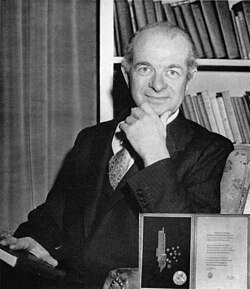
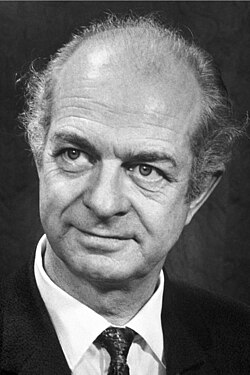
Linus Pauling was a towering figure in 20th-century science, whose intellectual curiosity spanned the microscopic world of quantum chemistry to the global scale of nuclear disarmament. He remains the only person in history to win two unshared Nobel Prizes, marking his extraordinary impact on both the scientific community and humanity at large.
From his early days in Oregon to his tenure at the California Institute of Technology (Caltech), Pauling redefined how we perceive the invisible forces that hold matter together. His work provided the foundational language for modern chemistry and biochemistry, bridging the gap between physics and biology.
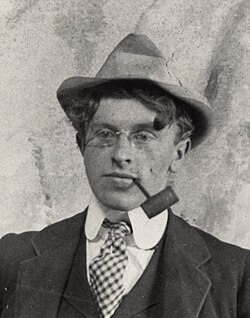
Early Life and Academic Foundation
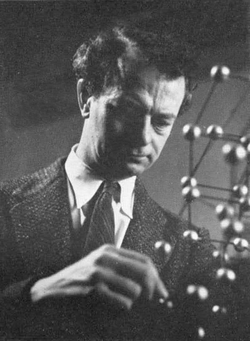
Born in 1901, Linus Carl Pauling pursued his undergraduate studies at Oregon State University, where he earned his Bachelor of Science in 1922. He later attended the California Institute of Technology, completing his PhD in 1925 with a thesis titled The Determination with X-Rays of the Structures of Crystals. During his formative years, he was influenced by some of the greatest minds of the era, including Niels Bohr and Arnold Sommerfeld.
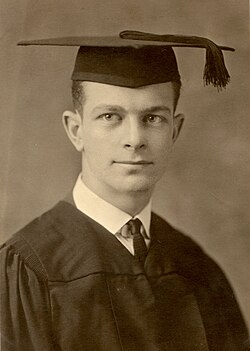
Revolutionizing Chemistry and Molecular Structure
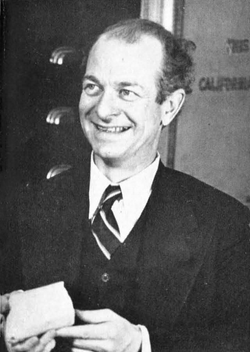
Pauling's primary contribution to science was his elucidation of the nature of the chemical bond. He developed valence bond theory, which explains how atoms share electrons to form molecules. He introduced the concept of hybridisation (the mixing of atomic orbitals to form new hybrid orbitals) and resonance (the idea that some molecules cannot be represented by a single structure but are a blend of several).
One of his most enduring legacies is the Pauling scale of electronegativity, a measure of how strongly an atom attracts electrons in a chemical bond. This scale remains a fundamental tool for chemists worldwide to predict the character of chemical bonds.
The Alpha Helix and Biological Molecules
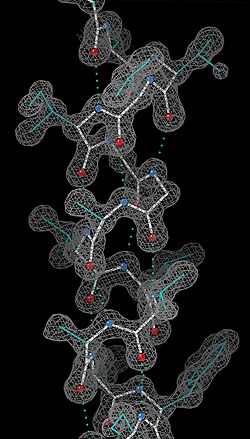
Pauling extended his chemical expertise into the realm of biology. He proposed the alpha helix, a coiled structure of proteins held together by hydrogen bonding (a weak attraction between a hydrogen atom and an electronegative atom). This discovery was a pivotal step toward understanding the three-dimensional architecture of proteins.
Molecular Medicine and Genetics
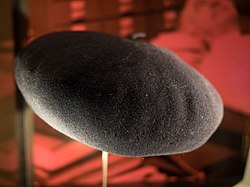
Pauling is credited with pioneering molecular medicine. In 1949, he identified that sickle cell anemia was a "molecular disease," caused by a structural change in the hemoglobin molecule. He also contributed to the development of the molecular clock, a technique used to estimate the time of evolutionary divergence between species.
Scientific Innovations and Instrumentation
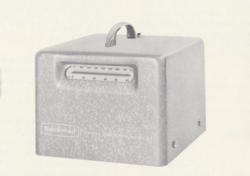
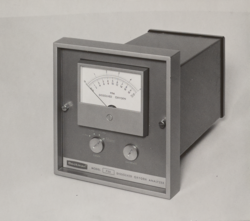
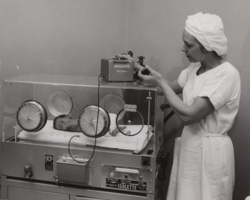
Beyond theoretical work, Pauling's influence extended to practical medical technology. He designed the Beckman D2 Oxygen Analyzer, a device used for breath gas analysis that significantly improved the diagnosis and treatment of respiratory conditions.
Activism and the Pursuit of Peace
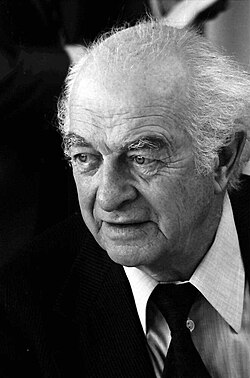
As the Cold War intensified, Pauling shifted much of his focus toward nuclear disarmament. He became a vocal critic of atmospheric nuclear testing, citing the dangers of radioactive fallout, specifically Strontium-90, which accumulates in human bones and teeth.
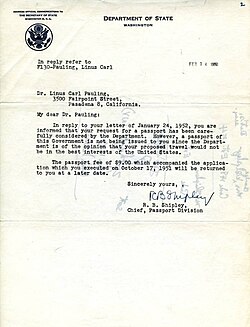
His activism often put him at odds with the United States government. In 1952, the Department of State denied him a passport, hindering his ability to attend international scientific conferences. Despite this, he continued to advocate for global peace and the elimination of nuclear weapons, leading to his receipt of the Nobel Peace Prize in 1962.
Later Years and Vitamin C Advocacy
In his later career, Pauling became a controversial figure due to his advocacy for Vitamin C megadosage. In his book How to Live Longer and Feel Better, he claimed that very high intakes of ascorbic acid could treat or prevent a wide range of ailments, including the common cold and cancer. While this sparked significant debate in the medical community, it reflected his lifelong commitment to applying chemical principles to human health.
![Pauling's book, How to Live Longer and Feel Better, advocated very high intake of Vitamin C.[136]](/images/3e/9d/3e9d52986549c83b3cbe909d434df4b00b7ce7667907438ac702785488b61ee2.jpg)
Key Facts
- Unique Achievement: The only person to win two unshared Nobel Prizes (Chemistry 1954, Peace 1962).
- Chemical Legacy: Developed the electronegativity scale and valence bond theory.
- Biological Breakthrough: Proposed the alpha helix structure of proteins.
- Medical Contribution: Identified sickle cell anemia as a molecular disease.
- Peace Advocacy: Campaigned against atmospheric nuclear testing.
- Education: BS from Oregon State University; PhD from Caltech.
Summary of Career and Honors
| Category | Details |
|---|---|
| Primary Fields | Quantum Chemistry, Biochemistry, Molecular Biology |
| Major Institutions | Caltech, UC San Diego, Stanford |
| Nobel Prizes | Chemistry (1954), Peace (1962) |
| Other Key Awards | Davy Medal, National Medal of Science, Priestley Medal, Lomonosov Gold Medal |
| Key Publications | No More War!, How to Live Longer and Feel Better |
Frequently Asked Questions
What makes Linus Pauling's Nobel Prizes unique?
Linus Pauling is the only individual to have won two Nobel Prizes that were not shared with other recipients. He won the Nobel Prize in Chemistry in 1954 and the Nobel Peace Prize in 1962.
What is the Pauling scale of electronegativity?
It is a numerical scale that measures the tendency of an atom to attract a bonding pair of electrons. This allows scientists to predict whether a bond will be ionic or covalent.
How did Pauling contribute to the study of proteins?
Pauling discovered the alpha helix, a key secondary structure of proteins, by applying his knowledge of chemical bonds and hydrogen bonding to biological molecules.
Why was Pauling a controversial figure in his later years?
He became known for advocating the use of extremely high doses of Vitamin C (megadosage) to treat various diseases, a claim that was not widely accepted by the mainstream medical establishment.
What was Pauling's role in the peace movement?
He was a leading advocate for nuclear disarmament, specifically fighting against the atmospheric testing of nuclear weapons due to the health risks associated with radioactive fallout.