Kim Dae-jung: The Architect of South Korean Democracy and Peace
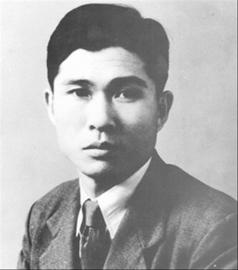
Kim Dae-jung (1924–2009) was a towering figure in global politics, serving as the 8th President of South Korea from 1998 to 2003. A lifelong activist and statesman, his journey from a persecuted political prisoner to a Nobel Peace Prize laureate mirrors the turbulent transition of South Korea from military dictatorship to a vibrant democracy.
Known for his unwavering commitment to human rights and his visionary approach to inter-Korean relations, Kim Dae-jung spent decades fighting against authoritarian rule, often at great personal risk. His legacy is defined by the Sunshine Policy, a strategic effort to engage North Korea through economic cooperation and diplomatic dialogue to reduce tensions on the peninsula.
Key Facts
- Presidency: Served as the 8th President of South Korea (1998–2003).
- Nobel Peace Prize: Awarded in 2000 for his efforts toward democracy and peace on the Korean Peninsula.
- Political Struggle: Survived assassination attempts, multiple imprisonments, and two periods of exile.
- Diplomatic Milestone: Orchestrated the first-ever inter-Korean summit in Pyongyang in June 2000.
- Education: Graduated from Mokpo Commercial High School.
Early Life and the Path to Politics
Born on January 8, 1924, in Hauido, Zenranan Province, Kim's early life was shaped by the Japanese occupation of Korea. During the later stages of World War II, his father altered his birth date to December 3, 1925, to help him avoid conscription into the Japanese military. This allowed Kim to find employment at a Japanese shipping company in Mokpo, where his employer's support helped him evade police surveillance.
Kim entered the political arena with a passion for democratic reform, eventually serving multiple terms in the National Assembly. However, his rise was met with fierce opposition from the ruling military regimes.
The Struggle Against Dictatorship
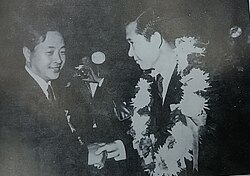
The 1970s and 80s were marked by severe persecution. Following an assassination attempt on May 25, 1971, Kim sought medical treatment in Japan. When the October Restoration established a military dictatorship under Park Chung-hee, Kim applied for asylum to avoid further persecution.
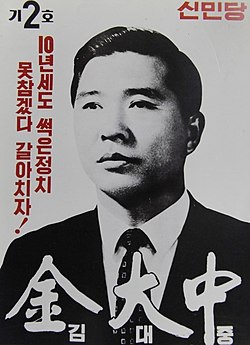
Between 1972 and 1985, Kim experienced two separate periods of exile. During his second exile in Washington, D.C., he utilized the American press to advocate for democracy. He also served as a visiting fellow at the Harvard Center for International Affairs. In 1985, alongside ally Kim Young-sam, he co-founded the New Democratic Party of Korea before returning home to participate in legislative elections.
The June Democracy Movement
By 1987, the demand for direct presidential elections reached a breaking point. Kim Dae-jung and other leaders petitioned for constitutional amendments. This pressure culminated in the June Democracy Movement, the largest democratic uprising in South Korean history. The movement forced the government to amend the constitution, allow direct elections, and grant Kim a pardon.
The Road to the Presidency
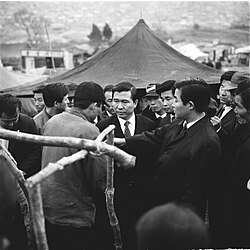
Kim's path to the Blue House was not linear. In the 1992 election, he faced intense campaigns of slander, including accusations of cooperating with communists and alleged links to North Korean spy Ri Son-sil. These tactics, combined with regional sentiments, led to his defeat.
After a brief withdrawal from politics, Kim returned in 1995 to revitalize the opposition. He formed the National Congress for New Politics, which became the largest opposition party. In December 1997, at age 73, Kim won the presidency with 40.3% of the popular vote, marking a historic victory for the liberal movement.
Presidency and Global Recognition
As president, Kim focused on economic recovery and the reconciliation of the two Koreas. His Sunshine Policy aimed to ease tensions through engagement rather than confrontation. This culminated in the June 2000 summit with Kim Jong-il in Pyongyang, resulting in the North-South Joint Declaration.
For these contributions to peace and democratization, Kim Dae-jung was awarded the Nobel Peace Prize in 2000. He also received the Philadelphia Liberty Medal in 1999.
Later Years and Legacy
After leaving office in 2003, Kim continued to advocate for reunification. In 2004, he was legally acquitted of a death sentence handed down 23 years prior during the "Kim Dae-jung internal strife conspiracy incident," and the government paid him reparations for his wrongful imprisonment.
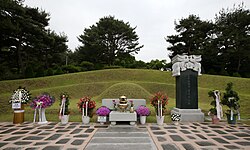
Kim's health declined in his final years, requiring kidney hemodialysis and treatment for pulmonary edema. He passed away on August 18, 2009, at the age of 85.
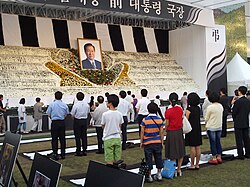
Today, he is remembered as a pioneer of reconciliation. His autobiography, published posthumously in 2010, became a bestseller, reflecting the deep impact he had on the South Korean psyche.
| Period/Year | Role/Event | Key Outcome |
|---|---|---|
| 1961–1992 | Member of National Assembly | Represented various constituencies including Mokpo |
| 1972–1985 | Political Exile | Advocated for democracy from Japan and USA |
| 1987 | June Democracy Movement | Forced transition to direct presidential elections |
| 1998–2003 | 8th President of South Korea | Implemented the Sunshine Policy |
| 2000 | Nobel Peace Prize | Recognized for peace and democratization |
Frequently Asked Questions
What was the Sunshine Policy?
The Sunshine Policy was a diplomatic framework implemented by President Kim Dae-jung to improve relations with North Korea through economic aid, cultural exchange, and engagement to encourage peaceful reunification.
Why was Kim Dae-jung awarded the Nobel Peace Prize?
He received the prize in 2000 for his lifelong commitment to democracy and his efforts to achieve a peaceful coexistence and reconciliation between North and South Korea.
How did Kim Dae-jung survive the military dictatorships?
Kim survived through a combination of political resilience, periods of exile in Japan and the United States, and the support of international human rights organizations and the American press.
What was the significance of the 2000 Inter-Korean Summit?
It was the first time in history that the leaders of North and South Korea met face-to-face, leading to the North-South Joint Declaration and a temporary easing of Cold War tensions on the peninsula.
Who succeeded Kim Dae-jung as President?
Kim Dae-jung was succeeded by Roh Moo-hyun, who took office on February 25, 2003.