Nobel Prize: History, Selection Process, and Global Impact
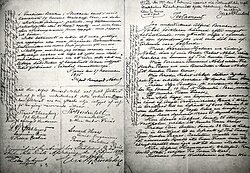
The Nobel Prize stands as one of the most prestigious honors in the world, recognizing individuals and organizations whose contributions have conferred the greatest benefit to humankind. Established by the will of Alfred Nobel, these prizes celebrate excellence across diverse fields, from the rigorous depths of physics and chemistry to the nuanced realms of literature and global peace.
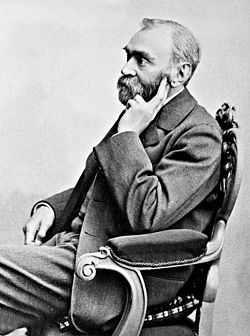
Legend suggests that Alfred Nobel was inspired to create the prizes after reading a premature obituary of himself in a French newspaper, which titled him "The Merchant of Death Is Dead." Seeking a more positive legacy, Nobel dedicated the vast majority of his wealth to the pursuit of human progress.
Key Facts
- Founder: Alfred Nobel, who allocated 94% of his assets to establish the prizes.
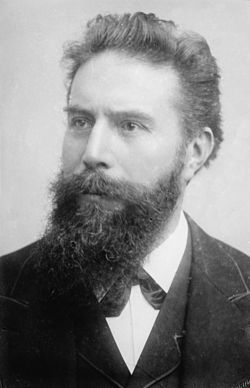
- Categories: Physics, Chemistry, Physiology or Medicine, Literature, Peace, and Economic Sciences.
- First Awarded: December 10, 1901.
- Total Laureates: 627 prizes awarded to 1,012 individuals and organizations (as of 2024).
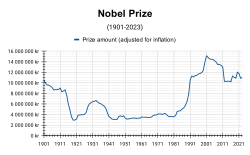
- Rewards: A gold-plated green gold medal, a diploma, and a monetary award (approximately 11 million SEK or US$1.035 million as of 2023).
The Nobel Foundation and Awarding Bodies
The prizes are managed by the Nobel Foundation, but the selection and presentation are handled by specific institutions based on the category. While most prizes are awarded in Sweden, the Peace Prize is a distinct exception awarded in Norway.
Awarding Institutions
- Royal Swedish Academy of Sciences: Responsible for Physics, Chemistry, and Economic Sciences.
- Nobel Assembly at the Karolinska Institute: Responsible for Physiology or Medicine.
- Swedish Academy: Responsible for Literature.
- Norwegian Nobel Committee: Responsible for the Peace Prize.
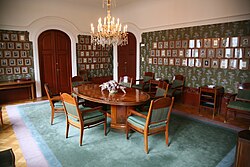
The Selection Process and Traditions
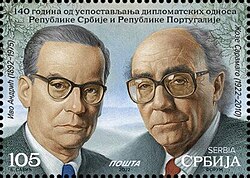
The journey to becoming a Nobel laureate involves a rigorous process of nominations and selection. While the specific details of nominations are kept confidential for many years, the final decision is made by the respective awarding bodies.
The Nobel Banquet and Lecture
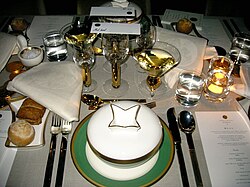
The celebration of the laureates culminates in the Nobel Banquet in Stockholm, a grand event where winners gather to celebrate their achievements. Additionally, laureates are expected to deliver a Nobel lecture, providing deeper insight into the work that earned them the honor.
Recognition and Rewards
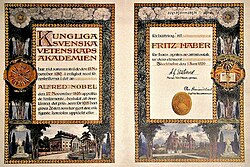
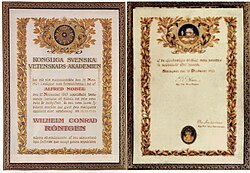
Beyond the monetary prize, laureates receive a heavily decorated diploma and a gold medal. These items serve as permanent symbols of their contribution to human knowledge and peace.
Statistics and Notable Laureates
Over the last century, the Nobel Prizes have tracked the evolution of human discovery. Some individuals have achieved the rare feat of winning multiple prizes, while others have become symbols of persistence in their fields.
| Category | Presenting Body | Location |
|---|---|---|
| Physics | Royal Swedish Academy of Sciences | Sweden |
| Chemistry | Royal Swedish Academy of Sciences | Sweden |
| Physiology or Medicine | Nobel Assembly at the Karolinska Institute | Sweden |
| Literature | Swedish Academy | Sweden |
| Peace | Norwegian Nobel Committee | Norway |
| Economic Sciences | Royal Swedish Academy of Sciences | Sweden |
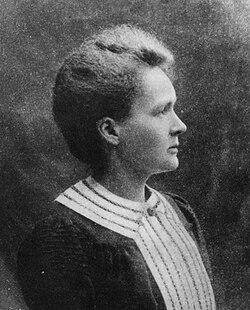
Marie Skłodowska-Curie remains one of the most distinguished figures in the history of the prize, being one of only five people to receive the award twice, spanning two different disciplines: Physics and Chemistry.
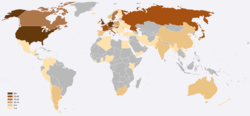
The distribution of prizes has also evolved globally, reflecting the shifting centers of scientific and literary achievement.
Controversies and Omissions
Despite its prestige, the Nobel Prize has not been without controversy. Critics have pointed to a historical gender imbalance and a perceived Eurocentric bias, particularly in the Literature category.
Controversial Awards and Refusals
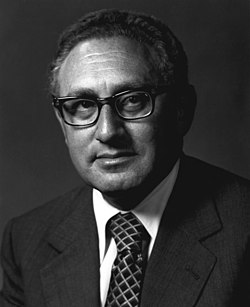
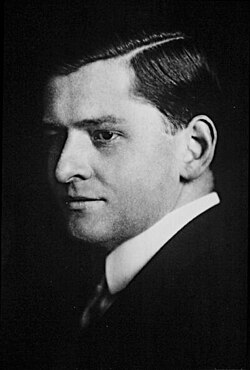
Some awards have sparked significant backlash. For instance, the 1973 Peace Prize awarded to Henry Kissinger led to the resignation of two Norwegian Nobel Committee members in protest. In other cases, laureates have been forced to decline their prizes due to political constraints, such as Richard Kuhn in Chemistry.
The "Missing" Laureates
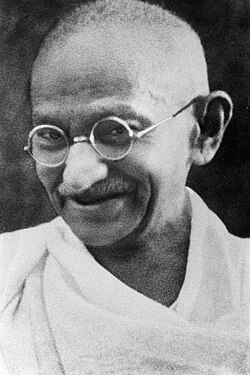
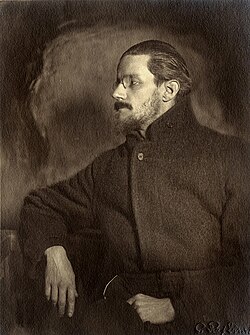
The prize is often discussed in terms of who did not receive it. Mohandas Gandhi, despite being nominated five times, was never awarded the Peace Prize. Similarly, literary giants like James Joyce are often cited as notable omissions.
Frequently Asked Questions
Why is the Peace Prize awarded in Norway instead of Sweden?
This arrangement was specified in Alfred Nobel's will, which designated the Norwegian Nobel Committee as the body responsible for selecting the Peace Prize laureate.
Can a person receive a Nobel Prize posthumously?
Generally, the prize is not awarded posthumously. However, there are rare exceptions where a laureate may remain a laureate if the announcement was made before their death.
What is the "Nobel Prize effect"?
The Nobel Prize effect refers to observations regarding the potential adverse effects that receiving such a high-profile award can have on a laureate's subsequent work or psychological well-being.
How is the prize money determined?
The prize money is funded by the returns on the capital invested by the Nobel Foundation. The amount is adjusted periodically; as of 2023, it is approximately 11 million SEK.
Who is the only person to receive more than one unshared Nobel Prize?
While several people have won multiple prizes, the records track specific distinctions regarding shared versus unshared awards and those winning in different disciplines.