Mandatory Palestine: The British Administration from 1920 to 1948
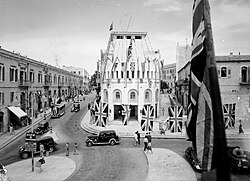
Mandatory Palestine was a geopolitical entity administered by the United Kingdom between 1920 and 1948. Established as a Class A mandate under the League of Nations, this territory was managed by the British Colonial Office through a High Commissioner based in Jerusalem. The era was defined by complex demographic shifts, competing national aspirations, and a transition from Ottoman rule to the eventual establishment of new sovereign states.
The British officially assumed control on September 29, 1923, following the initial assignment of the mandate on April 25, 1920. During this period, the region served as a focal point for both Palestinian Arab national aspirations and the Zionist movement's goal of establishing a Jewish national home.
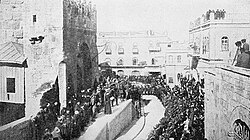
Key Facts
- Duration: 1920 to May 14, 1948.
- Administrative Status: Class A League of Nations mandate.
- Capital: Jerusalem.
- Official Languages: Arabic, English, and Hebrew.
- First High Commissioner: Sir Herbert L. Samuel (1920–1925).
- Last High Commissioner: Sir Alan Cunningham (1945–1948).
- Currency: Egyptian pound (until 1927), followed by the Palestine pound.
Historical Progression and Conflict
The 1920s and 1930s
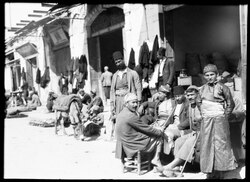
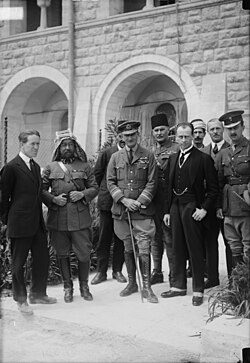
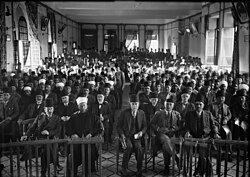
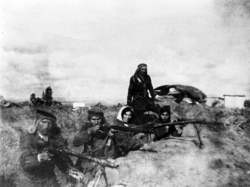
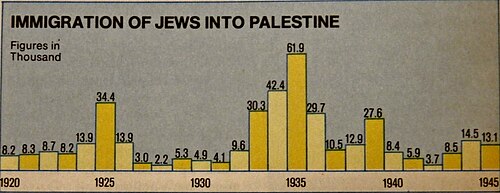
The early years of the mandate saw the arrival of key British officials and the establishment of administrative structures. However, tensions rose as Jewish immigration increased and land ownership patterns shifted. By the 1930s, these tensions culminated in the Arab revolt, an armed insurgency against British rule and Zionist settlement.
The Second World War Era
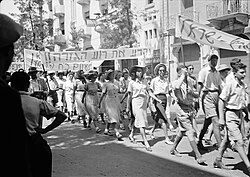
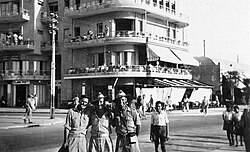
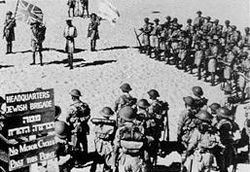
During World War II, the region was strategically vital. The British implemented immigration quotas, which became a point of contention during the Holocaust as Jewish refugees sought entry. This period also saw the rise of Zionist insurgency against British restrictions, particularly following the 1939 White Paper.
Termination of the Mandate
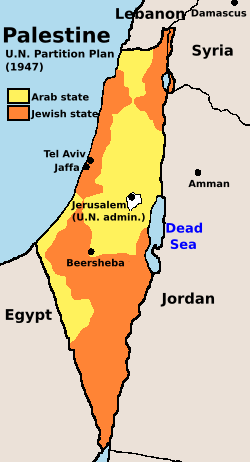
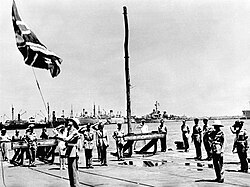
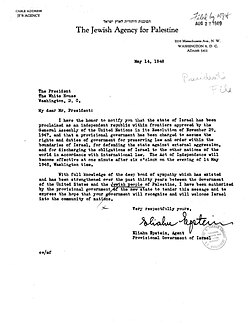
Following the war, the British government found the mandate increasingly ungovernable. The United Nations proposed a Partition Plan (Resolution 181) in November 1947 to divide the territory. The mandate officially ended on May 14, 1948, leading to the proclamation of the State of Israel and the subsequent Jordanian annexation of the West Bank.
![Jewish State ship, one of several Haganah ships that carried Jewish immigrants from Europe, mostly illegal, at the Haifa Port, Mandatory Palestine, 1947[70]](/images/d6/94/d694229a97395abd6425edbc5838e2d385008b6fffc624abc6ff6956ec8c8ad9.jpg)
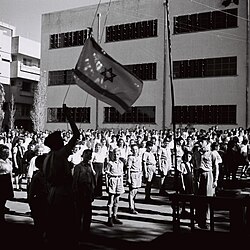
Demographics and Land Ownership
The population of Mandatory Palestine grew significantly between 1922 and 1945. While the Muslim community remained the largest group, the Jewish population experienced the highest growth rate due to immigration.
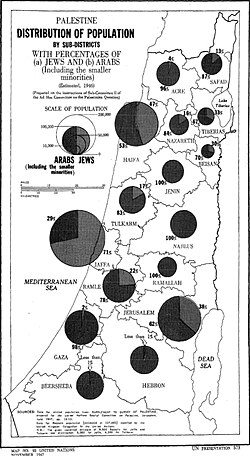
Population Statistics (1922–1945)
| Year | Total Population | Muslim | Jewish | Christian | Other |
|---|---|---|---|---|---|
| 1922 | 752,048 | 589,177 (78%) | 83,790 (11%) | 71,464 (10%) | 7,617 (1%) |
| 1931 | 1,036,339 | 761,922 (74%) | 175,138 (17%) | 89,134 (9%) | 10,145 (1%) |
| 1945 | 1,764,520 | 1,061,270 (60%) | 553,600 (31%) | 135,550 (8%) | 14,100 (1%) |
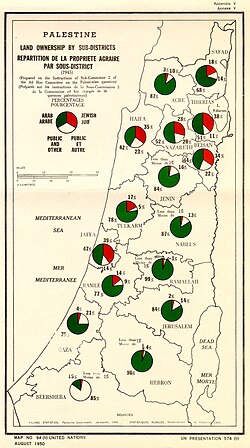
Land Distribution
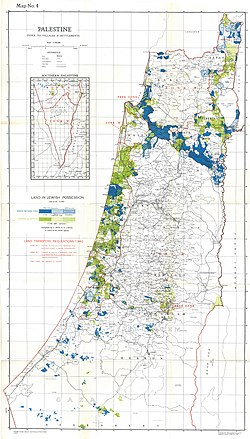
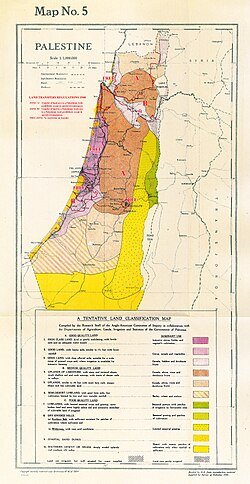
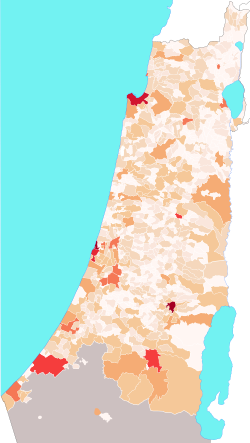
Land ownership was a central point of conflict. By 1945, ownership varied wildly by district. For example, in the Hebron and Ramallah sub-districts, Arab ownership was nearly 96-99%, while in Jaffa, Jewish ownership reached 39%.
Governance and Society
The British administration utilized a mix of direct rule and community-based parliamentary bodies, such as the Supreme Muslim Council and the Assembly of Representatives for the Jewish community. The legal framework was supported by various ordinances, including the Land Transfer Ordinance of 1920 and the Land Settlement Ordinance of 1928.
![The Palestinian Arab Christian-owned Falastin newspaper featuring a caricature on its 18 June 1936 edition showing Zionism as a crocodile under the protection of a British officer telling Palestinian Arabs: "don't be afraid!!! I will swallow you peacefully...."[141]](/images/10/fa/10faa347a9cf37e6266ef5c3192821f9cb0c95acb7082f0c9bdafa62c3ee9a66.png)
Frequently Asked Questions
What was the purpose of the British Mandate for Palestine?
The mandate was a legal commission granted by the League of Nations to the United Kingdom to administer the territory, with the goal of managing the region's transition toward independence while facilitating the establishment of a Jewish national home.
Who were the primary administrative leaders?
The territory was led by a British High Commissioner. Sir Herbert Samuel was the first to hold the position (1920–1925), and Sir Alan Cunningham was the final High Commissioner (1945–1948).
How did the population change during the mandate?
The population grew from approximately 752,000 in 1922 to over 1.7 million by 1945. The Jewish population grew most rapidly, increasing from 11% of the population in 1922 to 31% by 1945.
What was the UN Partition Plan?
The UN Partition Plan, adopted via Resolution 181 in November 1947, proposed dividing Mandatory Palestine into independent Arab and Jewish states, with Jerusalem under an international regime.
When did the British Mandate officially end?
The British Mandate officially terminated on May 14, 1948, coinciding with the proclamation of the State of Israel.