Manchu People: History, Culture, and the Legacy of the Qing Dynasty
The Manchu people are a Tungusic ethnic group with a profound historical legacy that shaped the course of East Asian history. Most famously known for establishing the Qing dynasty, the Manchus transitioned from regional tribes to the rulers of a vast empire that once encompassed much of modern-day China. Today, the Manchu people represent a unique cultural thread within the diverse tapestry of China and beyond.
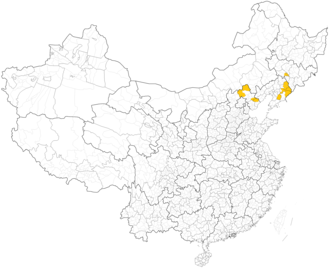
Key Facts
- Total Population: Approximately 10.68 million people.
- Primary Regions: Concentrated heavily in Northeast China, particularly in Liaoning, Hebei, and Jilin.
- Languages: Mandarin Chinese and the Manchu language.
- Religions: Manchu shamanism, Buddhism, Chinese folk religion, and Christianity.
- Historical Significance: Founders of the Qing dynasty.
Historical Origins and the Rise of Empire
The roots of the Manchu people are tied to the broader history of Tungusic peoples. Their lineage traces through various historical stages, including connections to the Liao and Yuan dynasties, eventually coalescing into the distinct identity that would challenge the Ming dynasty. The rise of leaders like Nurhaci paved the way for the establishment of a powerful state that would eventually govern China.
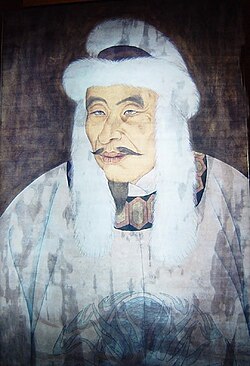
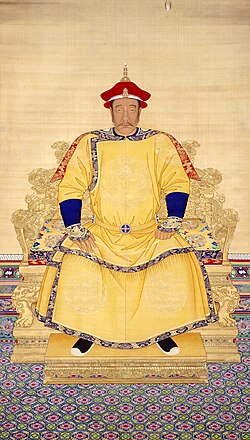
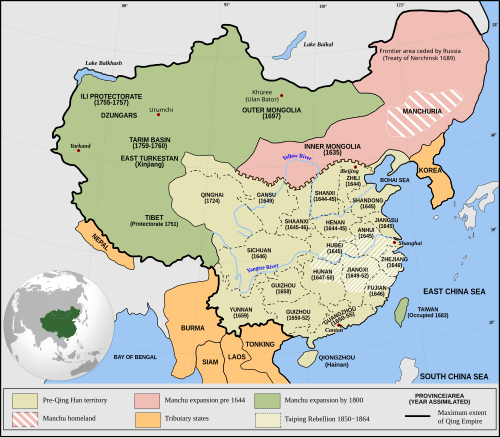
Under Manchu rule, the empire reached significant heights of administrative and territorial complexity. The Eight Banners system served as a foundational social and military organization, defining the identity and structure of Manchu society during the imperial era.
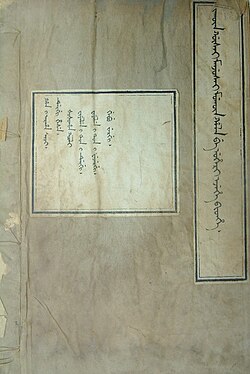
Manchu Culture and Lifestyle
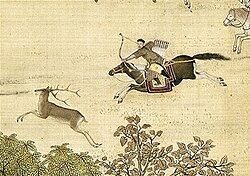
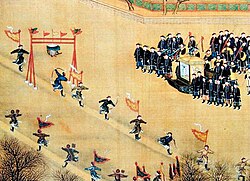
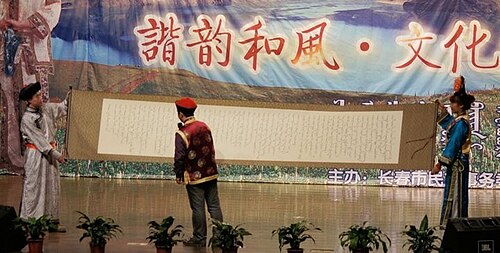
Manchu culture is characterized by a rich array of traditions, ranging from martial arts to unique performing arts. Historically, activities such as riding, archery, wrestling, and falconry were central to the Manchu way of life. These skills were not merely for survival but were deeply integrated into social and ceremonial life.
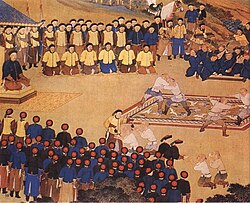
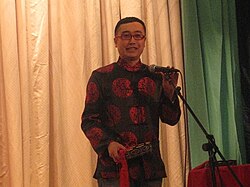
Traditional entertainment also played a vital role. This included ice skating, which was a popular pastime, and various musical performances. The octagonal drum and the art of ulabun (Manchu singing) are examples of the distinct artistic expressions preserved within the community.
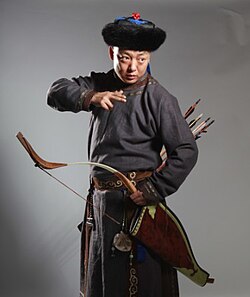
Traditional Attire and Social Coexistence
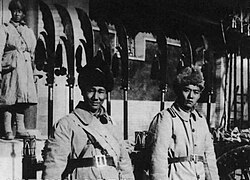
During the Qing dynasty, clothing served as a significant marker of identity. While Manchu garments were distinct, there was a period of coexistence and interaction with Han Chinese styles. This cultural exchange is visible in the historical records of clothing worn by both the imperial court and the general population.
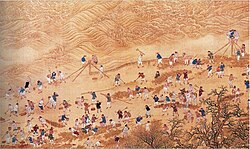
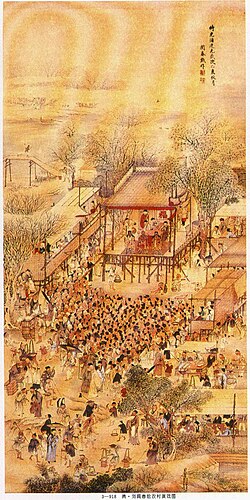
![Han Chinese general Zhang Zhiyuan in Qing military attire.[194]: 149](/images/07/4e/074e861f3795c55bab9d1b2a66bf5b08b3c95f29ec49ed81e411352905149f86.jpg)
Demographics and Modern Distribution
In the modern era, the Manchu population is primarily located in Mainland China, with smaller communities in Taiwan and Hong Kong. The highest concentrations are found in the Northeast region, which remains the cultural heartland for the ethnic group.

| Region | Total Population | Manchu Population | Percentage of Manchu Population |
|---|---|---|---|
| Total (All Regions) | 1,335,110,869 | 10,410,585 | 100% |
| Northeast | 109,513,129 | 6,951,280 | 66.77% |
| North | 164,823,663 | 3,002,873 | 28.84% |
| East | 392,862,229 | 122,861 | 1.18% |
The distribution shows that while the Manchu people are spread across various provinces, the vast majority reside in the Northeast, with Liaoning province holding the largest single concentration of the population.
Frequently Asked Questions
What is the primary language spoken by the Manchu people?
While many Manchu people speak Mandarin Chinese, the Manchu language remains a vital part of their cultural heritage and is used in specific linguistic and academic contexts.
Where do most Manchu people live today?
The majority of the Manchu population lives in Mainland China, specifically in the Northeast provinces such as Liaoning, Jilin, and Heilongjiang.
What are the traditional religions of the Manchu?
Manchu spiritual life has historically included Manchu shamanism, Buddhism, Chinese folk religion, and Christianity.
How did the Manchu influence Chinese history?
The Manchu people established the Qing dynasty, which was the last imperial dynasty of China, significantly impacting the country's borders, administration, and social structure.
What is the significance of the Eight Banners?
The Eight Banners was a military and social organization system that was central to the Manchu identity and the governance of the Qing empire.